(found_by_Jean_NICOLAS)_(34844955103).jpg&width=800)





Moorish Gecko
Tarentola mauritanica
The Moorish Gecko is a small lizard that loves to climb walls and hide in cracks. They have cool patterns on their skin that help them blend in with their surroundings.
Habitat: Urban areas
The Moorish Gecko has a flattened body covered in warty tubercles, giving it a rugged appearance. Its large, lidless eyes are often golden, and its toes have broad lamellae. They typically display drab colors like grey or brown, often with darker bands.
Category
ReptilesRarity
Common
Danger
1/5 · Very low
Snaps
Be the first to snap!
Ancient Romans believed finding a Moorish Gecko brought good luck to their homes!
Moorish Geckos can grow back their tails if they lose them, sometimes even growing two!
These tough geckos can live in very hot places, tolerating temperatures up to 40°C!
They don't have eyelids, so Moorish Geckos lick their eyes clean with their tongues!
Moorish Geckos can cling to smooth walls and ceilings because of microscopic hairs on their toes, which helps them hunt insects in tricky spots.
Moorish Geckos can drop their tail if caught by a predator, because the wiggling tail distracts the attacker, allowing the gecko to flee.
Moorish Geckos have excellent night vision thanks to their large eyes and specialized pupils, which helps them hunt in the dark.
Moorish Geckos are insectivores, eating a variety of small creepy crawlies they find at night.
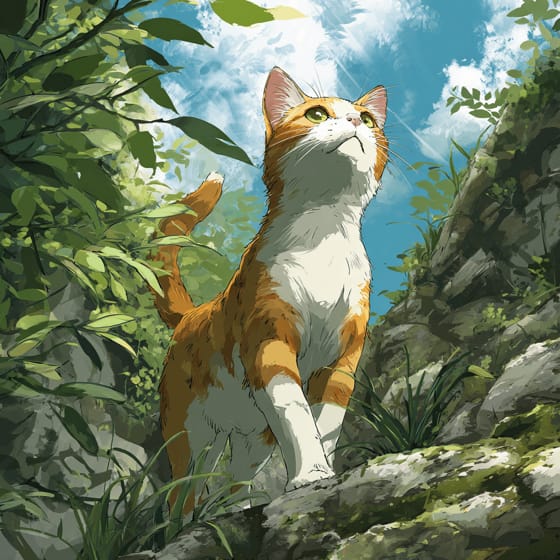
Felis catus
Common predator in urban and rural areas.
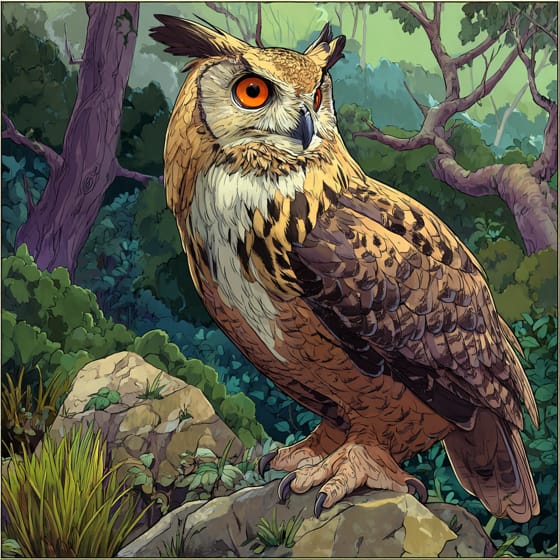
Bubo bubo
Large nocturnal bird of prey.
Malpolon monspessulanus
Predator in its native Mediterranean range.
Climbing or vine plants are characterized by a growth habit that allows them to ascend upwards by twining, tendrils, or adhesive roots.
Marked with spots or patches of a different color.
Solitary animals live alone for most of their lives, only interacting with others for mating or parental care.
Camouflaged describes organisms that possess coloring or patterns that allow them to blend into their environment.

This trait identifies organisms whose diet primarily consists of insects and other small invertebrates.

This habitat trait indicates species that can coexist with humans in urban and suburban environments, utilizing man-made structures and green spaces.

Nocturnal animals are primarily active during the nighttime hours, typically resting or sleeping during the day.
No aliases listed yet.
Danger
1/5 · Very low
If you see a gecko, watch it from a distance and don't try to catch it.
The easiest way to identify Moorish Gecko is to use the Snappit nature identifier app.
8-16 cm
0.005-0.03 kg
5-10 years
2 km/h
Moorish Geckos are insectivores, eating a variety of small creepy crawlies they find at night.
Urban areas
Ambush
Zoom in to split clusters and explore where this object has been snapped.
Recent snaps will appear here as new observations are added.
Take the discovery with you
Snap it with Snappit to identify it, learn what makes it special, and add the discovery to your collection.