


Moses-in-the-cradle
Tradescantia spathacea
Moses-in-the-cradle is a beautiful plant with green leaves and purple flowers. It loves to grow in warm places and can be found in many gardens and homes.
Habitat: Urban areas
The Moses-in-the-cradle has striking, sword-shaped leaves that are dark green on top and vibrant purple underneath. Its small, white or pinkish flowers are nestled within unique boat-shaped purple bracts, resembling tiny cradles.
Category
PlantsRarity
Common
Danger
1/5 · Very low
Snaps
1
Its purple sap was once used as a natural dye for cloth!
More sunlight makes its leaves turn an even brighter, richer purple color!
New plants can sprout easily from just a leaf or stem cutting!
Some call it 'oyster plant' because its flower bracts look like tiny shells!
Its purple leaf undersides contain pigments that protect the plant from too much intense sunlight.
The unique boat-shaped bracts act like a cradle, protecting its tiny, delicate flowers as they grow.
Apis mellifera
Bees visit its small, hidden flowers for nectar.

Helix aspersa
Snails sometimes munch on its succulent leaves.
Tetranychus urticae
Tiny mites can sometimes feed on its leaves.
Flowering plants are any plants that produce flowers as part of their reproductive cycle.
Ornamental plants are cultivated primarily for their aesthetic appeal, enhancing landscapes and gardens with their attractive foliage, flowers, or form.
Shade tolerant plants are adapted to grow and thrive in areas with low light levels, requiring less direct sunlight.
Evergreen plants retain their foliage throughout the year, never shedding all their leaves at once.
Colorful describes organisms or objects displaying a wide range of bright and distinct colors.
Rapid growing plants exhibit accelerated growth rates, quickly increasing in size and biomass within a short period.
This habitat trait indicates species that can coexist with humans in urban and suburban environments, utilizing man-made structures and green spaces.
Danger
1/5 · Very low
Always wash your hands after touching plants, just in case.
Start with the whole plant, then compare leaf arrangement, leaf edges, stems and any flowers or fruit. Opposite leaves grow in pairs; alternate leaves come one at a time along the stem. These details tell you far more together than a single green leaf does. Plant Identifier: upload a photo and compare the visible details.
15-30 cm
15-30 cm
1-2 cm
Year-round
No
Mild
Perennial
Zoom in to split clusters and explore where this object has been snapped.

Hawaii, US
You might spot Gold Dust Day Gecko, Yellow Tang, and Saffron Finch.
View guide →
Florida, US
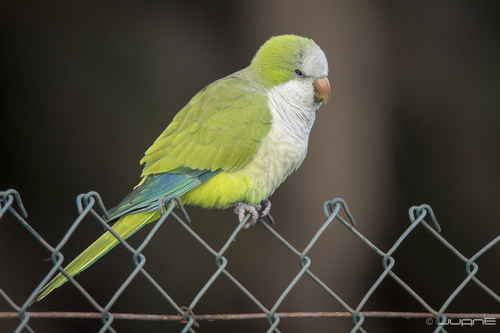
You might spot Monk Parakeet, Peters's Rock Agama, and Brown Pelican.
View guide →
Take the discovery with you
Snap it with Snappit to identify it, learn what makes it special, and add the discovery to your collection.