





Mosses
bryophyta
Mosses are tiny green plants that love to grow in damp, shady places. They create soft carpets on the ground, making nature feel cozy and inviting!
Habitat: Mosses typically live in forests, on rocks, and in moist, shady areas.
The Mosses is a group of small, soft, green plants that grow in dense, cushion-like mats or carpets. Lacking true roots and flowers, they often have tiny, leafy stems, giving them a fuzzy, velvety texture that can range from bright emerald to deep forest green.
Category
PlantsRarity
Common
Danger
0/5 · No known danger
Snaps
Be the first to snap!
Instead of flowers or seeds, mosses reproduce by releasing tiny, dust-like spores into the wind!
Mosses are incredibly ancient, having thrived on Earth for over 450 million years!
Mosses don't have true roots; they use tiny threads called rhizoids just to anchor themselves!
Some mosses, especially in cold places, can create giant carpets that spread for miles!
Mosses can absorb and hold huge amounts of water (up to 20 times their weight!), which helps them survive dry spells.
Mosses are often the first plants to grow on bare rocks, slowly breaking them down and creating new soil for other plants.
Mosses grow in dense carpets, providing shelter and a humid mini-world for countless microscopic creatures like tardigrades.
Isotoma viridis
Lives and feeds among moss carpets.
Hypsibius dujardini
Tiny water bears thrive in moss water films.
Cepaea nemoralis
Snails and slugs can feed on moss patches.
Colorful describes organisms or objects displaying a wide range of bright and distinct colors.
This trait characterizes organisms whose diet consists entirely or primarily of plant material.
Describes organisms that break down dead organic material, recycling nutrients back into the ecosystem.
Forest habitats are terrestrial environments dominated by dense tree cover, supporting a high diversity of plant and animal life.
Danger
0/5 · No known danger
No special safety notes yet.
The easiest way to identify Mosses is to use the Snappit nature identifier app.
0.5-10 cm
No
None
Perennial
Mosses typically live in forests, on rocks, and in moist, shady areas.
Zoom in to split clusters and explore where this object has been snapped.
Recent snaps will appear here as new observations are added.
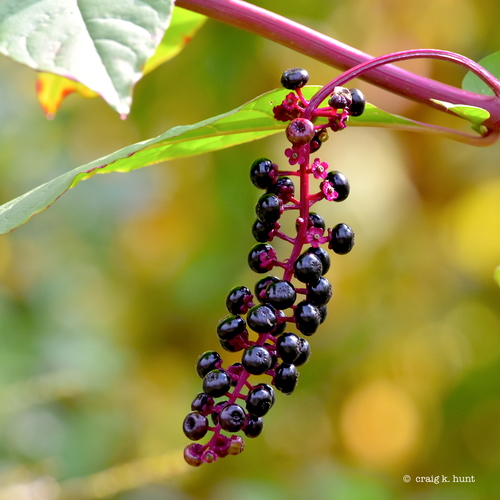
Maryland, US
You might spot American Pokeweed, Goldenrods, and Common Hackberry.
View guide →
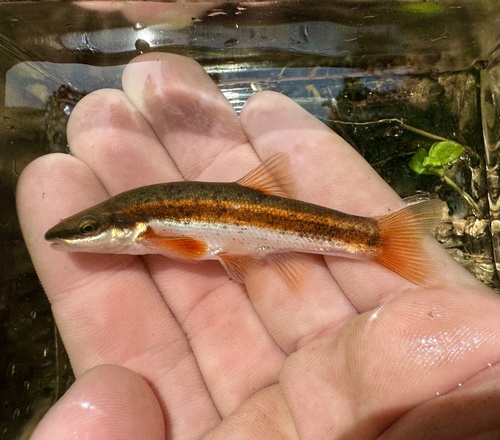
Virginia, US
You might spot Eastern Blacknose Dace and Common Jewelweed.
View guide →

Virginia, US
You might spot Spotted Lanternfly and Eastern Poison Ivy.
View guide →

Andalusia, ES
You might spot Omocestus Bolivari, Veronica Hederifolia, and Scots Pine.
View guide →
Take the discovery with you
Snap it with Snappit to identify it, learn what makes it special, and add the discovery to your collection.








.jpg&width=800)



_001.jpg&width=800)




