





Chinese quince
Chaenomeles speciosa
The Chinese quince is a lovely shrub with bright flowers that bloom in spring. It produces small, yellow fruits that can be used to make tasty jams and jellies!
Habitat: Urban areas
The Chinese quince is a deciduous shrub known for its showy, cup-shaped flowers, which bloom in early spring in shades of vibrant red, pink, or white. Its branches are often gnarled, and it produces large, fragrant yellow-green fruits in autumn.
Category
PlantsRarity
Common
Danger
2/5 · Low
Snaps
2
Chinese quince can live for hundreds of years, becoming a treasured, majestic bonsai tree.
Its fruit, though hard, is so fragrant it's used as a natural air freshener for homes!
Sometimes called 'flowering quince', its spectacular blooms arrive even before its leaves!
The bark of older trees peels in attractive flakes, revealing a mottled, artistic pattern beneath.
Chinese quince can burst into bloom in very early spring, providing vital nectar for hungry pollinators when other food sources are scarce.
Chinese quince has a robust and adaptable root system that helps it thrive in various soil types and tolerate dry conditions.
Chinese quince produces large, sweet-smelling fruits that attract animals to help disperse its precious seeds far and wide.
Apis mellifera
Main pollinator for its early spring flowers
Bombus terrestris
Visits early blooms for nectar and pollen
Smerinthus ocellata
Its caterpillars feed on quince leaves
Deciduous plants periodically shed all their leaves, typically during autumn or dry seasons.
Flowering plants are any plants that produce flowers as part of their reproductive cycle.
A shrub is a woody plant smaller than a tree, typically with multiple stems branching from or near the ground.
Spring blooming plants produce their flowers during the spring season, often signifying the end of winter and the start of new growth.

Fragrant flowers emit a pleasant aroma, often to attract pollinators or for defense.

Fruit-bearing plants produce fruits, which are the mature ovaries of flowering plants containing seeds.

Pertaining to plants that have stems covered with sharp, pointed projections for defense.

Edible plants are those parts of a plant that are considered safe for human consumption.

Describes plants that are particularly attractive and beneficial to a wide range of pollinating organisms.

Domesticated refers to species that have been selectively bred and tamed by humans for specific purposes.

This habitat trait indicates species that can coexist with humans in urban and suburban environments, utilizing man-made structures and green spaces.
No aliases listed yet.
Danger
2/5 · Low
Be careful around the thorns on the branches; they can be sharp!
The easiest way to identify Chinese quince is to use the Snappit nature identifier app.
300-600 cm
300-600 cm
3-5 cm
Early spring
Yes
Mild
Perennial
Zoom in to split clusters and explore where this object has been snapped.

North Carolina, US
You might spot American Robin and Eastern Gray Squirrel.
View guide →
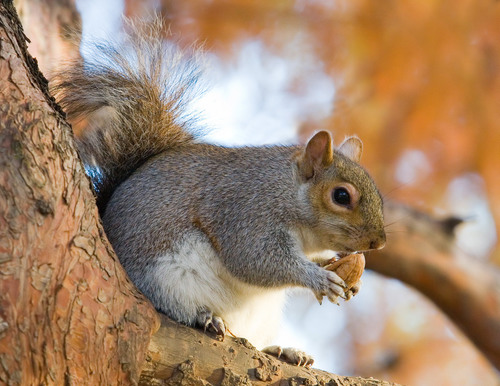
Georgia, US
You might spot Eastern Gray Squirrel, Domestic Cat, and American Robin.
View guide →

Georgia, US
You might spot Eastern Gray Squirrel, Domestic Cat, and American Robin.
View guide →
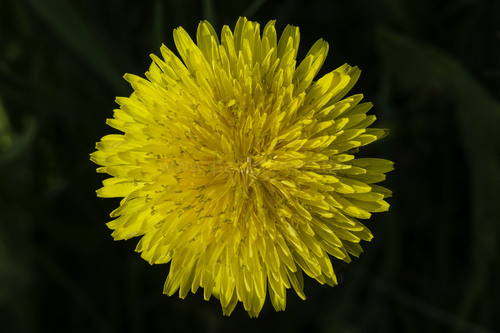
Colorado, US
You might spot Common Dandelion, Apples and Crabapples, and Dwarf Mallow.
View guide →
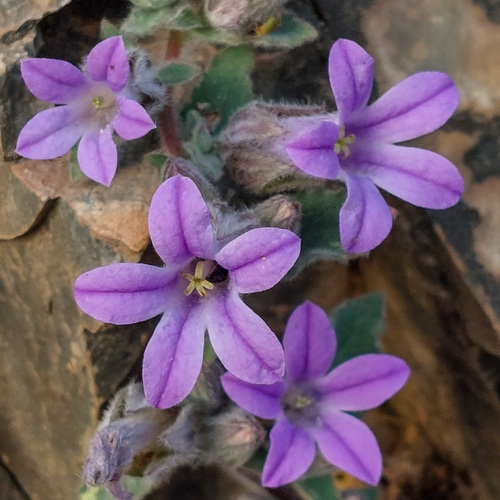
British Columbia, CA
You might spot Bellflowers, Thimbleberry, and Common Bracken.
View guide →
Take the discovery with you
Snap it with Snappit to identify it, learn what makes it special, and add the discovery to your collection.







.jpg&width=800)


_001.jpg&width=800)



