





Mulberries
Morus
Mulberries are sweet, juicy berries that grow on trees. They come in different colors like red, white, and black, and are fun to pick and eat right from the tree!
Habitat: Forests
The Mulberries tree has distinctive, often lobed leaves that can vary in shape even on the same branch. Its small, greenish flowers mature into elongated clusters of juicy, dark purple, red, or white aggregate fruits, resembling blackberries. The bark is typically grayish-brown and furrowed.
Category
PlantsRarity
Common
Danger
1/5 · Very low
Snaps
Be the first to snap!
Folklore suggests planting a mulberry tree brings good luck and prosperity to a home.
Mulberry fruits can be red, black, or even white when ripe, not just purple!
Mulberry trees can sometimes live for hundreds of years, becoming giant, wise old trees!
The white mulberry tree has the fastest pollen release, almost as fast as sound!
Mulberries can have leaves of many different shapes on the same tree, helping them adapt to varying light conditions.
Mulberries produce fruit made of many tiny fruits fused together, ensuring lots of seeds for reproduction.
Mulberries have special chemicals in their leaves that make them the perfect food source for silkworms.
Bombyx mori
Feeds exclusively on mulberry leaves.
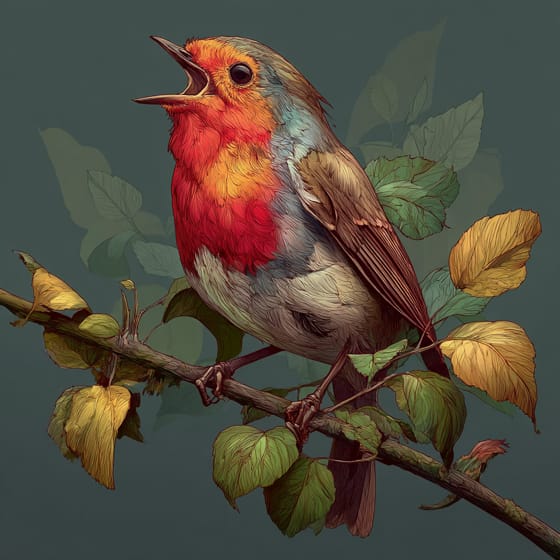
Turdus migratorius
Devours ripe mulberry fruits.
Homo sapiens
Cultivates trees for delicious fruits.
Deciduous plants periodically shed all their leaves, typically during autumn or dry seasons.
Shade tolerant plants are adapted to grow and thrive in areas with low light levels, requiring less direct sunlight.
Broadleaf trees are angiosperms characterized by flat, wide leaves that are typically shed annually in temperate climates.
Fruit-bearing plants produce fruits, which are the mature ovaries of flowering plants containing seeds.

A fruit tree is a perennial tree that produces fruit, which is edible to humans or animals.

Edible plants are those parts of a plant that are considered safe for human consumption.

Describes plants that are particularly attractive and beneficial to a wide range of pollinating organisms.

Rapid growing plants exhibit accelerated growth rates, quickly increasing in size and biomass within a short period.

Forest habitats are terrestrial environments dominated by dense tree cover, supporting a high diversity of plant and animal life.
No aliases listed yet.
Danger
1/5 · Very low
Always wash mulberries before eating them to keep your tummy safe!
The easiest way to identify Mulberries is to use the Snappit nature identifier app.
600-1200 cm
400-900 cm
0.5-1.5 cm
Spring
Yes
None
Perennial
Zoom in to split clusters and explore where this object has been snapped.
Recent snaps will appear here as new observations are added.
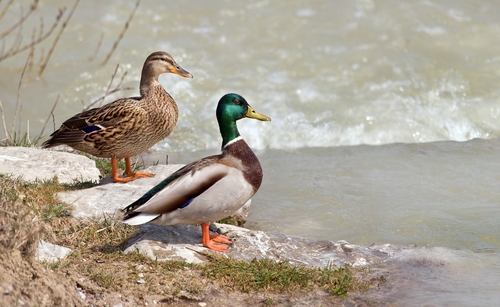
Massachusetts, US
You might spot Duck, Ring-Necked Duck, and American Pokeweed.
View guide →
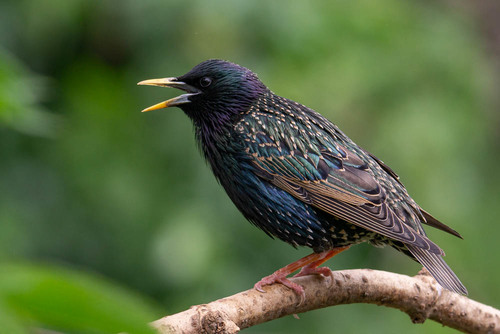
New York, US
You might spot European Starling, Henbit Deadnettle, and Red Deadnettle.
View guide →

Virginia, US
You might spot Spotted Lanternfly and Eastern Poison Ivy.
View guide →
Take the discovery with you
Snap it with Snappit to identify it, learn what makes it special, and add the discovery to your collection.







.jpg&width=800)


_001.jpg&width=800)


