.jpg&width=800)





Musk Shrews
Crocidura
Musk shrews are small, furry animals that love to dig and explore! They have long noses and tiny eyes, making them great at finding food in the ground.
Habitat: Forests
The Musk Shrews has short, dense fur that is typically grey-brown on top, fading to lighter grey or white underneath. It features a long, pointed snout that twitches constantly, tiny dark eyes, and small, rounded ears often hidden within its fur. Its slender body and tail make it distinct from a mouse.
Category
MammalsRarity
Common
Danger
1/5 · Very low
Snaps
Be the first to snap!
Musk shrews have poor eyesight and rely on touch and smell to navigate!
Musk shrews must eat their entire body weight in food every single day!
Their super-fast heart can beat over 1000 times a minute, even faster than some birds!
They release a musky scent when scared, which is how they got their name!
Musk Shrews can use high-frequency squeaks and listen to echoes, helping them navigate and find food in total darkness.
Musk Shrews have an incredibly high metabolism and fast heartbeat, which allows them to be highly active and agile.
Young Musk Shrews form a special 'caravan' by holding onto each other's tails, helping them follow their mother safely.
Some Musk Shrew species have venomous saliva that can paralyze prey, making it easier for them to eat it.
These tiny hunters gobble up lots of insects and worms to fuel their speedy lives!
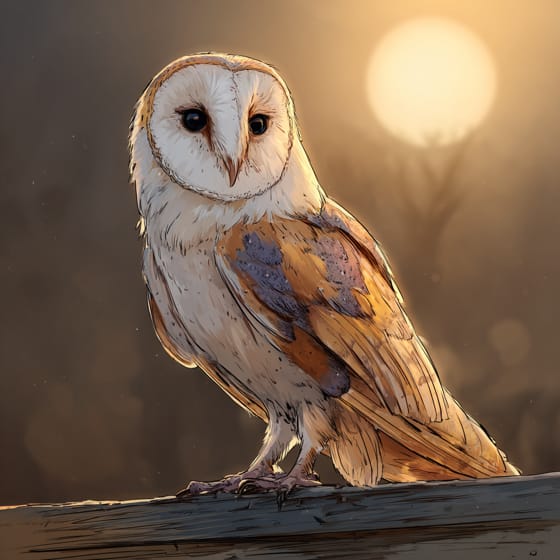
Tyto alba
Preyed upon by this nocturnal hunter.
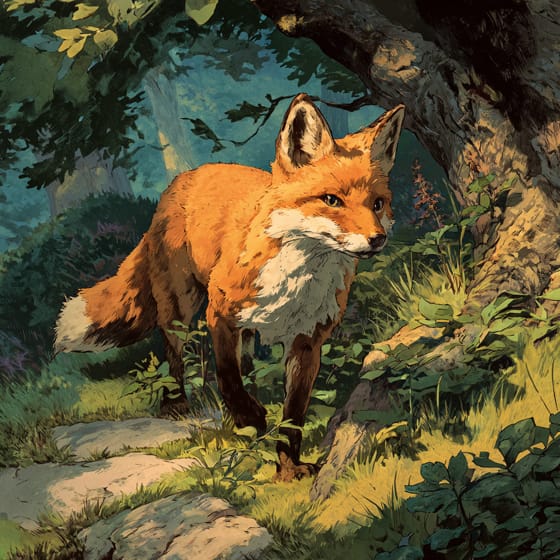
Vulpes vulpes
An occasional prey item for the opportunistic fox.
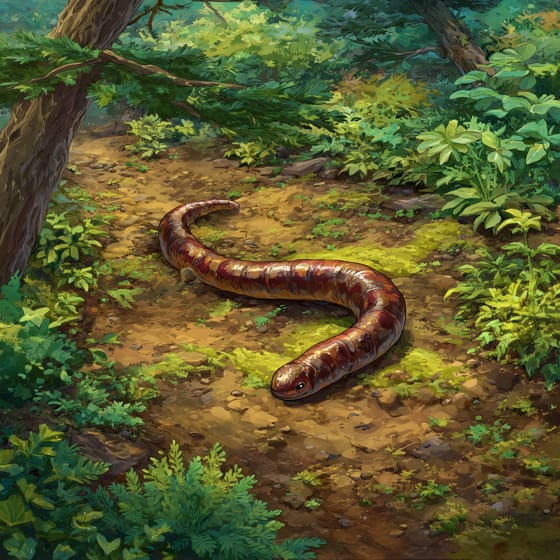
Lumbricus terrestris
A common and nutritious food source.
Formica rufa
Forages for various insect species including ants.
Furry describes animals possessing a dense covering of soft hair or fur.
Social animals live in organized groups, cooperating for survival benefits such as foraging, defense, and raising offspring.
Burrowing animals dig tunnels and chambers in the ground, using these subterranean structures for shelter, hunting, or breeding.
Grassland habitats are terrestrial biomes dominated by grasses and herbaceous plants, supporting a variety of grazing animals.

This trait identifies organisms whose diet primarily consists of insects and other small invertebrates.

Forest habitats are terrestrial environments dominated by dense tree cover, supporting a high diversity of plant and animal life.

This trait identifies organisms that exhibit exceptional swiftness in movement for hunting, escape, or travel.
No aliases listed yet.
Danger
1/5 · Very low
Musk shrews are shy and prefer to be left alone. It's best to watch them from a distance.
The easiest way to identify Musk Shrews is to use the Snappit nature identifier app.
6-10 cm
0.005-0.015 kg
1-2 years
10 km/h
These tiny hunters gobble up lots of insects and worms to fuel their speedy lives!
Forests
Foraging
Zoom in to split clusters and explore where this object has been snapped.
Recent snaps will appear here as new observations are added.
Take the discovery with you
Snap it with Snappit to identify it, learn what makes it special, and add the discovery to your collection.




.jpg&width=800)


.JPG&width=800)

.jpg&width=800)
