





musk stork's-bill
Erodium moschatum
The musk stork's-bill is a lovely little plant with soft leaves and pretty flowers. It grows close to the ground and can often be found in gardens and fields.
Habitat: Grasslands
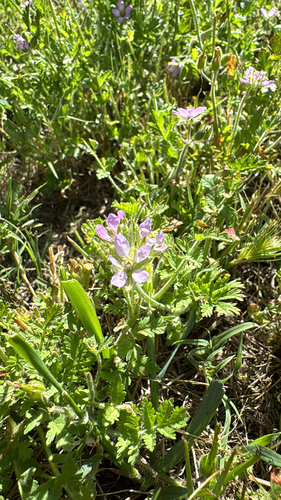
The musk stork's-bill has reddish stems and deeply cut, fern-like leaves that often lie flat. Its small, five-petaled flowers are typically pale pink to purplish-pink. The most distinctive feature is its long, slender fruit resembling a stork's bill.
Category
PlantsRarity
Common
Danger
1/5 · Very low
Snaps
1
Its seeds have a tiny 'tail' that drills them right into the soil!
People sometimes eat its young leaves in salads – they're tasty!
The plant's long seed pod looks exactly like a stork's beak!
This hardy plant can even grow between cracks in pavements!
Musk stork's-bill has a clever coiled 'stork's bill' seed pod that twists to flick seeds away, helping it spread far.
Musk stork's-bill can thrive in disturbed soils and challenging environments, allowing it to grow almost anywhere.
Apis mellifera
collects nectar and pollen
Bombus terrestris
visits flowers for nectar
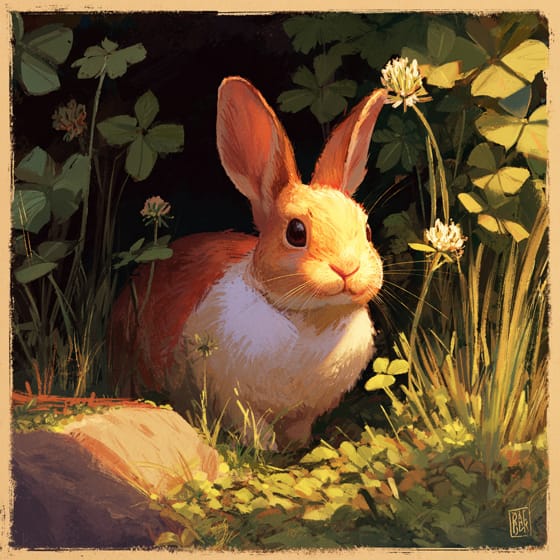
Oryctolagus cuniculus
grazes on its leaves
Aromatic plants produce and emit fragrant volatile organic compounds, often for defense or to attract pollinators.
Flowering plants are any plants that produce flowers as part of their reproductive cycle.
Spring blooming plants produce their flowers during the spring season, often signifying the end of winter and the start of new growth.
Fragrant flowers emit a pleasant aroma, often to attract pollinators or for defense.

Edible plants are those parts of a plant that are considered safe for human consumption.

Grassland habitats are terrestrial biomes dominated by grasses and herbaceous plants, supporting a variety of grazing animals.

Describes plants that are particularly attractive and beneficial to a wide range of pollinating organisms.
No aliases listed yet.
Danger
1/5 · Very low
Always wash your hands after touching plants, just to be safe!
The easiest way to identify musk stork's-bill is to use the Snappit nature identifier app.
10-50 cm
1-2 cm
Spring_to_fall
Yes
None
Annual
Insect
Zoom in to split clusters and explore where this object has been snapped.
May 1, 2026
LockePhoto attribution
(c) Gregory Wada, some rights reserved (CC BY)
License: CC BY 4.0 ↗
Image may be shown cropped inside the card frame.
Take the discovery with you
Snap it with Snappit to identify it, learn what makes it special, and add the discovery to your collection.









.jpg&width=800)


_001.jpg&width=800)



