





Narrow-collared Snail-eating Beetle
Scaphinotus angusticollis
The Narrow-collared Snail-eating Beetle is a small bug that loves to munch on snails! It has a long, narrow neck and shiny black body, making it look quite special in the garden.
Habitat: Forests
The Narrow-collared Snail-eating Beetle has a sleek, often metallic dark blue or black body, distinguished by its notably slender 'neck' (prothorax) connecting to a wider head and abdomen. Its wing covers are typically ridged or grooved, giving it a textured appearance.
Category
InsectsRarity
Common
Danger
1/5 · Very low
Snaps
1
Even though it has wing covers, this beetle cannot fly at all!
Some species can live for several years, which is long for a beetle!
They are like tiny gardeners, helping to control snail populations naturally!
This beetle got its name because its neck is much thinner than its head!
Narrow-collared Snail-eating Beetle can fit its narrow head into snail shells because of its unique body shape, allowing it to reach its prey.
Narrow-collared Snail-eating Beetle has glands that spray foul-smelling chemicals that help them deter curious predators.
Narrow-collared Snail-eating Beetle can hunt in low light because of its sensitive antennae and keen senses that help them find prey.
These beetles are expert hunters, feasting mainly on snails and slugs found in damp places.
Haplotrema concavum
Preys on this common terrestrial snail.
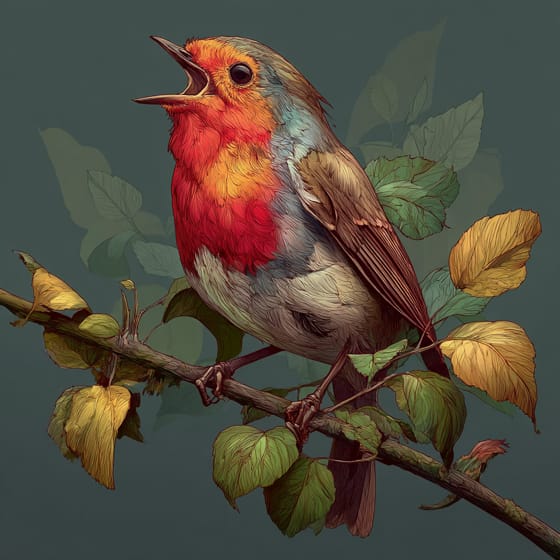
Turdus migratorius
An occasional meal for ground-foraging birds.

Cornu aspersum
Helps control populations of invasive garden snails.
Solitary animals live alone for most of their lives, only interacting with others for mating or parental care.
Camouflaged describes organisms that possess coloring or patterns that allow them to blend into their environment.
An ambush predator hunts by patiently waiting and concealing itself, then launching a sudden attack when unsuspecting prey comes within range.
Forest habitats are terrestrial environments dominated by dense tree cover, supporting a high diversity of plant and animal life.

This trait identifies organisms whose diet consists entirely or primarily of animal tissue.

Pertaining to species that are significantly smaller than typical or average for their kind.
No aliases listed yet.
Danger
1/5 · Very low
Be careful not to touch bugs you find, as some can bite or sting.
The easiest way to identify Narrow-collared Snail-eating Beetle is to use the Snappit nature identifier app.
15-20 mm
730-1095 days
These beetles are expert hunters, feasting mainly on snails and slugs found in damp places.
Forests
Pursuit
6
Zoom in to split clusters and explore where this object has been snapped.

Oregon, US
You might spot Rough-Skinned Newt and Isabella Tiger Moth.
View guide →
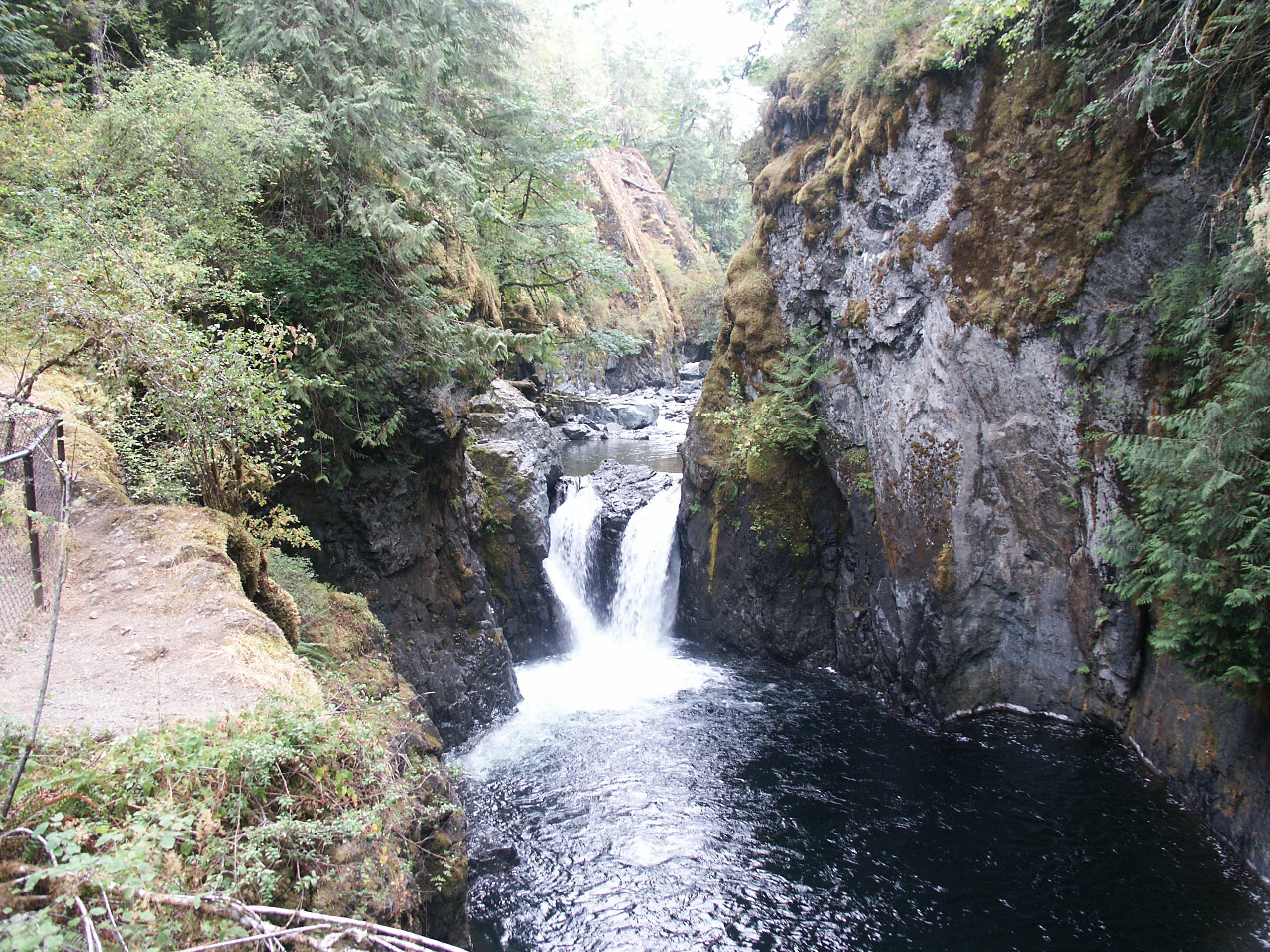
British Columbia, CA
You might spot Vanilla Leaf, Western Maidenhair Fern, and Salal.
View guide →

British Columbia, CA
You might spot Broad-Leaved Stonecrop, Salal, and Pacific Sanicle.
View guide →

Washington, US
You might spot Western Hemlock, Duck, and Western Sword Fern.
View guide →

British Columbia, CA
You might spot Pacific Banana Slug and Arctic Butterbur.
View guide →

British Columbia, CA
You might spot Broad-Leaved Stonecrop, Western Skunk Cabbage, and Salal.
View guide →
Take the discovery with you
Snap it with Snappit to identify it, learn what makes it special, and add the discovery to your collection.









.jpg&width=800)



