Western Hemlock

## Seward Park: Seattle's Magnificent Urban Oasis
## Seward Park: Seattle's Magnificent Urban Oasis
Nestled on a scenic peninsula jutting into Lake Washington, Seward Park stands as a sprawling 300-acre urban oasis, offering a profound escape into nature within Seattle's bustling city limits. Renowned for its magnificent old-growth forests – one of the last remaining tracts in the city – and breathtaking views of the lake and Mount Rainier, it has recently been designated an Urban Quiet Park, affirming its commitment to providing a serene and peaceful environment. This cherished park is a haven for nature enthusiasts and families alike, inviting visitors to explore its diverse landscapes and rich biodiversity.
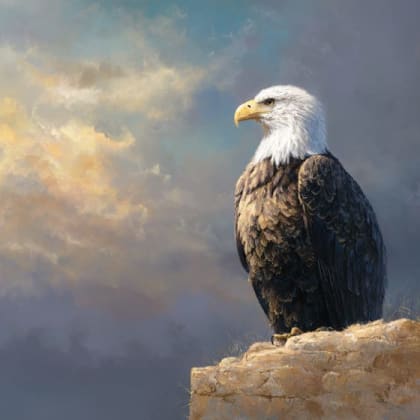
The park's diverse habitats support an abundance of wildlife, making it a prime location for nature observation. Its towering "Magnificent Forest" features ancient western hemlocks, Douglas-firs, bigleaf maples, and western redcedars, providing a lush canopy for creatures like the Eastern Gray Squirrel and Ensatina. Along the shores of Lake Washington, keen observers might spot numerous waterfowl, including Mallards and Canada Geese, while the skies are often graced by the majestic presence of Bald Eagles. Miles of scenic trails, including a popular 2.4-mile paved perimeter loop and a unique interior trail known as Sqebeqsed, wind through these varied ecosystems, promising discoveries at every turn.
Seward Park is more than just a park; it's a place where you can truly connect with nature and unwind. Whether you're seeking a vigorous hike, a leisurely stroll along the shoreline, an opportunity for birdwatching, or simply a tranquil spot to reflect, the park delivers a memorable experience. The combination of its ancient forest, stunning waterfront vistas, and abundant wildlife, including occasional sightings of Coyote and North American River Otters, makes it an unforgettable destination that feels remarkably far from the city, despite its urban setting. Turn your visit into a safari! Use the Snappit app to scan and log wildlife sightings here.
Seward Park, originally known as Bailey Peninsula, holds a rich history rooted in Seattle's early urban planning. In 1892, Seattle Park Superintendent E. O. Schwagerl first proposed that the city acquire the peninsula, a recommendation that was later strongly backed by the influential Olmsted Brothers in their 1903 plan for Seattle's parks. Despite initial resistance due to its distance from the city center, the city purchased the 300-acre peninsula in 1911 for $322,000. It was then named after William H. Seward, the U.S. Secretary of State responsible for the Alaska Purchase. The Olmsted Brothers' preliminary plan for Seward Park in 1912 laid out many of the concepts visible today, emphasizing a mix of shoreline, meadows, picnic areas, and bathing beaches, all ringing the "Magnificent Forest," which they recognized as the city's largest stand of native forest. Over the decades, facilities like a bathhouse (constructed in 1927), fish rearing ponds (1935), and a Greek-style amphitheater (1953) were added, enhancing the park's appeal. The Seward Park Audubon Center, opened in 2008, continues the park's legacy of connecting people with nature through education and conservation efforts.
Hike or bike the paved Perimeter Loop Trail.
Immerse yourself in the old-growth forest on the Sqebeqsed Trail.
Go birdwatching for Bald Eagles, Mallards, Canada Geese, and various songbirds.
Enjoy a picnic at one of the designated areas.
Swim or relax on the beaches (seasonal).
Participate in a guided nature walk or program at the Audubon Center.
Look for wildlife such as Eastern Gray Squirrels, Coyote, and Western Terrestrial Garter Snakes.
Summer (June-August): Popular for swimming, kayaking, and paddle-boarding. Lake Washington Boulevard near Seward Park often hosts car-free "Bicycle Weekends." Check King County for swimming beach water quality updates. The park's amphitheater may host outdoor events.
Fall (September-November): Enjoy vibrant fall foliage and cooler temperatures perfect for hiking.
Winter (December-February): Quieter trails, excellent for serene walks and spotting wintering birds.
Spring (March-May): Witness blooming native plants like Cascade Oregon-grape and thimbleberry, and increased bird activity.
The 2.4-mile Perimeter Loop Trail is paved, wide, and wheelchair-accessible, offering stunning views along the lake shore. The Sqebeqsed interior trail is hard-packed gravel and generally wide. Wheelchair accessible parking is available in the lower parking lots, and accessible restrooms are located near the playground.
Explore the heart of the park, home to ancient old-growth trees.
A 2.4-mile (3.9 km) paved, flat, multi-use path offering continuous lake views, including Mount Rainier.
An interior, unpaved trail providing a deeper forest experience.
Offers nature walks, programs, and exhibits focused on birds and local ecosystems.
Each card links to a full Explore page with photos, traits, and fun facts.
Start with the big picture, then zoom in to explore individual wildlife observations around this place.
Arrive early for parking
Parking lots can get busy, especially on sunny weekends. Arriving earlier in the morning helps secure a spot. Street parking may also be available on Seward Park Ave S.
Explore both loop and interior trails
Don't just stick to the paved perimeter. Venture into the Sqebeqsed Trail to experience the deeper, quieter old-growth forest.
Bring binoculars
For birdwatchers, binoculars are essential to spot Bald Eagles, various waterfowl, and other avian residents and migratory species.
Check water quality before swimming
If planning to swim in Lake Washington during summer, consult King County's website for up-to-date bacteria levels at swimming beaches.
Visit the Audubon Center
Stop by the Seward Park Audubon Center for educational programs, nature walks, and insights into local birds and conservation efforts.
Stay on designated trails
To protect the delicate ecosystems and for your safety, always stay on marked trails.
Jan 24, 2026
Jan 24, 2026
Jan 24, 2026
Jan 24, 2026
Jan 24, 2026

Maryland, US
You might spot White-Tailed Deer and Eastern Gray Squirrel.
View guide →
.jpg)
District of Columbia, US
You might spot Eastern Gray Squirrel, Duck, and House Sparrow.
View guide →

Illinois, US
You might spot American Robin, Canada Goose, and House Sparrow.
View guide →

Virginia, US
You might spot Spotted Lanternfly and Northern Cardinal.
View guide →
Take the discovery with you
Identify the wildlife you spot, learn as you go, and keep a collection of the adventure.