





narrow-leaved purple coneflower
Echinacea angustifolia
The narrow-leaved purple coneflower is a beautiful flower with bright purple petals and a spiky center. It's a favorite among butterflies and bees, making gardens lively and colorful!
Habitat: Grasslands
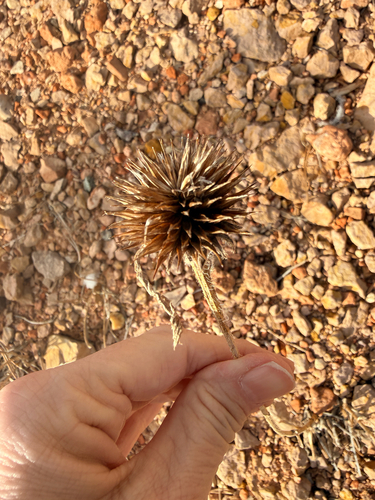
The narrow-leaved purple coneflower has striking purple-pink ray petals that typically droop downwards, surrounding a prominent, spiky, dark brown central cone. Its leaves are long and slender, giving it a distinct, elegant appearance compared to other coneflowers.
Category
PlantsRarity
Common
Danger
1/5 · Very low
Snaps
3
Indigenous peoples traditionally chewed its roots to help with toothaches or sore throats.
Its name, 'Echinacea,' comes from a Greek word meaning 'hedgehog,' for its spiky center!
Many goldfinches love to eat the tiny seeds hidden within its tough, prickly seed heads.
This amazing plant can sprout new flowers even after wildfires pass through its home!
narrow-leaved purple coneflower can grow a super long taproot that helps it find water deep underground to survive dry spells.
Its tough, spiky central cone helps protect seeds from hungry critters and scatters them when birds peck at it.
Bright purple petals and a nectar-rich center lure many bees and butterflies, ensuring its flowers are pollinated.
Apis mellifera
collects nectar and pollen
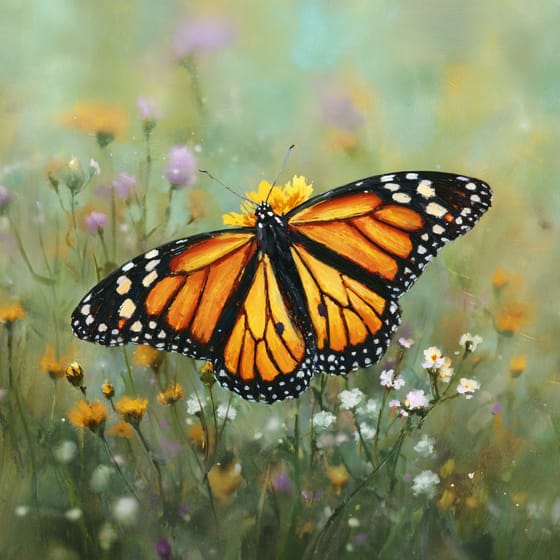
Danaus plexippus
drinks nectar from flowers
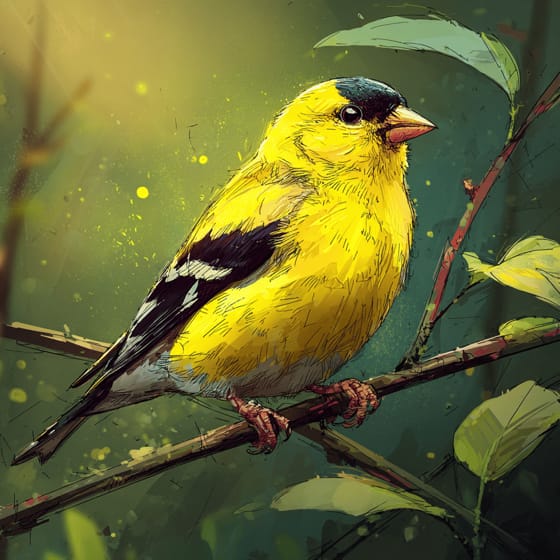
Spinus tristis
eats mature seeds from flower heads
Flowering plants are any plants that produce flowers as part of their reproductive cycle.
Summer blooming plants produce their flowers during the summer season, often providing vibrant color when many other plants have finished.
Fragrant flowers emit a pleasant aroma, often to attract pollinators or for defense.
Medicinal plants possess chemical compounds that can be used for therapeutic purposes to treat illnesses or maintain health.

Colorful describes organisms or objects displaying a wide range of bright and distinct colors.

Edible plants are those parts of a plant that are considered safe for human consumption.

Grassland habitats are terrestrial biomes dominated by grasses and herbaceous plants, supporting a variety of grazing animals.

Describes plants that are particularly attractive and beneficial to a wide range of pollinating organisms.
No aliases listed yet.
Danger
1/5 · Very low
Always look but don’t pick flowers in nature; they need to grow for everyone to enjoy!
The easiest way to identify narrow-leaved purple coneflower is to use the Snappit nature identifier app.
30-90 cm
30-45 cm
5-8 cm
Summer
Yes
None
Perennial
Zoom in to split clusters and explore where this object has been snapped.
Jan 17, 2026
Reptile GardensPhoto attribution
(c) Jane Weeden, some rights reserved (CC BY)
License: CC BY 4.0 ↗
Image may be shown cropped inside the card frame.

South Dakota, US
You might spot Duck, Canada Goose, and Thirteen-Lined Ground Squirrel.
View guide →

Texas, US
You might spot Grooved Nipple Cactus and Blanchard's Cricket Frog.
View guide →
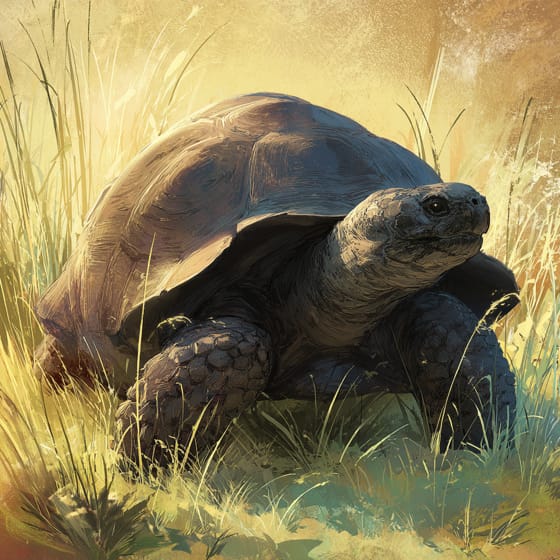
South Dakota, US
You might spot Aldabra Giant Tortoise and Saltwater Crocodile.
View guide →

South Dakota, US
You might spot Scarlet Globemallow, Leadplant, and Yellow Salsify.
View guide →
South Dakota, US
You might spot Bighorn Sheep and Narrow-Leaved Purple Coneflower.
View guide →
Take the discovery with you
Snap it with Snappit to identify it, learn what makes it special, and add the discovery to your collection.








.jpg&width=800)


_001.jpg&width=800)



