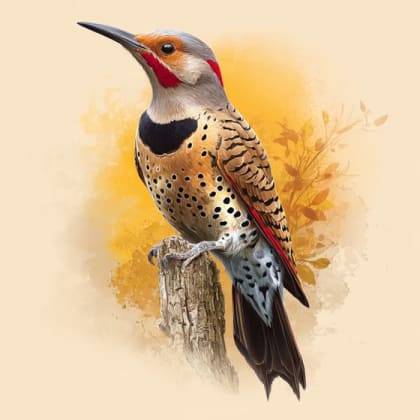





Bighorn Sheep
Jewel Cave National Monument, nestled within the picturesque Black Hills of South Dakota, offers an extraordinary journey into one of the world's longest and most intricate cave systems.
Jewel Cave National Monument, nestled within the picturesque Black Hills of South Dakota, offers an extraordinary journey into one of the world's longest and most intricate cave systems. Named for the abundant calcite crystals that adorn its passages, sparkling like precious gems when illuminated, this subterranean marvel invites visitors to explore a hidden world of geological wonders. Above ground, the monument boasts a captivating landscape of Ponderosa pine forests and open meadows, providing a diverse habitat for wildlife and a serene escape for nature lovers.
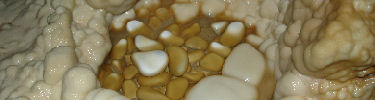
The monument's primary allure lies deep beneath the surface, where a labyrinth of chambers and passageways showcases a spectacular array of formations. Visitors can marvel at "dogtooth spar" and "nailhead spar" calcite crystals, delicate "soda straws," cascading "flowstone," intricate "frostwork," whimsical "cave popcorn," and even "cave bacon." On the surface, the varied ecosystems support a rich diversity of life. Keep an eye out for majestic Bighorn Sheep traversing the rugged terrain, graceful Mule Deer grazing in the meadows, and a vibrant avian community including the American Robin and Red-headed Woodpecker. The landscape also bursts with colorful flora, such as the narrow-leaved purple coneflower, prairie pasqueflower, and wild bergamot, especially vibrant in spring and early summer.
A visit to Jewel Cave is an unforgettable experience, blending the thrill of underground exploration with the tranquility of a diverse natural landscape. Whether you're captivated by the glittering geological artistry within the cave, eager to hike among unique Black Hills flora, or hoping to spot native wildlife, this national monument offers a memorable adventure for all. Its status as a "breathing cave," where air flows in and out due to atmospheric pressure changes, adds another layer of scientific intrigue to its profound natural beauty. Planning to visit? Download the Snappit app to identify the wildlife you spot in real-time.
The story of Jewel Cave National Monument began in 1900 when two prospectors, Frank and Albert Michaud, discovered a small hole in Hell Canyon from which cold air was emanating. After enlarging the opening with dynamite, they were met with a dazzling sight: a cavern adorned with sparkling calcite crystals, which inspired them to name it "Jewel Cave." Initially, the Michaud brothers attempted to turn their discovery into a tourist attraction. However, the cave's scientific significance and natural beauty soon garnered national attention. In 1908, President Theodore Roosevelt officially proclaimed Jewel Cave a National Monument, making it the first cave in the United States to receive such protection. Further development occurred in the 1930s with the Civilian Conservation Corps, and extensive exploration by cavers Jan and Herb Conn from 1959 to 1981 significantly expanded the known passageways, revealing Jewel Cave to be one of the longest cave systems in the world.
Take a guided cave tour to witness the stunning calcite crystals and unique formations. Hike the surface trails to enjoy the Black Hills landscape and spot wildlife such as Bighorn Sheep and Mule Deer. Visit the Historic Area, including the original cave entrance and cabin. Explore the Visitor Center's educational displays.
Winter: Reduced Visitor Center hours, and some days may be closed. Only Scenic and Discovery tours typically offered. Surface trails may require snowshoes, which can be borrowed from the Visitor Center. Expect cold and snowy conditions on the surface.
Summer: Peak season with highest visitation. All cave tours are available. Surface areas are lush with wildflowers.
Year-round (inside cave): The cave maintains a constant temperature of 49°F (9°C), so a jacket or sweatshirt is recommended regardless of the season.
The Visitor Center is fully wheelchair accessible with ramps and accessible restrooms. The Discovery Tour is wheelchair accessible, utilizing a paved platform and an elevator to enter the cave. The Roof Trail is paved, though it has some moderate grades. Service animals are allowed in the Visitor Center and on the Discovery Tour. ASL interpretation can be requested in advance. Other tours and hiking trails may be strenuous or have stairs and are not considered wheelchair accessible.
The primary highlight is the extensive cave system itself, explored via ranger-guided tours. Be sure to experience the "Scenic Tour" for its diverse formations or the "Discovery Tour" for a shorter, accessible option. Above ground, the Visitor Center features exhibits on cave formation, exploration, and the monument's history. Hiking trails like the Roof Trail and Canyons Trail offer scenic views and opportunities for wildlife viewing.
Each card links to a full Explore page with photos, traits, and fun facts.
Start with the big picture, then zoom in to explore individual wildlife observations around this place.
Book Tours in Advance
Secure your spot on a guided cave tour by making reservations online at Recreation.gov well ahead of your visit, especially during peak summer months.
Dress in Layers
The cave's constant 49°F (9°C) temperature means a jacket or sweatshirt is essential, even on a hot summer day.
Wear Appropriate Footwear
Closed-toe shoes (sneakers, hiking boots) are mandatory for all cave tours. Sandals or open-toed shoes are not allowed.
Arrive Early
Plan to be at the Visitor Center at least 30 minutes before your scheduled tour time. This allows for parking, ticket collection, and a brief orientation.
Stay Hydrated and Bring Snacks
Especially if you plan on hiking surface trails, carry plenty of water and snacks.
Be Prepared for No Cell Service
There is little to no cell service inside the cave or in some areas of the monument, so plan accordingly.
Protect Against Ticks
If hiking during warmer months, be sure to check for ticks after your outdoor activities.
Jan 28, 2026
Sep 18, 2025
Aug 18, 2025
Aug 18, 2025
Aug 18, 2025

Maryland, US
You might spot White-Tailed Deer and Eastern Gray Squirrel.
View guide →
.jpg)
District of Columbia, US
You might spot Eastern Gray Squirrel, Duck, and House Sparrow.
View guide →

Illinois, US
You might spot American Robin, Canada Goose, and House Sparrow.
View guide →

Virginia, US
You might spot Spotted Lanternfly and Northern Cardinal.
View guide →
Take the discovery with you
Identify the wildlife you spot, learn as you go, and keep a collection of the adventure.