





Nathusius' Pipistrelle
Pipistrellus nathusii
Nathusius' Pipistrelle is a small bat that loves to fly around at night. They help keep the insect population down by eating lots of bugs!
Habitat: Forests
The Nathusius' Pipistrelle is a small bat with soft, reddish-brown fur on its back, contrasting with a paler grey-brown belly. It has a distinct dark mask around its eyes, dark ears, and dark wing membranes. Its broad, short wings make it look different from many other pipistrelle species.
Category
MammalsRarity
Common
Danger
1/5 · Very low
Snaps
Be the first to snap!
Mother bats nurse their young for about 4 weeks before they learn to fly.
They can twist and turn in the air with amazing agility to catch prey!
They undertake incredible migrations across Europe, sometimes thousands of kilometers!
This tiny bat can hear sounds far too high-pitched for human ears.
Nathusius' Pipistrelle can use echolocation because of its highly sensitive ears and vocal cords that produce ultrasonic calls.
Nathusius' Pipistrelle has strong wings and an internal compass that helps them undertake long seasonal migrations across continents.
Nathusius' Pipistrelle can perform swift, agile maneuvers in the air because of its wing structure that allows for precise turns and dives.
These tiny bats are expert hunters, feasting on small flying insects at night!
Falco tinnunculus
hunts bats during migration or near roosts.
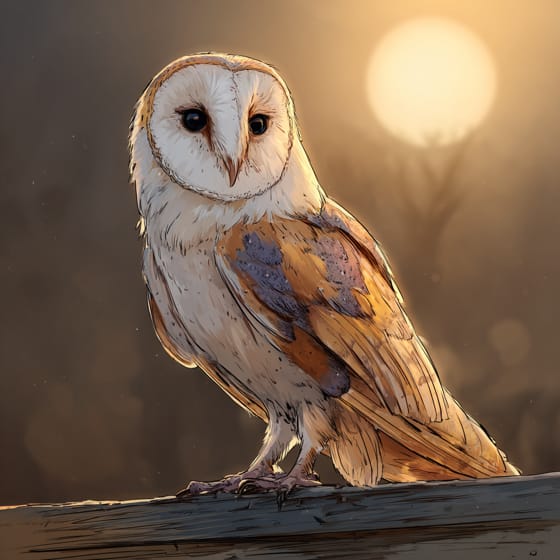
Tyto alba
Nocturnal hunter preying on small mammals, including bats.
Culicoides impunctatus
Main food source in many wetland habitats.

Noctua pronuba
Common moth species preyed upon by bats.
Culex pipiens
Helps control mosquito populations near water.
Furry describes animals possessing a dense covering of soft hair or fur.
Solitary animals live alone for most of their lives, only interacting with others for mating or parental care.
This trait identifies organisms whose diet primarily consists of insects and other small invertebrates.
Echolocation is a biological sonar used by animals to navigate, hunt, and communicate by emitting sound waves and interpreting the echoes.

Forest habitats are terrestrial environments dominated by dense tree cover, supporting a high diversity of plant and animal life.

This trait identifies organisms that exhibit exceptional swiftness in movement for hunting, escape, or travel.

Migratory animals undertake seasonal movements from one region to another, typically in response to changes in climate or food availability.

Nocturnal animals are primarily active during the nighttime hours, typically resting or sleeping during the day.

Endangered status indicates a species is at a very high risk of extinction in the wild in the near future.
No aliases listed yet.
Danger
1/5 · Very low
Bats are usually harmless, but it's best to watch them from a distance.
The easiest way to identify Nathusius' Pipistrelle is to use the Snappit nature identifier app.
4.4-5.8 cm
22-32 cm
0.006-0.015 kg
2-12 years
35 km/h
These tiny bats are expert hunters, feasting on small flying insects at night!
Forests
Zoom in to split clusters and explore where this object has been snapped.
Recent snaps will appear here as new observations are added.
Take the discovery with you
Snap it with Snappit to identify it, learn what makes it special, and add the discovery to your collection.




.jpg&width=800)


.JPG&width=800)



.jpg&width=800)
