





Natterjack Toad
Epidalea calamita
The Natterjack Toad is a special toad with a loud call and a yellow stripe down its back. It loves to live in sandy areas and is known for its hopping instead of jumping.
Habitat: Sandy areas
The Natterjack Toad has warty, olive-brown to greyish skin, often with dark spots and a distinctive yellow stripe down its back. Its pupils are horizontal. Unlike many other toads, it has relatively short legs, giving it a flatter appearance.
Category
AmphibiansRarity
Common
Danger
1/5 · Very low
Snaps
Be the first to snap!
A group of toads is called a 'knot'—what a funny name!
Natterjack Toads have horizontal pupils, like a tiny line!
Their tadpoles can grow into tiny toads in as little as 8 weeks!
Unlike most toads, Natterjacks often walk or run instead of hopping!
Natterjack Toads can run quickly on land, which helps them chase prey and escape from predators.
Natterjack Toads can burrow backward into sandy soil, helping them hide from danger and stay cool.
Natterjack Toads have special skin glands that produce toxins, protecting them from hungry animals.
Natterjack Toads can make a very loud mating call, helping them find partners across wide areas.
Natterjack Toads eat many different small insects and other invertebrates, but their tadpoles feast on plants.
Age differences: Tadpoles are herbivorous, primarily consuming algae and detritus, while adults are carnivorous.
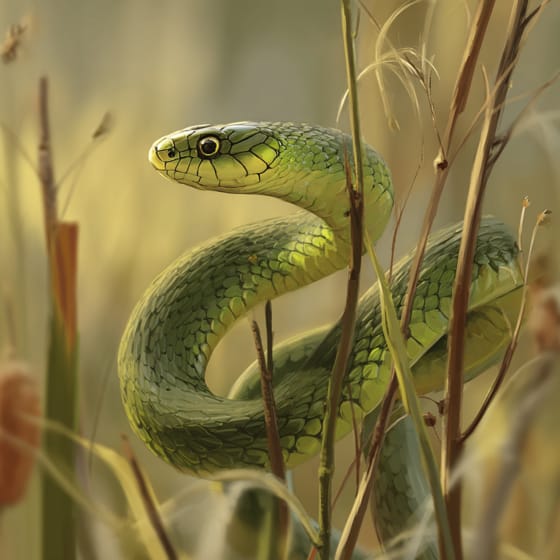
Natrix helvetica
A common predator in their European range.
.jpg&width=800)
Ardea cinerea
Opportunistic bird predator of amphibians.
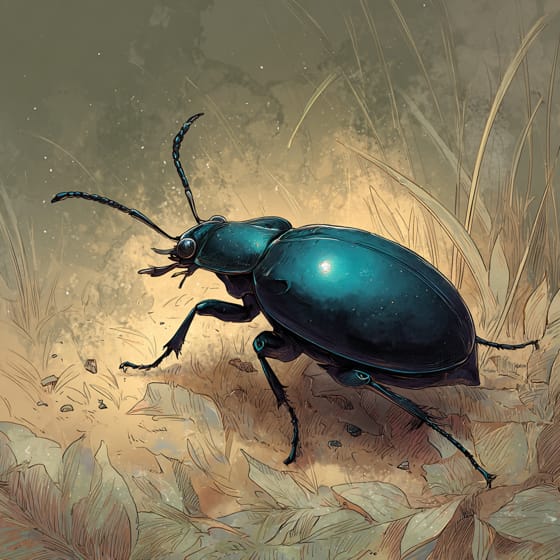
Carabus nemoralis
A common insect prey item.
Formica rufa
Another frequent food source.
Marked with parallel bands or lines of color.
Solitary animals live alone for most of their lives, only interacting with others for mating or parental care.
Camouflaged describes organisms that possess coloring or patterns that allow them to blend into their environment.
Colorful describes organisms or objects displaying a wide range of bright and distinct colors.

This trait identifies organisms whose diet primarily consists of insects and other small invertebrates.

Nocturnal animals are primarily active during the nighttime hours, typically resting or sleeping during the day.

Endangered status indicates a species is at a very high risk of extinction in the wild in the near future.
Danger
1/5 · Very low
Always watch toads from a distance and don't touch them, as they can be delicate.
The easiest way to identify Natterjack Toad is to use the Snappit nature identifier app.
6-8 cm
0.01-0.025 kg
10-15 years
1 km/h
Natterjack Toads eat many different small insects and other invertebrates, but their tadpoles feast on plants.
Sandy areas
Ambush
Zoom in to split clusters and explore where this object has been snapped.
Recent snaps will appear here as new observations are added.
Take the discovery with you
Snap it with Snappit to identify it, learn what makes it special, and add the discovery to your collection.








.JPG&width=800)


.jpg&width=800)

