

Nevada marsh fern
Amauropelta nevadensis
The Nevada marsh fern is a lovely green plant that grows in wet places. It has soft, feathery leaves that look like tiny fans and can be found in marshy areas.
Habitat: Wetlands
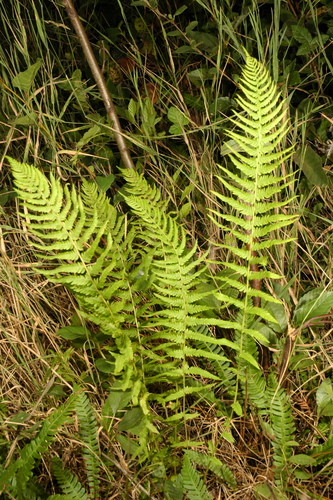
The Nevada marsh fern has delicate, bright green fronds that grow upright, forming a graceful cluster. Its lacy leaves are divided into many small leaflets, giving it a soft, feathery appearance, distinct from broader-leaved ferns.
Category
PlantsRarity
Common
Danger
1/5 · Very low
Snaps
Be the first to snap!
Ferns are ancient plants, older than dinosaurs! They've been on Earth for millions of years.
Instead of seeds, this fern uses tiny dust-like spores to reproduce, which are carried by the wind!
Its fronds unfurl from tightly coiled 'fiddleheads' in spring, looking like a tiny scroll.
Many small marsh creatures find shelter and shade under the wide fronds of this friendly fern.
Nevada marsh fern can release tiny spores from its fronds to create new ferns without needing seeds or flowers.
Nevada marsh fern has roots adapted to waterlogged soil, allowing it to thrive where other plants might drown.
Nevada marsh fern can spread underground using rhizomes, letting it quickly colonize new areas in its marshy home.

Odocoileus hemionus
Fronds provide occasional forage for grazing deer.
Deroceras reticulatum
Slugs may browse on its tender young fiddleheads and fronds.
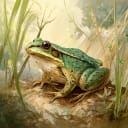
Hyla regilla
Wet fronds create cool, moist hiding spots for small frogs.
Ornamental plants are cultivated primarily for their aesthetic appeal, enhancing landscapes and gardens with their attractive foliage, flowers, or form.
Grass-like plants are herbaceous plants that visually resemble true grasses, typically having long, narrow leaves.
Shade tolerant plants are adapted to grow and thrive in areas with low light levels, requiring less direct sunlight.
Describes organisms that break down dead organic material, recycling nutrients back into the ecosystem.
This habitat trait identifies species found in wetlands, which are areas of land saturated with water, either permanently or seasonally, including marshes, swamps, and bogs.
Endangered status indicates a species is at a very high risk of extinction in the wild in the near future.
No aliases listed yet.
Danger
1/5 · Very low
Don't touch plants without asking an adult first, as some can be prickly or cause allergies.
Compare frond shape, how the leaflets are arranged, the stalk, and any spore clusters you can see. A single detached leaflet often hides the plant's overall growth pattern. Fern Identifier: upload a photo and compare the visible details.
20-70 cm
20-50 cm
No
None
Perennial
Wetlands
Zoom in to split clusters and explore where this object has been snapped.
Recent snaps will appear here as new observations are added.
Take the discovery with you
Snap it with Snappit to identify it, learn what makes it special, and add the discovery to your collection.