





southern catalpa
Catalpa bignonioides
The southern catalpa is a beautiful tree with large, heart-shaped leaves and lovely white flowers. It can grow quite tall and provides shade for people and animals alike.
Habitat: Urban areas
The southern catalpa has very large, light green, heart-shaped leaves and showy white, bell-shaped flowers with purple spots and yellow stripes. Its most distinctive feature is the long, slender, bean-like seed pods that hang from its branches through winter.
Category
PlantsRarity
Common
Danger
1/5 · Very low
Snaps
Be the first to snap!
Catalpa worms, a prized fishing bait, are actually caterpillars that only eat catalpa leaves!
Its wood is incredibly rot-resistant, making it a favorite for fence posts that last ages!
Some people call it the "cigar tree" because its long, slender seed pods look just like cigars!
The tree's giant leaves can sometimes grow over a foot long, making them feel like elephant ears!
Southern catalpa has long, persistent seed pods that allow seeds to scatter gradually throughout winter, maximizing their chance to find good soil.
Its showy white flowers have purple and yellow markings that act as 'nectar guides,' directing insects straight to the pollen for efficient pollination.
The southern catalpa can grow surprisingly fast, quickly establishing itself in sunny spots and reaching for the sky to get more sunlight.
Ceratomia catalpae
Its leaves are the sole food source for these caterpillars.
Apis mellifera
Bees are attracted to its nectar-rich, showy flowers.
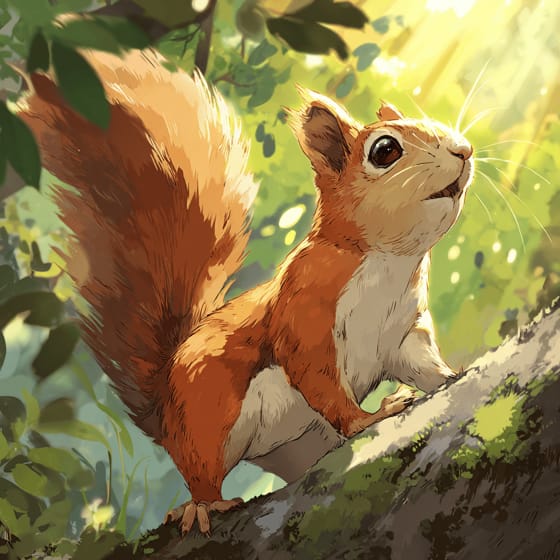
Sciurus carolinensis
Provides shelter and nesting sites within its canopy.
Deciduous plants periodically shed all their leaves, typically during autumn or dry seasons.
Flowering plants are any plants that produce flowers as part of their reproductive cycle.
Shade tolerant plants are adapted to grow and thrive in areas with low light levels, requiring less direct sunlight.
Broadleaf trees are angiosperms characterized by flat, wide leaves that are typically shed annually in temperate climates.

Describes plants that are particularly attractive and beneficial to a wide range of pollinating organisms.

Timber refers to wood that has been prepared for use in building and carpentry.

This habitat trait indicates species that can coexist with humans in urban and suburban environments, utilizing man-made structures and green spaces.
No aliases listed yet.
Danger
1/5 · Very low
Be careful not to climb too high in trees, and always ask an adult for help.
The easiest way to identify southern catalpa is to use the Snappit nature identifier app.
1000-1800 cm
600-1200 cm
3-5 cm
Summer
No
Mild
Perennial
Zoom in to split clusters and explore where this object has been snapped.
Recent snaps will appear here as new observations are added.
Take the discovery with you
Snap it with Snappit to identify it, learn what makes it special, and add the discovery to your collection.







.jpg&width=800)


_001.jpg&width=800)



