





muscadine
Vitis rotundifolia
Muscadine grapes are sweet, round fruits that grow in bunches on vines. They have a thick skin and are often used to make yummy jams and jellies!
Habitat: Urban areas, Vineyards
The muscadine is a vigorous, woody vine with large, rounded to heart-shaped leaves, often glossy green. Its berries grow in loose clusters, displaying colors from bronze to deep purple or black when ripe. Unlike other grapes, muscadines have thick skin and often a single large seed.
Category
PlantsRarity
Common
Danger
1/5 · Very low
Snaps
17
Muscadine grapes can "slip" out of their skins, making them fun to eat fresh!
Muscadines are one of the only grape species native to the southeastern United States!
Some muscadine vines can live for over 100 years, growing thick like small trees!
The fruit "scuppernong" is actually a famous type of bronze-colored muscadine grape!
Its fruit has a thick, leathery skin that helps protect the sweet pulp inside from pests and diseases.
Muscadine vines possess a natural resistance to several common grape diseases, helping them thrive in humid environments.
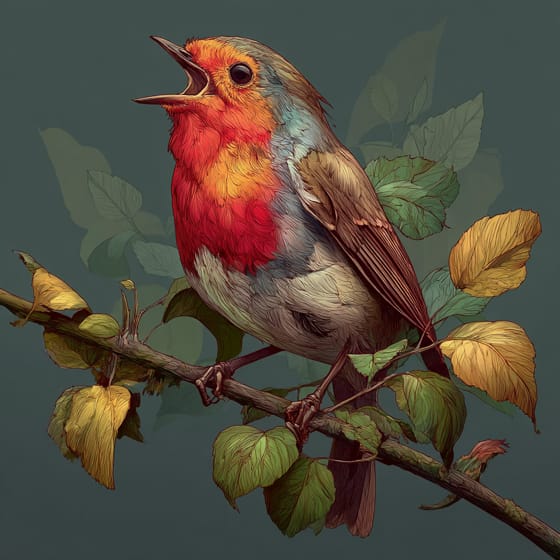
Turdus migratorius
Birds eat the ripe, sweet berries, helping disperse seeds.

Procyon lotor
Mammals enjoy the sweet fruit, especially fallen ones on the ground.

Odocoileus virginianus
Deer browse on the leaves and young shoots of the vines.
Anolis carolinensis
Dense muscadine vines provide cover and climbing opportunities for small reptiles.
Deciduous plants periodically shed all their leaves, typically during autumn or dry seasons.
Fruit-bearing plants produce fruits, which are the mature ovaries of flowering plants containing seeds.
A fruit tree is a perennial tree that produces fruit, which is edible to humans or animals.
This human use trait describes species cultivated or domesticated by humans for agricultural purposes, including crops and livestock.

Colorful describes organisms or objects displaying a wide range of bright and distinct colors.

Edible plants are those parts of a plant that are considered safe for human consumption.

Rapid growing plants exhibit accelerated growth rates, quickly increasing in size and biomass within a short period.

This habitat trait indicates species that can coexist with humans in urban and suburban environments, utilizing man-made structures and green spaces.
Danger
1/5 · Very low
Always wash grapes before eating them to keep them clean and safe.
The easiest way to identify muscadine is to use the Snappit nature identifier app.
900-1800 cm
300-900 cm
0.3-0.5 cm
Late spring to early summer
Yes
None
Perennial
Zoom in to split clusters and explore where this object has been snapped.

Georgia, US
You might spot Gulf Fritillary, Anole, and American Beautyberry.
View guide →

Georgia, US
You might spot Joro Spider, American Sweetgum, and American Tuliptree.
View guide →

Louisiana, US
You might spot Rough Horsetail, Northern Mockingbird, and Anole.
View guide →

Georgia, US
You might spot Asian Lady Beetle, Anole, and Joro Spider.
View guide →

Georgia, US
You might spot American Beautyberry, Muscadine, and Virginia Creeper.
View guide →

Alabama, US
You might spot Eastern Lubber Grasshopper, Christmas Lichen, and Anole.
View guide →
Take the discovery with you
Snap it with Snappit to identify it, learn what makes it special, and add the discovery to your collection.








.jpg&width=800)



_001.jpg&width=800)



