




Texas Horned Lizard
Phrynosoma cornutum
The Texas Horned Lizard is a small, spiky reptile that looks like a tiny dinosaur! It can change color to blend in with its surroundings and loves to bask in the sun.
Habitat: Desert
The Texas Horned Lizard is a flat-bodied reptile with a spiky crown of horns on its head and two rows of fringe along its sides. Its skin is typically tan, brown, or grey, often speckled with darker blotches for camouflage, making it visually distinct.
Category
ReptilesRarity
Common
Danger
1/5 · Very low
Snaps
4
Many people call them 'horny toads,' but they are actually lizards, not amphibians!
Texas Horned Lizards can live for up to 10 years in the wild!
Their diet mainly consists of harvester ants, which many other animals avoid!
They can burrow into sand in seconds, vanishing right before your eyes!
Texas Horned Lizard can squirt streams of blood from its eyes that helps scare off predators.
Texas Horned Lizard has bumpy, patterned skin that helps them blend perfectly with rocks and sand.
Texas Horned Lizard has sharp horns and spiny scales that protect it from being easily eaten.
Texas Horned Lizard has a sticky tongue that helps them quickly slurp up many ants at once.
These lizards primarily eat ants, using their sticky tongue to slurp them up quickly and efficiently.
Pogonomyrmex barbatus
Primary food source, often found near their nests.

Pogonomyrmex rugosus
Another key ant species in their diet.
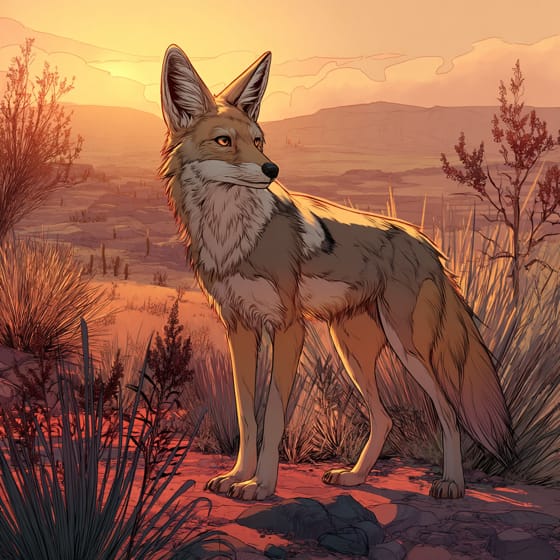
Canis latrans
Common predator across its range.
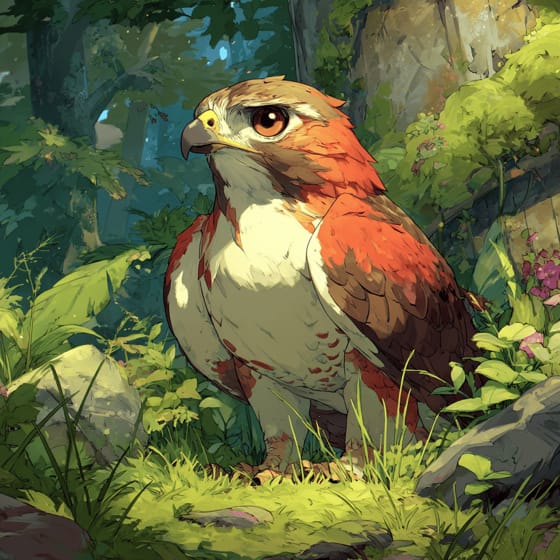
Buteo jamaicensis
Bird of prey that hunts ground-dwelling lizards.
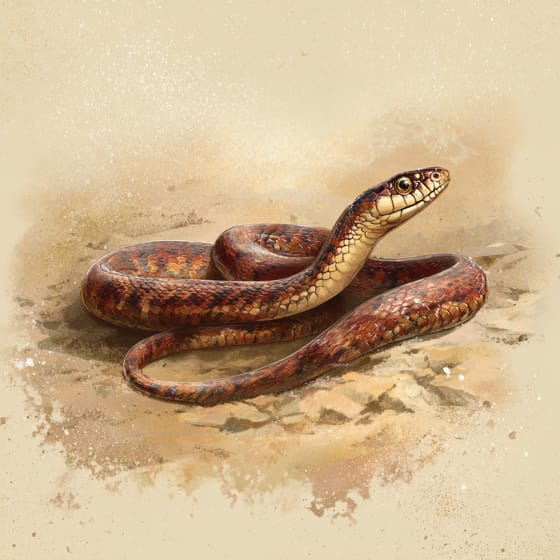
Masticophis flagellum
Fast-moving snake that preys on lizards.
Solitary animals live alone for most of their lives, only interacting with others for mating or parental care.
Characterized by having one or more hard, permanent, pointed projections on the head.
This trait identifies organisms whose diet primarily consists of insects and other small invertebrates.
Thermoregulating organisms maintain a stable internal body temperature despite fluctuations in the external environment.

Desert habitats are arid regions characterized by extremely low precipitation and often extreme temperatures, supporting specialized flora and fauna.

An ambush predator hunts by patiently waiting and concealing itself, then launching a sudden attack when unsuspecting prey comes within range.

Possessing sharp, pointed projections or spines on the body or surface.

Diurnal animals are primarily active during daylight hours, typically resting or sleeping at night.

Threatened status denotes a species likely to become endangered in the foreseeable future without effective conservation interventions.
Danger
1/5 · Very low
It's best to watch these lizards from a distance and not touch them, as they can be scared easily.
The easiest way to identify Texas Horned Lizard is to use the Snappit nature identifier app.
6-12 cm
0.045-0.1 kg
5-8 years
10 km/h
These lizards primarily eat ants, using their sticky tongue to slurp them up quickly and efficiently.
Desert
Foraging
Zoom in to split clusters and explore where this object has been snapped.

Oklahoma, US
You might spot Hoary Vervain, Buffalo Gourd, and Pond Slider.
View guide →
Texas, US
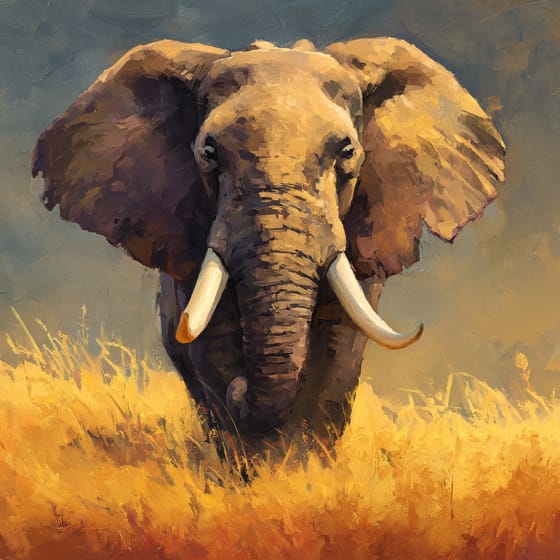
You might spot African Elephant, Reticulated Giraffe, and African Lion.
View guide →

Texas, US
You might spot African Lion, Giraffes, and Hippopotamus.
View guide →
Texas, US
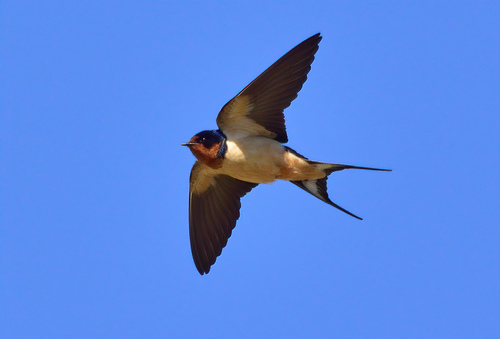
You might spot Barn Swallow, House Sparrow, and Indian Peafowl.
View guide →

US
You might spot Great Kiskadee, Rock Pigeon, and Mexican Palo Verde.
View guide →

Texas, US
You might spot Brewer's Blackbird and Texas Sandsheet Beebalm.
View guide →
Take the discovery with you
Snap it with Snappit to identify it, learn what makes it special, and add the discovery to your collection.














