




Nickernut
Guilandina bonduc
Nickernut is a special plant with bright yellow flowers and round, hard seeds. It grows in warm places and can climb on other plants, making it look like a green curtain in nature.
Habitat: Coastal areas
The Nickernut is a thorny, scrambling shrub or vine with compound leaves. It produces small, vibrant yellow flowers in racemes. Its most distinctive feature is its hard, smooth, often greyish-brown seeds, commonly called 'sea beans'.
Category
PlantsRarity
Common
Danger
2/5 · Low
Snaps
2
Ancient mariners believed carrying a Nickernut seed brought them good luck and protection.
Finding a Nickernut seed washed up on a beach means it traveled a long, ocean journey!
Its super tough seeds were once used by sailors as buttons!
People in some cultures traditionally use Nickernut seeds as marbles for games.
Nickernut has incredibly buoyant seeds that can float for months, helping it travel across oceans to new shores.
Nickernut plants are covered in sharp, recurved thorns that help protect its stems and leaves from hungry herbivores.
Nickernut can draw nitrogen from the air and put it into the soil, acting like a natural fertilizer for itself and neighbors.
Apis mellifera
Visits flowers to collect nectar and pollen.
Bombus terrestris
Buzzes around the flowers, aiding in pollination.

Calidris alba
Small birds might find temporary shelter in dense thickets.
Climbing or vine plants are characterized by a growth habit that allows them to ascend upwards by twining, tendrils, or adhesive roots.
Flowering plants are any plants that produce flowers as part of their reproductive cycle.
Ornamental plants are cultivated primarily for their aesthetic appeal, enhancing landscapes and gardens with their attractive foliage, flowers, or form.
Nut bearing plants produce hard-shelled fruits, commonly known as nuts, which contain a single seed and are a valuable food source.

Drought-tolerant plants can survive and flourish in conditions with limited water availability.

Edible plants are those parts of a plant that are considered safe for human consumption.

Describes plants that are particularly attractive and beneficial to a wide range of pollinating organisms.

Coastal habitats are dynamic environments located along the interface between land and sea, influenced by tides, waves, and saltwater.
Danger
2/5 · Low
Do not eat the seeds, as they can be harmful. Always look but don't touch!
The easiest way to identify Nickernut is to use the Snappit nature identifier app.
200-600 cm
0.5-1 cm
Summer_fall
No
Mild
Perennial
Insect
Zoom in to split clusters and explore where this object has been snapped.

Florida, US
You might spot Brown Anole, Peters's Rock Agama, and White Ibis.
View guide →
Florida, US
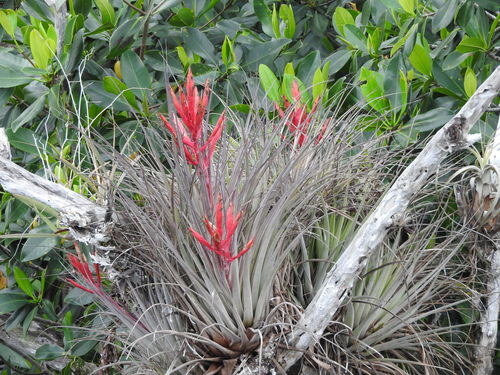
You might spot Tillandsia Fasciculata, Red Mangrove, and Giant Airplant.
View guide →

Florida, US
You might spot Brown Anole, Osprey, and White Ibis.
View guide →
Florida, US
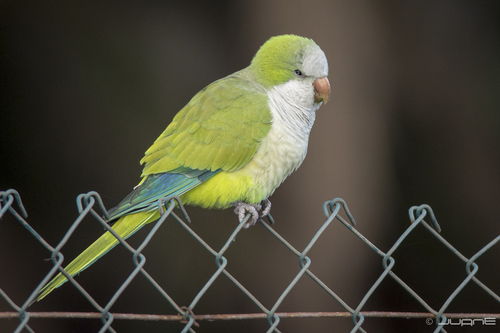
You might spot Monk Parakeet, Peters's Rock Agama, and Brown Pelican.
View guide →

Florida, US
You might spot Willet, Lightning Whelk, and Ruddy Turnstone.
View guide →
Take the discovery with you
Snap it with Snappit to identify it, learn what makes it special, and add the discovery to your collection.








.jpg&width=800)



_001.jpg&width=800)



