





Red Mulberry
morus rubra
The Red Mulberry tree has large, heart-shaped leaves and produces sweet berries that many animals love to eat! It's a great tree to find in forests and parks, especially when the berries are ripe and ready for picking.
Habitat: It thrives in rich, moist soils in forests, floodplains, and along riverbanks.
The Red Mulberry is a medium-sized tree with large, dark green leaves that are often unlobed, lobed, or mitten-shaped. Its bark is reddish-brown, scaly, and ridged. The tree produces elongated, dark red to purplish-black berry-like fruits that resemble blackberries.
Category
PlantsRarity
Common
Danger
0/5 · No known danger
Snaps
1
Berries ripen from green to white, then red, finally turning dark purple and sweet!
Its strong, durable wood was once used for fence posts, furniture, and other sturdy creations!
Red Mulberries can live over 125 years, often growing taller than a four-story building!
The milky sap from broken twigs was used by indigenous people to treat skin ailments!
Red Mulberry has highly variable leaf shapes, from simple ovate to deeply lobed, helping it adapt to different light conditions.
Red Mulberry can grow quickly, helping it establish itself rapidly in disturbed forest gaps and clearings.
Red Mulberry produces abundant, sweet fruits that provide crucial food for many birds and mammals, aiding its seed dispersal.
Red Mulberry develops a deep root system that helps it withstand droughts and anchor firmly in floodplain habitats.
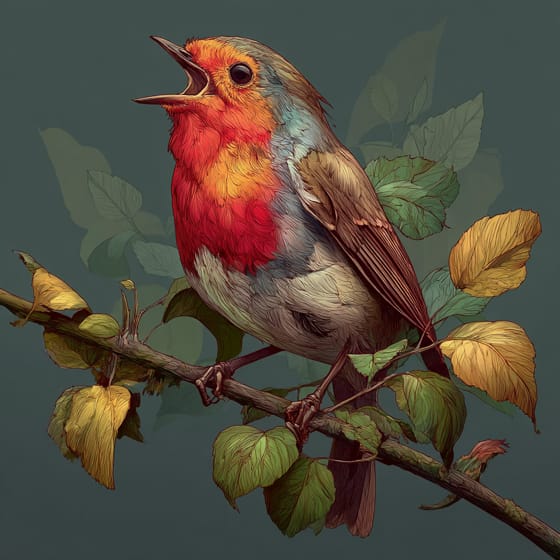
Turdus migratorius
eats berries, aids seed dispersal
Didelphis virginiana
eats berries, aids seed dispersal
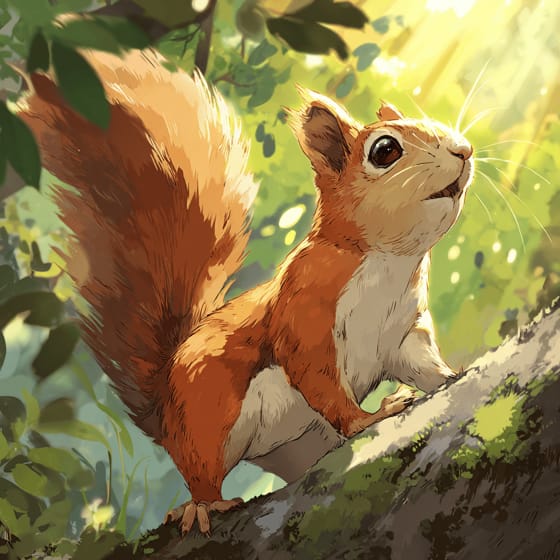
Sciurus carolinensis
eats berries, aids seed dispersal
Glomus intraradices
enhances nutrient uptake for the tree
Social animals live in organized groups, cooperating for survival benefits such as foraging, defense, and raising offspring.
Colorful describes organisms or objects displaying a wide range of bright and distinct colors.
This trait characterizes organisms whose diet consists entirely or primarily of plant material.
Forest habitats are terrestrial environments dominated by dense tree cover, supporting a high diversity of plant and animal life.

Diurnal animals are primarily active during daylight hours, typically resting or sleeping at night.
Danger
0/5 · No known danger
No special safety notes yet.
The easiest way to identify Red Mulberry is to use the Snappit nature identifier app.
1000-2000 cm
800-1500 cm
0.5-1.5 cm
Spring
Yes
Mild
Perennial
Zoom in to split clusters and explore where this object has been snapped.

Georgia, US
You might spot Riley's 13-Year Cicada, Joro Spider, and Asian Lady Beetle.
View guide →
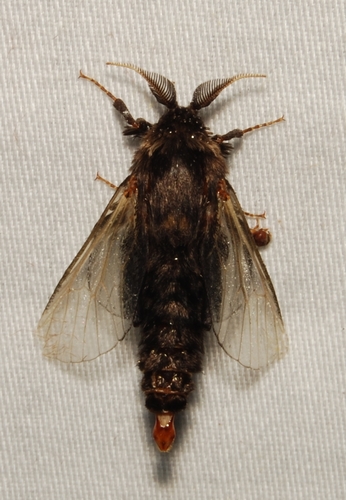
Virginia, US
You might spot Evergreen Bagworm Moth, Wild Indigos, and Silver Maple.
View guide →
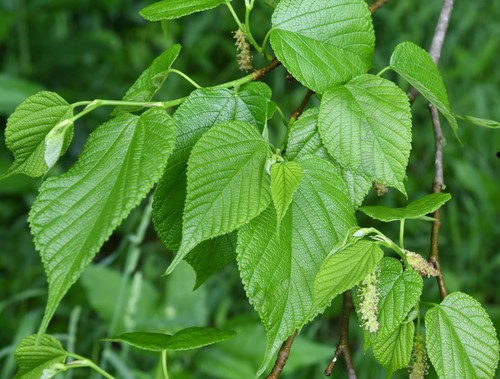
Virginia, US
You might spot Red Mulberry, Virginia Saxifrage, and Asters and Allies.
View guide →
Take the discovery with you
Snap it with Snappit to identify it, learn what makes it special, and add the discovery to your collection.








.jpg&width=800)



_001.jpg&width=800)




