





North Sulawesi Babirusa
babyrousa celebensis
The North Sulawesi Babirusa is a unique pig with long, curved tusks! These fascinating animals love to roam the forests of Indonesia.
Habitat: They live in the tropical forests of North Sulawesi, Indonesia.
The North Sulawesi Babirusa has distinct, sparsely haired greyish-brown skin that often appears wrinkled. Its most striking feature is the large, upward-curving tusks, especially prominent in males, where the upper canines can pierce through the snout.
Category
MammalsRarity
Rare
Danger
1/5 · Very low
Snaps
Be the first to snap!
Females have only two teats, typically birthing just one or two babies.
Male babirusa tusks are hollow and can be surprisingly fragile in fights!
Their unique pointed snout is very different from other pigs' typical flat 'disks'!
Wallowing in mud helps babirusas stay cool and protects their wrinkly skin!
North Sulawesi Babirusa has thick, wrinkly skin that helps protect them from thorny plants while moving through dense jungle.
North Sulawesi Babirusa males grow unique tusks that emerge through their snouts, used for display and sparring with rivals.
North Sulawesi Babirusa can use their strong, sensitive snout to expertly root around the soil for delicious roots and grubs.
They are omnivores, rooting for fallen fruits, mushrooms, and small animals on the forest floor.
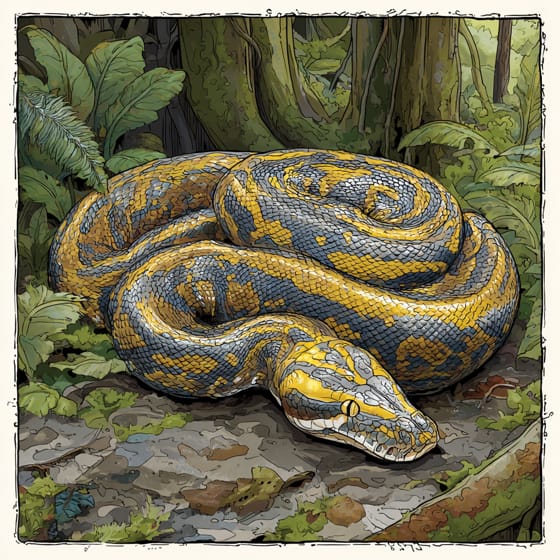
Python reticulatus
Large pythons prey on young babirusas.
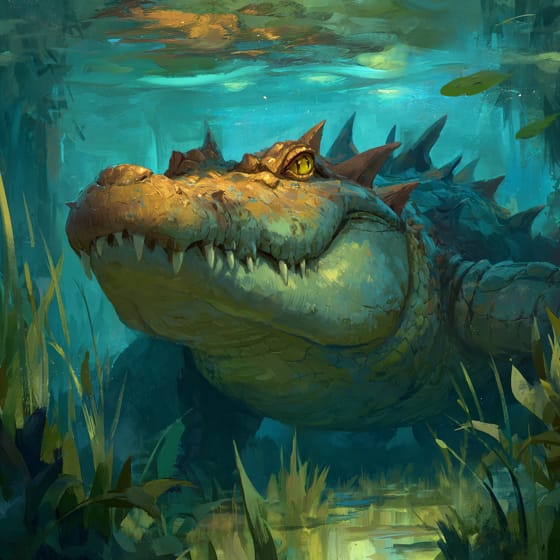
Crocodylus porosus
Adult babirusas are prey for large crocodiles.
Ficus racemosa
Consumes fallen figs, a vital part of its diet.
Canarium luzonicum
Forages for nuts from forest trees.
Solitary animals live alone for most of their lives, only interacting with others for mating or parental care.
This trait characterizes organisms whose diet consists entirely or primarily of plant material.
Forest habitats are terrestrial environments dominated by dense tree cover, supporting a high diversity of plant and animal life.
Nocturnal animals are primarily active during the nighttime hours, typically resting or sleeping during the day.

Endangered status indicates a species is at a very high risk of extinction in the wild in the near future.
Danger
1/5 · Very low
No special safety notes yet.
The easiest way to identify North Sulawesi Babirusa is to use the Snappit nature identifier app.
85-110 cm
60-100 kg
10-15 years
25 km/h
They are omnivores, rooting for fallen fruits, mushrooms, and small animals on the forest floor.
They live in the tropical forests of North Sulawesi, Indonesia.
Foraging
Zoom in to split clusters and explore where this object has been snapped.
Recent snaps will appear here as new observations are added.
Take the discovery with you
Snap it with Snappit to identify it, learn what makes it special, and add the discovery to your collection.




.jpg&width=800)




.JPG&width=800)


.jpg&width=800)
