





Northern Bald Ibis
Geronticus eremita
The Northern Bald Ibis is a unique bird with a bald head and long, curved beak. They are social birds that love to live in groups and can often be found near wetlands searching for food.
Habitat: Wetlands
The Northern Bald Ibis has glossy black plumage with an iridescent green-purple sheen. Its head and face are unfeathered, wrinkled, and reddish-pink, topped with a shaggy feather crest on its nape. It sports a long, decurved, red bill.
Category
BirdsRarity
Rare
Danger
1/5 · Very low
Snaps
Be the first to snap!
Ancient Egyptians considered these birds sacred, drawing them in hieroglyphs and art!
Its bald, wrinkled head helps this bird stay clean when digging deep for tasty underground snacks!
Scientists are teaching young birds migration routes using microlight aircraft for conservation!
These unique birds have existed for over 1.8 million years, making them truly ancient!
Northern Bald Ibis can nest on steep, inaccessible cliffs that helps them protect their young from predators.
Northern Bald Ibis has broad wings that helps them soar efficiently on thermals, saving energy during migration.
Northern Bald Ibis can probe deep into soil with its long, curved bill that helps them find hidden prey.
They use their long, curved bills to probe for insects, small reptiles, and other tasty treats in the soil.

Aquila chrysaetos
Eagles can prey on ibis chicks and eggs.
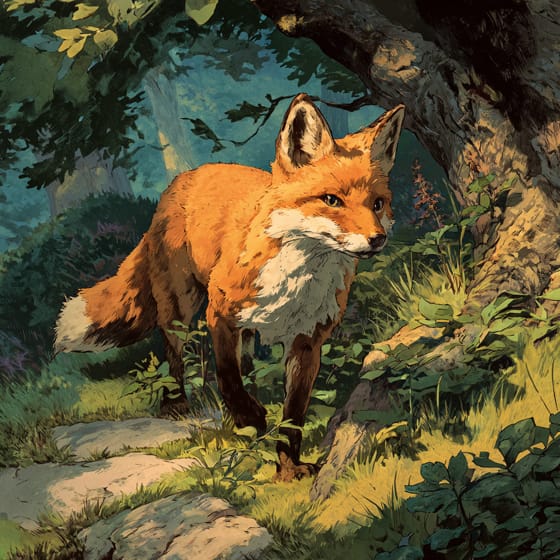
Vulpes vulpes
Foxes can raid nests for eggs and young birds.
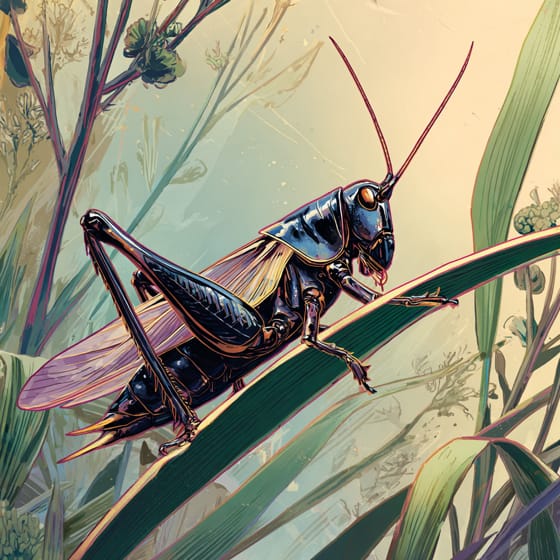
Gryllus campestris
Often probes soil to find and eat these insects.

Timon lepidus
Opportunistically hunts and consumes these reptiles.
Feathered describes animals, primarily birds, possessing a covering of feathers.
Social animals live in organized groups, cooperating for survival benefits such as foraging, defense, and raising offspring.
This trait identifies organisms whose diet primarily consists of insects and other small invertebrates.
This habitat trait identifies species found in wetlands, which are areas of land saturated with water, either permanently or seasonally, including marshes, swamps, and bogs.

This trait identifies organisms whose diet consists entirely or primarily of animal tissue.

Diurnal animals are primarily active during daylight hours, typically resting or sleeping at night.

Describes a species whose presence and role have a disproportionately large effect on its environment.

Endangered status indicates a species is at a very high risk of extinction in the wild in the near future.
Danger
1/5 · Very low
Always observe birds from a distance and do not disturb their nests.
The easiest way to identify Northern Bald Ibis is to use the Snappit nature identifier app.
70-80 cm
120-135 cm
1-1.8 kg
10-25 years
60 km/h
They use their long, curved bills to probe for insects, small reptiles, and other tasty treats in the soil.
Wetlands
Zoom in to split clusters and explore where this object has been snapped.
Recent snaps will appear here as new observations are added.
Take the discovery with you
Snap it with Snappit to identify it, learn what makes it special, and add the discovery to your collection.






.jpg&width=800)









