





Ocellated Lizard
Timon lepidus
The Ocellated Lizard is a colorful reptile with bright blue and green spots. It loves to bask in the sun and can be found in rocky areas, where it hides among the stones.
Habitat: Rocky areas
The Ocellated Lizard is a large, sturdy lizard with a vibrant green body and striking blue ocelli (eye-like spots) ringed in black along its sides. Its belly is typically yellowish-white, and juveniles often display a more muted brownish-grey coloration with scattered spots.
Category
ReptilesRarity
Common
Danger
1/5 · Very low
Snaps
Be the first to snap!
Their bright blue 'eye-spots' can sometimes change intensity, becoming brighter or duller.
These lizards can live for over 15 years, almost as long as some pet dogs!
They are excellent architects, digging complex burrows for safety and sleeping.
Young Ocellated Lizards start life with completely different brown or grey patterns!
The Ocellated Lizard can detach its tail to distract predators, giving them a chance to escape and grow a new one!
This lizard has powerful jaws that help it crush hard-shelled insects and even small bones of tiny prey.
The Ocellated Lizard basks in the sun to warm its body, which helps it digest food and stay active for hunting.
These omnivorous lizards munch on insects, fruit, and even tiny animals!
Age differences: Young lizards tend to eat more insects, while adults include more diverse items like fruit and small vertebrates.
Hieraaetus fasciatus
A significant aerial predator of the lizard.
Malpolon monspessulanus
A large snake that preys on these lizards.

Helix aspersa
A common food source for the lizard.
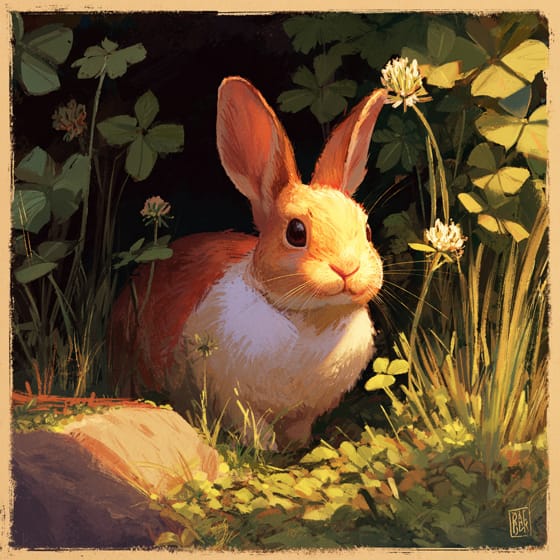
Oryctolagus cuniculus
Juvenile rabbits are sometimes prey for large adults.
Marked with spots or patches of a different color.
Solitary animals live alone for most of their lives, only interacting with others for mating or parental care.
Colorful describes organisms or objects displaying a wide range of bright and distinct colors.
This trait identifies organisms whose diet primarily consists of insects and other small invertebrates.

Thermoregulating organisms maintain a stable internal body temperature despite fluctuations in the external environment.

Diurnal animals are primarily active during daylight hours, typically resting or sleeping at night.
No aliases listed yet.
Danger
1/5 · Very low
Always watch from a distance and don't try to touch wild lizards.
The easiest way to identify Ocellated Lizard is to use the Snappit nature identifier app.
40-70 cm
0.2-0.5 kg
10-20 years
20 km/h
These omnivorous lizards munch on insects, fruit, and even tiny animals!
Rocky areas
Foraging
Zoom in to split clusters and explore where this object has been snapped.
Recent snaps will appear here as new observations are added.
Take the discovery with you
Snap it with Snappit to identify it, learn what makes it special, and add the discovery to your collection.














