



Northern Curly-tailed Lizard
Leiocephalus carinatus
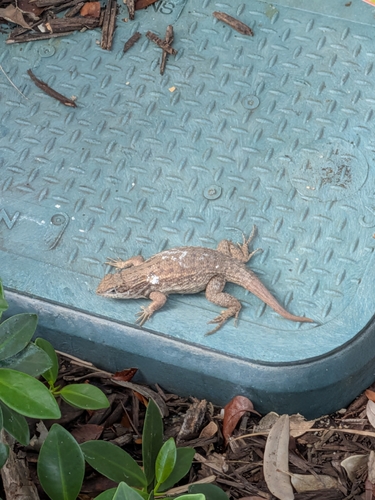
The Northern Curly-tailed Lizard is a small, colorful lizard that loves to bask in the sun. It has a curly tail that helps it balance and look extra cute!
Habitat: Coastal areas
The Northern Curly-tailed Lizard has a long, strikingly curled tail that spirals upwards. Its body is typically brown or gray with dark crossbands, and males often display iridescent blue or green on their heads and throats, making them distinctive from other local lizards.
Category
ReptilesRarity
Common
Danger
1/5 · Very low
Snaps
28
Males do push-ups to show off and defend territory.
Their tails often spiral like a corkscrew!
These lizards are not native to Florida, they were introduced!
They can sometimes drop their tails to escape danger.
Northern Curly-tailed Lizard can curl its tail high because this unique posture helps them communicate their presence and territorial claims to rivals.
Northern Curly-tailed Lizard can warm up fast because their dark scales quickly absorb sunlight, giving them energy for hunting and escaping.
Northern Curly-tailed Lizard can run incredibly fast because long, powerful hind legs provide bursts of speed to evade predators swiftly.
These lizards are opportunistic eaters, munching on a variety of insects and sometimes even small plants!
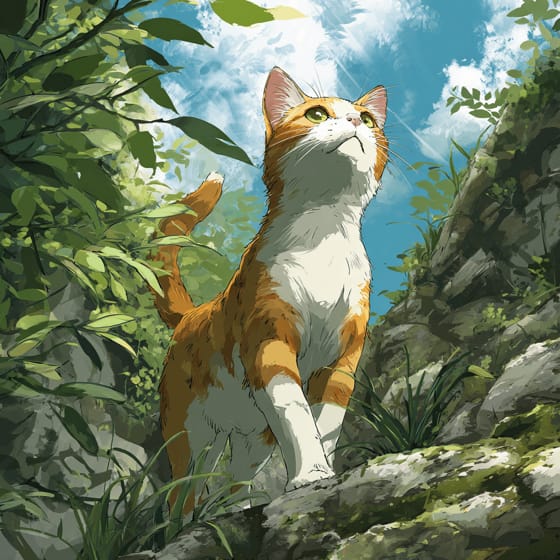
Felis catus
Feral and pet cats frequently hunt them.
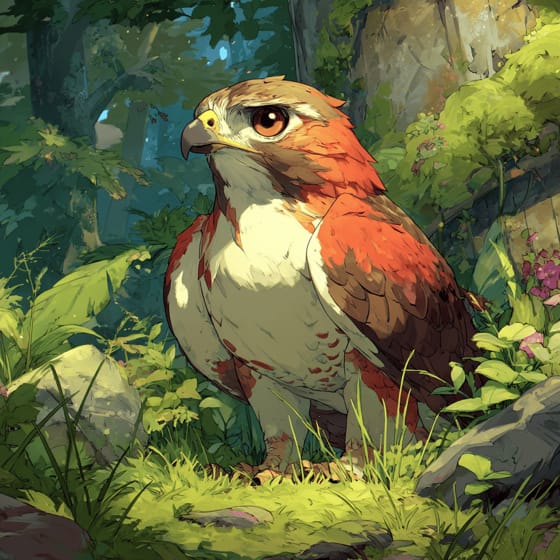
Buteo jamaicensis
Birds of prey are common predators.
Anolis carolinensis
They opportunistically prey on smaller lizards.

Blatta orientalis
Commonly consumes various insect species.
Crested describes animals possessing a prominent tuft of feathers, hair, or skin on their head.
Arboreal animals live primarily in trees, utilizing them for shelter, food, and protection from predators.
Camouflaged describes organisms that possess coloring or patterns that allow them to blend into their environment.
Colorful describes organisms or objects displaying a wide range of bright and distinct colors.

This trait identifies organisms whose diet primarily consists of insects and other small invertebrates.

Coastal habitats are dynamic environments located along the interface between land and sea, influenced by tides, waves, and saltwater.

Diurnal animals are primarily active during daylight hours, typically resting or sleeping at night.

This trait identifies organisms that exhibit exceptional swiftness in movement for hunting, escape, or travel.
No aliases listed yet.
Danger
1/5 · Very low
Always watch from a distance and don't try to catch them; they are best left in the wild.
The easiest way to identify Northern Curly-tailed Lizard is to use the Snappit nature identifier app.
18-30 cm
0.02-0.05 kg
3-6 years
25 km/h
These lizards are opportunistic eaters, munching on a variety of insects and sometimes even small plants!
Coastal areas
Ambush
Zoom in to split clusters and explore where this object has been snapped.
Apr 3, 2026
Collins Waterfront Architectural DistrictPhoto attribution
no rights reserved
License: CC0 1.0 ↗
Image may be shown cropped inside the card frame.

Florida, US
You might spot Crested Anole, Brown Anole, and Peters's Rock Agama.
View guide →

Florida, US
You might spot White Ibis, Green Iguana, and Black-Crowned Night Heron.
View guide →

US
You might spot Laughing Gull, Brown Anole, and Green Iguana.
View guide →

US
You might spot Nurse Shark, Sea Turtle, and Cownose Ray.
View guide →

Florida, US
You might spot Green Iguana, Brown Basilisk, and Great Blue Heron.
View guide →

Florida, US
You might spot Brown Anole and Northern Curly-Tailed Lizard.
View guide →
Take the discovery with you
Snap it with Snappit to identify it, learn what makes it special, and add the discovery to your collection.