





Northern Dusky Salamander
Desmognathus fuscus
The Northern Dusky Salamander is a small, slimy creature that loves to live in cool, wet places. They have smooth skin and can be found hiding under rocks or logs in the forest.
Habitat: Forests
The Northern Dusky Salamander is dark brown or grayish, often with faint darker spots or blotches. It has a distinctive pale line extending from its eye to the corner of its jaw. Its tail is keeled, appearing somewhat flattened from top to bottom.
Category
AmphibiansRarity
Common
Danger
1/5 · Very low
Snaps
8
Larvae have gills, but adults breathe through skin and lungs.
Northern Dusky Salamanders use special organs to 'smell' their surroundings.
Their sticky tongue shoots out super fast to catch unsuspecting bugs!
They can squish into tiny cracks to hide from danger!
Northern Dusky Salamander can breathe underwater and on land through its moist skin, because it has specialized pores that absorb oxygen.
Northern Dusky Salamander can drop its tail when caught by a predator, because this distraction helps it escape danger and grow a new one.
Northern Dusky Salamander has amazing mothers that guard their eggs for weeks, helping them stay safe until they hatch.
These tiny hunters eat small bugs and worms they find hiding near streams and moist places.
Age differences: Young larvae mostly eat tiny aquatic invertebrates in the water.
Thamnophis sirtalis
A common predator in its moist woodland habitat.
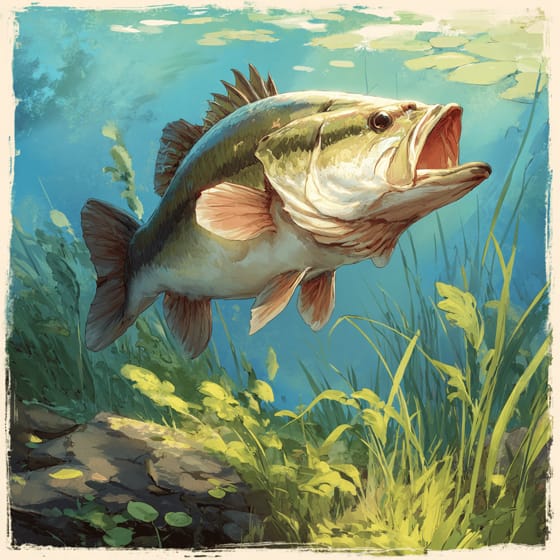
Micropterus salmoides
Larger fish may prey on salamanders in streams.
Sorex cinereus
Small mammals sometimes prey on ground-dwelling salamanders.
Orchesella cincta
A common small insect prey found in damp leaf litter.
Solitary animals live alone for most of their lives, only interacting with others for mating or parental care.
Camouflaged describes organisms that possess coloring or patterns that allow them to blend into their environment.
This trait identifies organisms whose diet primarily consists of insects and other small invertebrates.
Describes organisms that break down dead organic material, recycling nutrients back into the ecosystem.

Forest habitats are terrestrial environments dominated by dense tree cover, supporting a high diversity of plant and animal life.

This habitat trait identifies species found in wetlands, which are areas of land saturated with water, either permanently or seasonally, including marshes, swamps, and bogs.

Regenerative organisms possess the ability to regrow lost or damaged body parts, tissues, or organs.

Nocturnal animals are primarily active during the nighttime hours, typically resting or sleeping during the day.

Endangered status indicates a species is at a very high risk of extinction in the wild in the near future.
No aliases listed yet.
Danger
1/5 · Very low
If you see a salamander, watch it from a distance and don't touch it, as they can be sensitive.
The easiest way to identify Northern Dusky Salamander is to use the Snappit nature identifier app.
7.5-14 cm
0.003-0.015 kg
10-15 years
These tiny hunters eat small bugs and worms they find hiding near streams and moist places.
Forests
Ambush
15-30
Zoom in to split clusters and explore where this object has been snapped.

Massachusetts, US
You might spot Common Eastern Bumble Bee and Eastern Skunk Cabbage.
View guide →

Vermont, US
You might spot Eastern White Pine, Staghorn Sumac, and Box Elder.
View guide →

Vermont, US
You might spot Eastern White Pine, Staghorn Sumac, and Box Elder.
View guide →

Connecticut, US
You might spot Red Trillium, Mountain Laurel, and Striped Maple.
View guide →

Connecticut, US
You might spot Eastern Newt, Eastern Skunk Cabbage, and Christmas Fern.
View guide →

Ohio, US
You might spot Large White Trillium, Virginia Saxifrage, and Bloodroot.
View guide →
Take the discovery with you
Snap it with Snappit to identify it, learn what makes it special, and add the discovery to your collection.






.JPG&width=800)


.jpg&width=800)

