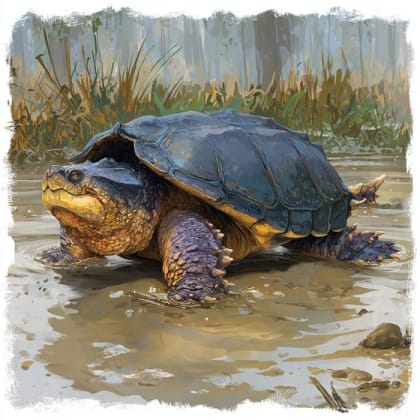
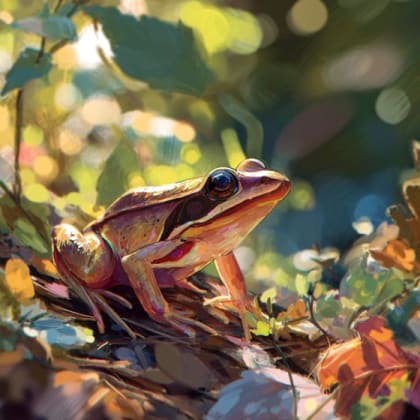
Green Frog

Experience horticultural beauty and inspiration at Berkshire Botanical Garden.
Experience horticultural beauty and inspiration at Berkshire Botanical Garden. This 24-acre "museum of living things" offers a vibrant tapestry of gardens that have charmed visitors since 1934. Emphasizing plants native to the Northeast and those thriving in USDA Zone 5b, the garden provides both aesthetic delight and educational opportunities in the scenic Stockbridge, Massachusetts.
Wander through dozens of unique garden spaces, each illustrating distinct design concepts and plant selections. Highlights include the historic 1937 Herb Garden, maintained by dedicated volunteers, and the contemplative Pond Garden. Discover hundreds of shrub roses in the informal Rose Garden, a David Austin Roses trial ground, or explore the Children's Discovery Garden, a vibrant space with a playhouse, chicken coop, and edible plants. The Daylily Walk, an American Daylily Society Display Garden, showcases over 200 cultivars and is particularly stunning in July and August.
Whether you're a seasoned gardener, a nature enthusiast, or seeking a peaceful family outing, Berkshire Botanical Garden offers a memorable experience. It serves as a vital resource for horticultural education and environmental preservation, providing a serene escape and a source of inspiration throughout the growing season. The ever-changing seasonal plantings ensure there's always something new to discover, making each visit unique and engaging. Turn your visit into a safari! Use the Snappit app to scan and log wildlife sightings here.
Founded in 1934 as the Berkshire Garden Center, the Berkshire Botanical Garden was established by a group of local garden clubs and civic associations, spearheaded by the Lenox Garden Club. The initial land was donated by Bernhard and Irene Hoffman, who later expanded the site to its current 15 acres, including a 1790 farmhouse that now serves as the Center House. Early contributions included a noteworthy collection of daylilies from the New York Botanical Garden, quickly bolstering its plant collection. The garden quickly grew in prominence, participating in the New York World's Fair in 1939 with an exhibition of native trees. During World War II, it established a Victory Garden to educate the community on growing food, earning a National Victory Garden Institute Award in 1946 for its contributions to the war effort. Over the decades, the garden has continuously evolved, introducing new display areas, educational programs, and events, cementing its role as a leading center for horticulture in the Berkshires.
Stroll through diverse display gardens, admire seasonal blooms, engage with educational exhibits, and attend workshops or special events. Picnicking is permitted throughout the grounds. Guided public tours are offered daily from June 1 through September 1 at 11:00 a.m., free with admission.
Spring: Enjoy fresh growth, early blooms, and the awakening of the gardens.
Summer: Lush foliage, vibrant roses, daylilies, and many perennial borders in full color.
Fall: Autumnal colors, the Harvest Festival, and other end-of-season events.
Winter: The outdoor gardens are closed, but the garden offers year-round classes and events. A new "Glass House" conservatory is planned to offer year-round indoor exhibits of tropical and arid plants.
The garden features a mix of accessible paths, lawns, and garden beds. Many areas are wheelchair-friendly, and ADA-compliant parking is available. Wheelchairs can be reserved in advance. Some garden areas may have variable terrain (gravel and mulch paths) and stone steps, but these are often viewable from accessible points. Accessible and inclusive restrooms are located in the Education Center and Center House.
The oldest continuously planted area, established in 1937, featuring medicinal, culinary, and ornamental herbs.
Home to hundreds of shrub roses, including English roses trialed in collaboration with David Austin Roses.
An interactive space with a playhouse, chicken coop, and edible plants, designed for hands-on learning.
An American Daylily Society Display Garden showcasing over 200 cultivars.
Each card links to a full Explore page with photos, traits, and fun facts.
Start with the big picture, then zoom in to explore individual wildlife observations around this place.
Wear comfortable shoes
The garden covers 24 acres with varied terrain, so comfortable footwear is recommended.
Bring water and snacks
Especially on warm days, staying hydrated is important. Picnicking is allowed.
Check the events calendar
The garden hosts numerous workshops, classes, and special events like the Harvest Festival; plan your visit to coincide with an event that interests you.
Visit during peak bloom
For specific plant interests, check what's in bloom before you go (e.g., July/August for daylilies, early summer for roses).
Utilize the Visitor Center
Grab a map, ask questions, and check for current exhibits or guided tours.
Consider public transport
The garden is accessible via the Berkshire Regional Transit Authority's Route 21.
May 22, 2026
Photo attribution
no rights reserved
License: CC0 1.0 ↗
Image may be shown cropped inside the card frame.
May 22, 2026
Photo attribution
no rights reserved
License: CC0 1.0 ↗
Image may be shown cropped inside the card frame.
May 17, 2026
Photo attribution
no rights reserved
License: CC0 1.0 ↗
Image may be shown cropped inside the card frame.
May 17, 2026
Photo attribution
no rights reserved
License: CC0 1.0 ↗
Image may be shown cropped inside the card frame.
May 17, 2026
Photo attribution
no rights reserved
License: CC0 1.0 ↗
Image may be shown cropped inside the card frame.

Maryland, US
You might spot White-Tailed Deer and Eastern Gray Squirrel.
View guide →
.jpg)
District of Columbia, US
You might spot Eastern Gray Squirrel, Duck, and House Sparrow.
View guide →

Illinois, US
You might spot American Robin, Canada Goose, and House Sparrow.
View guide →

Virginia, US
You might spot Spotted Lanternfly and Northern Cardinal.
View guide →
Take the discovery with you
Identify the wildlife you spot, learn as you go, and keep a collection of the adventure.