





Northern Pearly-eye
Lethe anthedon
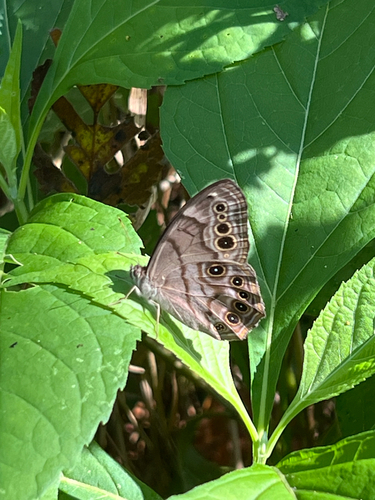
The Northern Pearly-eye is a beautiful butterfly with big, round eyes on its wings. It loves to flutter around in sunny spots and can be found resting on tree trunks.
Habitat: Forests
The Northern Pearly-eye has dull brownish-orange wings, with males slightly darker than females. Its defining feature is a row of 3-4 prominent, black, white-ringed eyespots on each hindwing, resembling small pearls. These spots distinguish it from most other woodland butterflies.
Category
InsectsRarity
Common
Danger
1/5 · Very low
Snaps
8
It loves to sip tree sap and juice from rotting fruit more than flower nectar!
Its caterpillar cleverly hides by rolling up the edges of grass blades.
Only found in North America, often seen fluttering through shady forests.
They are part of the "brush-footed" butterfly family, with tiny front legs!
Northern Pearly-eye has bold eyespots on its wings that help them startle predators, making them hesitate and giving the butterfly time to escape.
Northern Pearly-eye can blend seamlessly into its woodland home because its dull brown wings perfectly mimic dead leaves or tree bark.
Northern Pearly-eye can fly with quick, unpredictable zig-zags that make it very difficult for birds and other predators to catch them mid-air.
Adults sip tree sap and nectar, while caterpillars munch on various leafy grasses.
Age differences: Caterpillars eat grasses, while adults primarily feed on tree sap and rotting fruit.
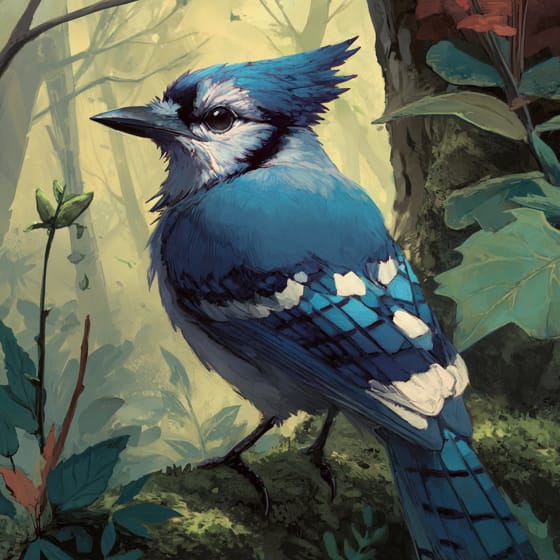
Cyanocitta cristata
Birds prey on adult butterflies and caterpillars.

Peromyscus leucopus
Rodents may eat caterpillars and pupae found on the ground.
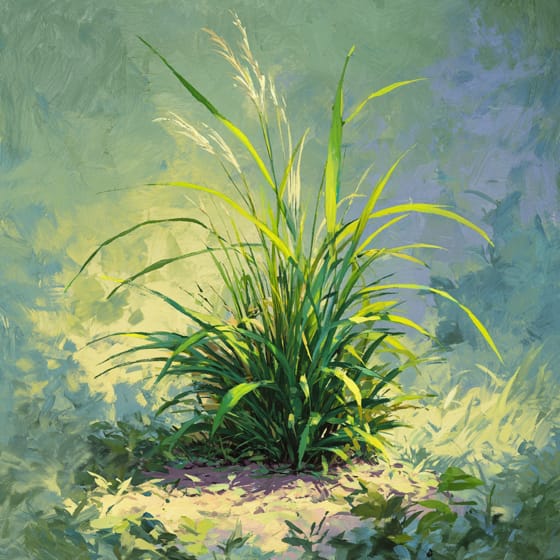
Poa pratensis
Caterpillars feed on leaves of various grasses, including this common species.

Acer saccharum
Adults often feed on fermenting sap from wounds in maple trees.
Marked with spots or patches of a different color.
Solitary animals live alone for most of their lives, only interacting with others for mating or parental care.
Colorful describes organisms or objects displaying a wide range of bright and distinct colors.
This trait characterizes organisms whose diet consists entirely or primarily of plant material.

Describes plants that are particularly attractive and beneficial to a wide range of pollinating organisms.

Forest habitats are terrestrial environments dominated by dense tree cover, supporting a high diversity of plant and animal life.

Diurnal animals are primarily active during daylight hours, typically resting or sleeping at night.

Describes organisms that transfer pollen, enabling the fertilization and reproduction of plants.
No aliases listed yet.
Danger
1/5 · Very low
Always watch butterflies from a distance and don't try to catch them.
The easiest way to identify Northern Pearly-eye is to use the Snappit nature identifier app.
45-60 mm
20-30 mm
7-21 days
8-20 km/h
Adults sip tree sap and nectar, while caterpillars munch on various leafy grasses.
Forests
Foraging
Zoom in to split clusters and explore where this object has been snapped.
Sep 18, 2025
The State Botanical Garden of GeorgiaPhoto attribution
(c) Alex Stach, some rights reserved (CC BY)
License: CC BY 4.0 ↗
Image may be shown cropped inside the card frame.
.jpg)
Virginia, US
You might spot Great Blue Heron and Canada Goose.
View guide →

Indiana, US
You might spot Common Reed, Rosepink, and Bearberry.
View guide →

Virginia, US
You might spot Kiwi Bubbles and Eastern Skunk Cabbage.
View guide →

Iowa, US
You might spot House Sparrow and Common Eastern Bumble Bee.
View guide →

Illinois, US
You might spot Northern Cardinal, Eastern Pondhawk, and Common Watersnake.
View guide →

West Virginia, US
You might spot Virginia Bluebells, Bloodroot, and Maidenhair Spleenwort.
View guide →
Take the discovery with you
Snap it with Snappit to identify it, learn what makes it special, and add the discovery to your collection.







.jpg&width=800)


