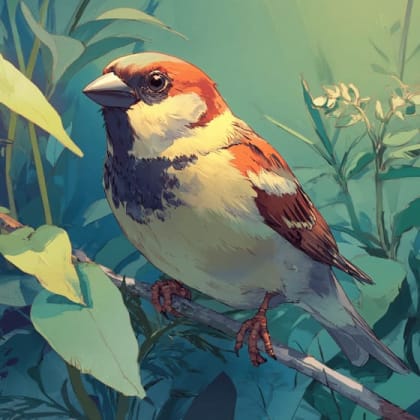





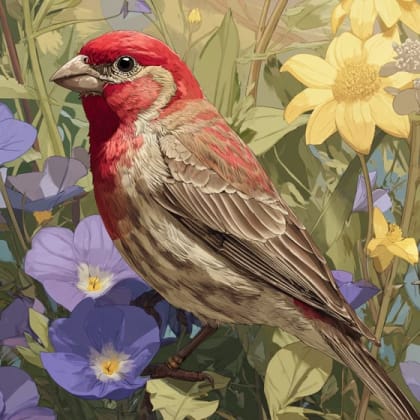
House Sparrow

Hickory Hill Park is a vast natural sanctuary in Iowa City offering diverse ecosystems for urban escape.
Hickory Hill Park is a vast natural sanctuary in Iowa City offering diverse ecosystems for urban escape. This 185-acre urban nature preserve provides a tranquil retreat with its sprawling woodlands, wetlands, reconstructed prairies, and open fields, all centered around the scenic Ralston Creek and its tributaries. It stands out as a unique natural haven, providing solitude and contemplation amidst the expanding urban landscape of Iowa City.
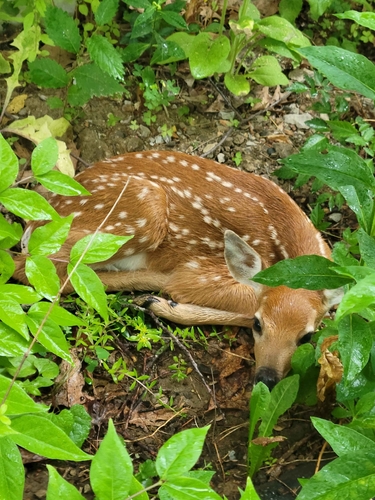
The park boasts miles of primitive trails, varying from limestone to wood-chip and dirt paths, perfect for hiking, trail running, and leisurely walks. Nature enthusiasts can explore a rich tapestry of habitats, including mature oak-hickory woodlands, vibrant reconstructed prairies adorned with wildflowers like coneflowers, and areas rich with native plants such as Bee Balm, which attracts various pollinators. It's also an exceptional spot for birdwatching, especially during spring migration when 24 to 27 warbler species, including the American Redstart and Yellow Warbler, pass through, alongside year-round residents like the Northern Cardinal, American Robin, Barred Owl, and various woodpeckers. Keep an eye out for White-breasted Nuthatches flitting amongst the trees and deer grazing in the quieter spots.
Hickory Hill Park offers an invaluable opportunity to connect with nature without venturing far from the city. Its preserved natural environment provides year-round recreational opportunities, from serene walks under the canopy of Shagbark Hickory and Black Walnut trees to adventurous cross-country skiing in winter. The park's commitment to maintaining its natural character, aided by the dedicated "Friends of Hickory Hill Park," ensures a memorable and refreshing experience for all who visit, making it an ideal destination to escape the daily hustle and immerse oneself in Iowa's natural beauty. Turn your visit into a safari! Use the Snappit app to scan and log wildlife sightings here.
Hickory Hill Park's origins trace back to 1927 when a 40-acre parcel of wood lots and farm fields was acquired for the expansion of the adjacent Oakland Cemetery. Over time, the land gradually naturalized, and an additional 50 acres were added in 1952. The area was formally dedicated as a city park in 1968, thanks to the efforts of citizens like Dee Norton. Further expansion occurred in the 1980s, bringing the park to approximately 190 acres, partly as a storm water control project that included the construction of a large retention dam. In 1999, the "Friends of Hickory Hill Park" non-profit organization was founded by local residents to safeguard the park's unique natural qualities and advocate for its preservation against encroaching development.
Enjoy hiking, trail running, and nature walks. Participate in birdwatching, especially during spring migration, or observe other wildlife. Picnicking is an option in designated areas. In winter, cross-country skiing and sledding are popular activities.
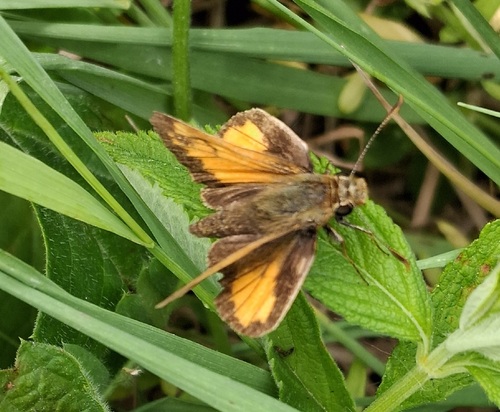
Spring brings vibrant wildflowers and a flurry of migratory birds, while fall transforms the landscape with rich colors. Summer offers lush greenery and numerous butterflies in the prairie sections. Winter provides a serene, snow-covered landscape ideal for winter sports. Weather conditions can vary significantly by season, so dress accordingly.
Accessible amenities, including designated parking spots and sidewalks leading to shelters and restrooms, are available at the North and South End entrances. However, most trails within the park are primitive (limestone, wood-chip, or dirt) and may not be fully wheelchair or stroller accessible due to uneven terrain and hilly sections.
Explore the diverse ecosystems of oak-hickory woodlands and reconstructed prairie. Follow the flow of Ralston Creek, and look for the historical remains of an old ice dam and ice house. The park is an excellent place to spot various bird species and local wildlife like deer.
Each card links to a full Explore page with photos, traits, and fun facts.










































Start with the big picture, then zoom in to explore individual wildlife observations around this place.
Wear appropriate footwear
The park's trails are primitive and can be muddy, hilly, or uneven, so sturdy hiking shoes are recommended.
Bring binoculars
Hickory Hill Park is a premier birdwatching destination, especially during spring migration, so binoculars will enhance your experience.
Stay hydrated and bring snacks
While some entrances have restrooms and drinking fountains, these may be seasonal, and it's always wise to carry your own water and snacks.
Keep dogs leashed
If visiting with a dog, ensure it remains on a leash to protect wildlife and ensure a pleasant experience for all visitors.
Be aware of seasonal hazards
In warmer months, be mindful of ticks and potential poison ivy.
Utilize designated parking
Main parking lots are available at the North Entrance (800 Conklin Street) and South Entrance (1439 Bloomington Street).
Jun 5, 2026
Photo attribution
(c) Barrett Coller Jr., some rights reserved (CC BY)
License: CC BY 4.0 ↗
Image may be shown cropped inside the card frame.
May 31, 2026
Photo attribution
(c) eeyipes, some rights reserved (CC BY)
License: CC BY 4.0 ↗
Image may be shown cropped inside the card frame.
May 31, 2026
Photo attribution
(c) eeyipes, some rights reserved (CC BY)
License: CC BY 4.0 ↗
Image may be shown cropped inside the card frame.
May 31, 2026
Photo attribution
(c) eeyipes, some rights reserved (CC BY)
License: CC BY 4.0 ↗
Image may be shown cropped inside the card frame.
May 31, 2026
Photo attribution
(c) eeyipes, some rights reserved (CC BY)
License: CC BY 4.0 ↗
Image may be shown cropped inside the card frame.

Maryland, US
You might spot White-Tailed Deer and Eastern Gray Squirrel.
View guide →
.jpg)
District of Columbia, US
You might spot Eastern Gray Squirrel, Duck, and House Sparrow.
View guide →

Illinois, US
You might spot American Robin, Canada Goose, and House Sparrow.
View guide →

Virginia, US
You might spot Spotted Lanternfly and Northern Cardinal.
View guide →
Take the discovery with you
Identify the wildlife you spot, learn as you go, and keep a collection of the adventure.