.jpg&width=800)





Northern Spreadwing
Lestes disjunctus
The Northern Spreadwing is a beautiful dragonfly that loves to flutter around ponds and wetlands. With its long body and delicate wings, it can often be seen resting on leaves or flying gracefully over the water.
Habitat: Wetlands
The Northern Spreadwing is a slender damselfly, often displaying metallic green, bronze, or bluish hues on its body. Its clear wings are distinctively held wide apart when resting, a key feature differentiating it from most other damselflies.
Category
InsectsRarity
Common
Danger
1/5 · Very low
Snaps
Be the first to snap!
Some damselflies can change their body color based on temperature or age!
Their eyes have thousands of tiny lenses for spotting the smallest prey!
Their young live underwater for months, completely hidden from sight!
They hold wings wide open when resting, giving them their 'spreadwing' name!
Northern Spreadwing can hold its wings wide open even at rest, which helps it warm up faster by soaking in the sun's rays.
Northern Spreadwing nymphs have special gills that allow them to breathe underwater, helping them stay hidden from predators.
Northern Spreadwing can hover and dart quickly in the air, allowing it to expertly catch tiny flying insects mid-flight.
These swift hunters keep insect populations in check, eating many small flying bugs!
Age differences: Nymphs eat aquatic invertebrates like mosquito larvae; adults eat flying insects.
Culex pipiens
Keeps mosquito populations balanced in wetlands.

Sayornis phoebe
An important food source for insect-eating birds.
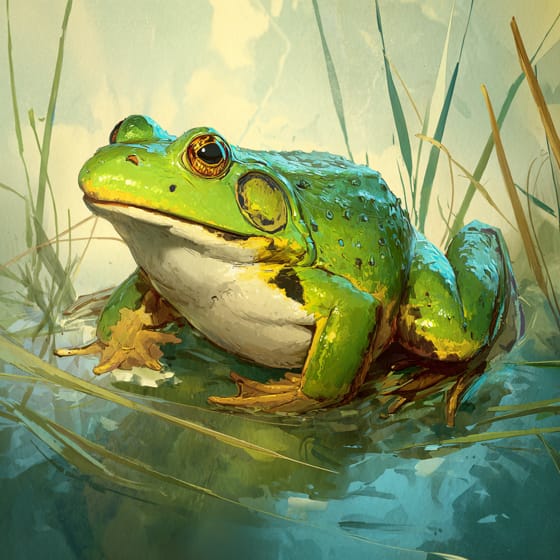
Lithobates clamitans
Adults can become a meal for hungry amphibians.
Solitary animals live alone for most of their lives, only interacting with others for mating or parental care.
Aerial creatures spend a significant portion of their lives airborne, utilizing flight for various activities such as hunting, migration, or nesting.
Colorful describes organisms or objects displaying a wide range of bright and distinct colors.
This trait identifies organisms whose diet primarily consists of insects and other small invertebrates.

This habitat trait identifies species found in wetlands, which are areas of land saturated with water, either permanently or seasonally, including marshes, swamps, and bogs.

This trait identifies organisms whose diet consists entirely or primarily of animal tissue.

Diurnal animals are primarily active during daylight hours, typically resting or sleeping at night.

Freshwater habitats include non-saline aquatic environments such as rivers, lakes, ponds, and wetlands, vital for numerous species.

Describes organisms that transfer pollen, enabling the fertilization and reproduction of plants.
No aliases listed yet.
Danger
1/5 · Very low
Watch these insects from a distance and don't try to catch them, as they are delicate.
The easiest way to identify Northern Spreadwing is to use the Snappit nature identifier app.
40-55 mm
30-40 mm
30-60 days
These swift hunters keep insect populations in check, eating many small flying bugs!
Wetlands
Pursuit
6
Zoom in to split clusters and explore where this object has been snapped.
Recent snaps will appear here as new observations are added.
Take the discovery with you
Snap it with Snappit to identify it, learn what makes it special, and add the discovery to your collection.








.jpg&width=800)



