





Pine Hawkmoth
Sphinx pinastri
The Pine Hawkmoth is a big, fluffy moth that loves to fly around pine trees at night. Its wings are brown with beautiful patterns, making it look like a tiny piece of art in the sky!
Habitat: Forests
The Pine Hawkmoth has a sleek, torpedo-shaped body and narrow, pointed wings. Its forewings are mottled grey and brown with distinct black streaks, perfectly mimicking pine bark, while the hindwings are plain greyish-brown. Its slender body helps it move quickly through the air.
Category
InsectsRarity
Common
Danger
1/5 · Very low
Snaps
Be the first to snap!
Adult Pine Hawkmoths can fly backwards for a short distance!
Its scientific name, Sphinx, comes from the caterpillar's unique upright pose.
Some Pine Hawkmoths migrate long distances to warmer places in autumn.
They are nocturnal, meaning they are most active when the sun goes down.
Pine Hawkmoths can fly incredibly fast and hover like a hummingbird, helping them escape predators and find nectar.
The Pine Hawkmoth has a long, coiled proboscis (tongue) that can reach deep into flowers to sip sweet nectar.
Caterpillars munch pine needles; adults sip nectar from flowers.
Age differences: Larvae eat pine needles, while adults drink nectar from flowers.
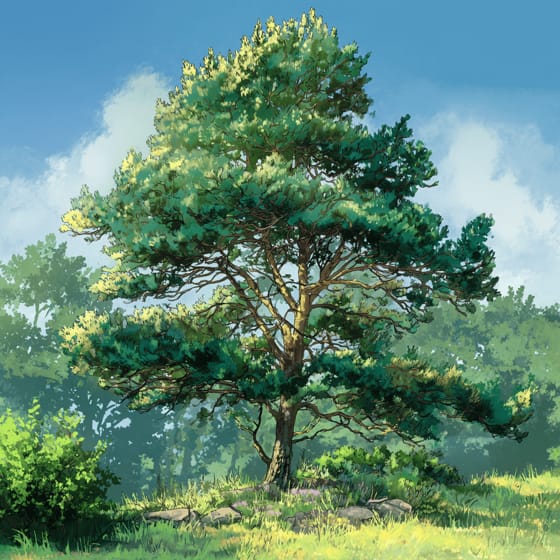
Pinus sylvestris
Larvae feed on the needles of this tree.
Pinus nigra
Caterpillars also eat needles from Black Pine trees.
Plecotus auritus
Bats are nocturnal predators that hunt flying moths.
%2C_Parc_de_Woluw%C3%A9%2C_Brussels_(13042792905).jpg&width=800)
Parus major
Birds, like tits, prey on the caterpillars.

Lonicera periclymenum
Adult moths visit flowers to drink nectar and pollinate them.
Furry describes animals possessing a dense covering of soft hair or fur.
Camouflaged describes organisms that possess coloring or patterns that allow them to blend into their environment.
This trait characterizes organisms whose diet consists entirely or primarily of plant material.
Describes plants that are particularly attractive and beneficial to a wide range of pollinating organisms.

Forest habitats are terrestrial environments dominated by dense tree cover, supporting a high diversity of plant and animal life.

This trait identifies organisms that exhibit exceptional swiftness in movement for hunting, escape, or travel.

Nocturnal animals are primarily active during the nighttime hours, typically resting or sleeping during the day.

Describes organisms that transfer pollen, enabling the fertilization and reproduction of plants.
No aliases listed yet.
Danger
1/5 · Very low
Moths are usually safe to watch, but don't touch them as they can be delicate.
The easiest way to identify Pine Hawkmoth is to use the Snappit nature identifier app.
70-90 mm
60-80 mm
10-20 days
40 km/h
Caterpillars munch pine needles; adults sip nectar from flowers.
Forests
Foraging
Zoom in to split clusters and explore where this object has been snapped.
Recent snaps will appear here as new observations are added.
Take the discovery with you
Snap it with Snappit to identify it, learn what makes it special, and add the discovery to your collection.







.jpg&width=800)



