





Juvenal's Duskywing
Erynnis juvenalis
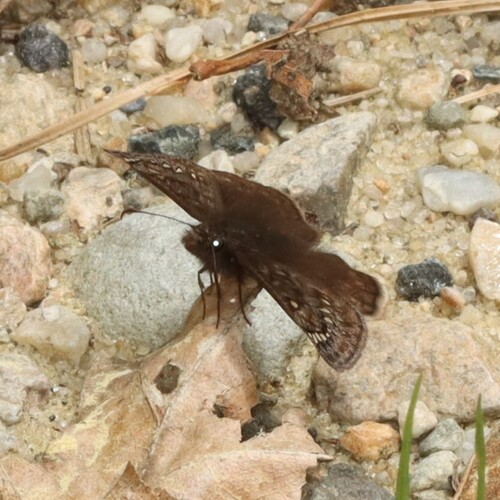
Juvenal's Duskywing is a small butterfly with dark brown wings and white spots. They love to flutter around in sunny areas and are often found resting on leaves or flowers.
Habitat: Open fields and woodlands
The Juvenal's Duskywing is a medium-sized butterfly with dark, mottled brown wings, often appearing blackish. Its forewings typically have a few small, translucent white spots near the tip, and its hindwings have distinct, often dusty-purple underwings. The wing fringes are subtly checkered.
Category
InsectsRarity
Common
Danger
1/5 · Very low
Snaps
27
Adult Juvenal's Duskywings love to sip nectar from early spring wildflowers.
Males have a secret scent patch on their wings to attract females!
Their dark colors help them absorb sunlight, warming them up on cool spring days.
This butterfly spends winter as a caterpillar, snuggled in an oak leaf cocoon!
Juvenal's Duskywing caterpillars can roll themselves inside oak leaves for shelter and camouflage, protecting them from hungry birds.
Juvenal's Duskywing has a fast, erratic flight pattern that helps them dodge predators and quickly move between nectar sources.
Juvenal's Duskywing emerges early in spring, allowing them to find fresh oak leaves for their caterpillars before other insects.
As caterpillars, they munch on oak leaves; adults sip sweet flower nectar.
Age differences: Larvae eat oak leaves, while adult butterflies feed on flower nectar.
Marked with spots or patches of a different color.
Grassland habitats are terrestrial biomes dominated by grasses and herbaceous plants, supporting a variety of grazing animals.
This trait characterizes organisms whose diet consists entirely or primarily of plant material.
Describes plants that are particularly attractive and beneficial to a wide range of pollinating organisms.

Forest habitats are terrestrial environments dominated by dense tree cover, supporting a high diversity of plant and animal life.

Diurnal animals are primarily active during daylight hours, typically resting or sleeping at night.

This trait identifies organisms that exhibit exceptional swiftness in movement for hunting, escape, or travel.

Describes organisms that transfer pollen, enabling the fertilization and reproduction of plants.
No aliases listed yet.
Danger
1/5 · Very low
Always watch butterflies from a distance; they are delicate and should not be touched.
The easiest way to identify Juvenal's Duskywing is to use the Snappit nature identifier app.
35-50 mm
15-20 mm
14-28 days
As caterpillars, they munch on oak leaves; adults sip sweet flower nectar.
Open fields and woodlands
Foraging
6
Zoom in to split clusters and explore where this object has been snapped.
May 29, 2026
Lowell Holly ReservationPhoto attribution
(c) Jake McCumber, some rights reserved (CC BY)
License: CC BY 4.0 ↗
Image may be shown cropped inside the card frame.

Maryland, US
You might spot Osprey, Duck, and Spotted Lanternfly.
View guide →

Connecticut, US
You might spot Hay-Scented Fern, Canada Mayflower, and Wood Frog.
View guide →
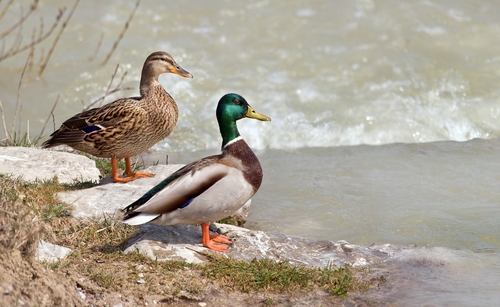
Maryland, US
You might spot Duck, American Toad, and Eastern Bluebird.
View guide →

Pennsylvania, US
You might spot Spotted Lanternfly and Japanese Knotweed.
View guide →
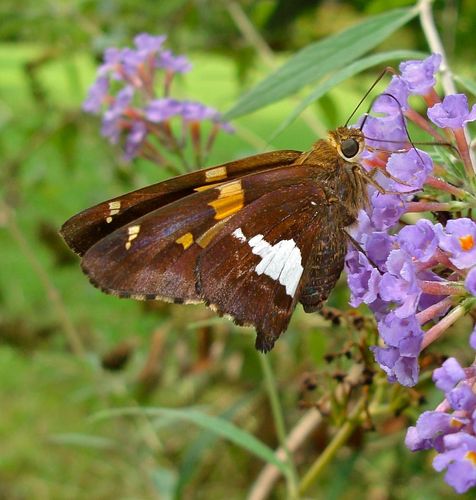
Iowa, US
You might spot Silver-Spotted Skipper, Question Mark, and Banded Pennant.
View guide →

Connecticut, US
You might spot Canada Mayflower, Common Milkweed, and American Toad.
View guide →
Take the discovery with you
Snap it with Snappit to identify it, learn what makes it special, and add the discovery to your collection.







.jpg&width=800)



