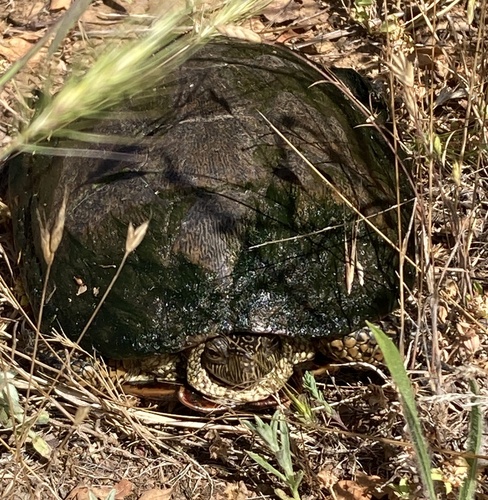
Northwestern Pond Turtle
Actinemys marmorata
The Northwestern Pond Turtle is a small turtle that loves to live in ponds and marshes. It has a beautiful shell with patterns that help it blend in with its surroundings.
Habitat: Wetlands
The Northwestern Pond Turtle has a smooth, low-domed shell that is olive to dark brown or black, often with fine dark lines or speckles. Its skin is yellowish or light brown, typically mottled with dark spots, helping it blend into its environment. The plastron (underside) is usually yellowish.
Category
ReptilesRarity
Common
Danger
1/5 · Very low
Snaps
6
Female turtles can store sperm for months before laying eggs!
Some turtles have lived longer than your grandparents—over 70 years!
Their eggs are laid in nests dug on land, far from the water!
They can hold their breath underwater for over 30 minutes!
Northwestern Pond Turtle can burrow into soft mud that helps them survive cold winters or dry summers by staying hidden and safe.
Northwestern Pond Turtle has a very long lifespan that helps them grow and reproduce for many decades in their habitat.
Northwestern Pond Turtle has excellent vision underwater that helps them spot tiny prey and avoid predators efficiently.
Northwestern Pond Turtle has a dull, mottled shell that helps them blend perfectly with pond bottoms, making them hard to spot.
An omnivore, it eats both plants and animals it finds in and around its watery home.
Age differences: Young turtles eat more meat, while adults add more plants to their diet.

Procyon lotor
Raccoons raid their nests.
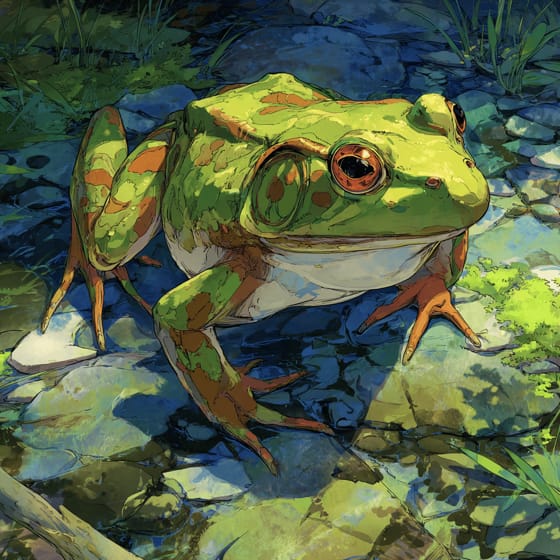
Lithobates catesbeianus
Turtles eat bullfrog tadpoles.
Typha latifolia
Cattails provide cover and nesting.
Gasterosteus aculeatus
Turtles prey on small fish.
Marked with spots or patches of a different color.
Solitary animals live alone for most of their lives, only interacting with others for mating or parental care.
This trait identifies organisms whose diet includes both plant and animal matter.
Camouflaged describes organisms that possess coloring or patterns that allow them to blend into their environment.

This habitat trait identifies species found in wetlands, which are areas of land saturated with water, either permanently or seasonally, including marshes, swamps, and bogs.

Diurnal animals are primarily active during daylight hours, typically resting or sleeping at night.

Freshwater habitats include non-saline aquatic environments such as rivers, lakes, ponds, and wetlands, vital for numerous species.

Describes a species whose presence and role have a disproportionately large effect on its environment.

Endangered status indicates a species is at a very high risk of extinction in the wild in the near future.
No aliases listed yet.
Danger
1/5 · Very low
Always watch from a distance and never try to touch or pick up wild turtles.
The easiest way to identify Northwestern Pond Turtle is to use the Snappit nature identifier app.
12-20 cm
0.2-1.5 kg
30-55 years
3 km/h
An omnivore, it eats both plants and animals it finds in and around its watery home.
3 km/h
Wetlands
Zoom in to split clusters and explore where this object has been snapped.
May 30, 2026
Old Auburn Historic DistrictPhoto attribution
(c) Adam J. Searcy, some rights reserved (CC BY)
License: CC BY 4.0 ↗
Image may be shown cropped inside the card frame.

California, US
You might spot White Globe Lily, Rose Campion, and Pipevine Swallowtail.
View guide →

Oregon, US
You might spot Oregon Oak, Pacific Poison Oak, and American Bullfrog.
View guide →
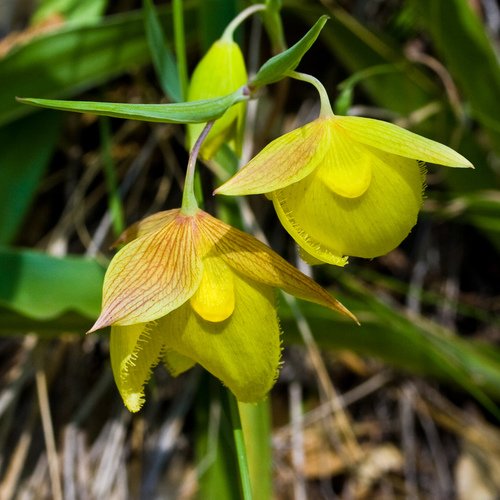
California, US
You might spot Mount Diablo Fairy-Lantern and Western Fence Lizard.
View guide →
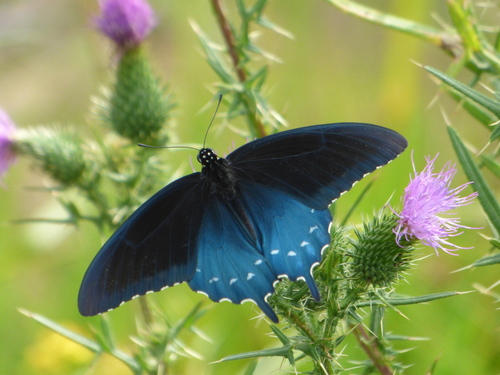
California, US
You might spot Pipevine Swallowtail, White Globe Lily, and Toyon.
View guide →
California, US
You might spot Pipevine Swallowtail and Western Fence Lizard.
View guide →

California, US
You might spot Gray Buckeye and California Buckeye.
View guide →
Take the discovery with you
Snap it with Snappit to identify it, learn what makes it special, and add the discovery to your collection.