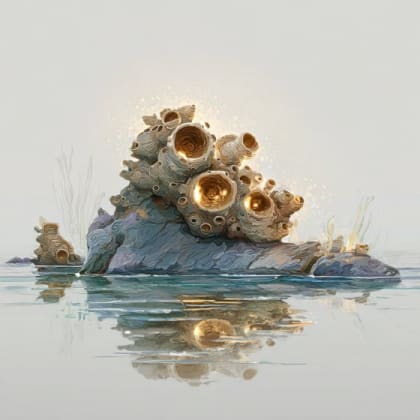
.jpeg&width=800)





Nuttall's Cockle
Clinocardium nuttallii
Nuttall's Cockle is a small, round shellfish that lives in sandy ocean floors. Its shell is smooth and can be found on beaches, making it fun to collect and look at!
Habitat: Coastal areas
The Nuttall's Cockle has a large, thick, heart-shaped shell with prominent, evenly-spaced ribs radiating from the hinge. Its color ranges from pale cream to yellowish-brown, often with darker concentric growth rings, and it lacks any spines or elaborate patterns.
Category
InvertebrateRarity
Common
Danger
1/5 · Very low
Snaps
2
If you ever find a live one, you might feel it wiggle its powerful, tongue-like foot in your hand!
The Nuttall's Cockle has a strong muscle that snaps its shell shut super tight for safety!
These amazing cockles can live for more than 10 years if conditions are just right in their ocean home!
You can sometimes spot their tiny 'breathing tubes' sticking out of the sand at low tide!
Nuttall's Cockle can rapidly dig into the sand using its powerful, wedge-shaped foot that helps them escape predators quickly.
Nuttall's Cockle can filter tiny food particles and plankton from the water using specialized siphons that help them eat and breathe.
Nuttall's Cockle has specialized gills inside its shell that pull oxygen from the surrounding seawater, allowing them to breathe underwater.
Nuttall's Cockles are tiny water cleaners, constantly filtering out microscopic food from the ocean.
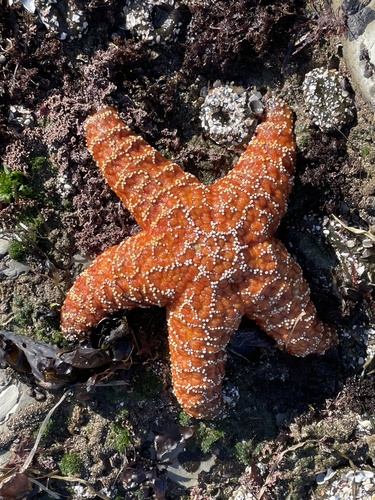
Pisaster ochraceus
A common predator
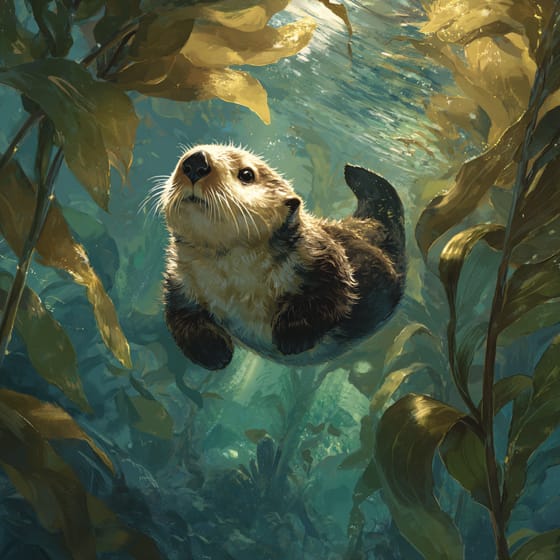
Enhydra lutris
Cracks shells open
%2C_Point_Lobos%2C_CA%2C_US_-_May_2013.jpg&width=800)
Larus occidentalis
Picks from exposed sand
Solitary animals live alone for most of their lives, only interacting with others for mating or parental care.
Burrowing animals dig tunnels and chambers in the ground, using these subterranean structures for shelter, hunting, or breeding.
Colorful describes organisms or objects displaying a wide range of bright and distinct colors.
Edible plants are those parts of a plant that are considered safe for human consumption.

Filter feeders obtain nutrients by straining suspended food particles and small organisms from water.

Coastal habitats are dynamic environments located along the interface between land and sea, influenced by tides, waves, and saltwater.

Marine habitats encompass all saltwater environments of the Earth's oceans, supporting an immense diversity of aquatic life.
No aliases listed yet.
Danger
1/5 · Very low
Always wash your hands after touching shells or sea creatures.
The easiest way to identify Nuttall's Cockle is to use the Snappit nature identifier app.
5-15 cm
10-15 years
Nuttall's Cockles are tiny water cleaners, constantly filtering out microscopic food from the ocean.
Coastal areas
Filter Feeding
Zoom in to split clusters and explore where this object has been snapped.

US
You might spot Bald Eagle, Common Raven, and Salmonberry.
View guide →

US
You might spot Brown Bear, Double-Crested Cormorant, and Bald Eagle.
View guide →
British Columbia, CA
You might spot Ochre Sea Star, Fringe Cups, and Moonglow Anemone.
View guide →
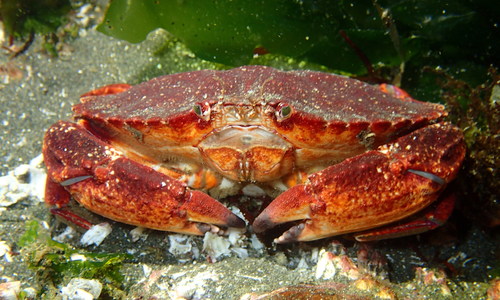
British Columbia, CA
You might spot Red Rock Crab, Dungeness Crab, and Salal.
View guide →
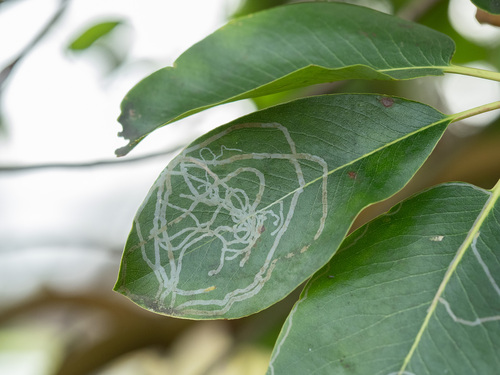
Washington, US
You might spot Madrone Skin Miner and Pacific Madrone.
View guide →
Take the discovery with you
Snap it with Snappit to identify it, learn what makes it special, and add the discovery to your collection.