





obedient plant
Physostegia virginiana
The obedient plant is a pretty flower that can change its shape! It has tall spikes with pink or white blooms that look like little bells. This flower loves to grow in sunny places and can be found in gardens and wild areas.
Habitat: Wetlands
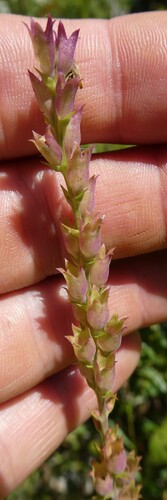
The obedient plant has tall spikes adorned with numerous tubular, two-lipped flowers, typically in shades of pink, purple, or white. Its lance-shaped leaves have serrated edges and grow on upright, square stems. The flowers are arranged closely along the upper part of the stem.
Category
PlantsRarity
Common
Danger
1/5 · Very low
Snaps
7
Did you know its flowers are sometimes called 'dragonhead' because of their unique shape?
Even though it loves moist soil, this tough plant can also thrive in drier garden spots!
Some people believe the roots were traditionally used by Native Americans for teas!
The plant's square stems are a secret clue that it belongs to the big mint family!
The obedient plant has flowers that, when gently pushed sideways, will stay in their new position, helping guide pollinators!
This plant produces abundant nectar and bright, showy flowers that effectively attract a variety of bees, butterflies, and hummingbirds.
Obedient plants can spread effectively through underground stems called rhizomes, helping them form dense colonies over time.
Bombus impatiens
Visits flowers for nectar and pollen.
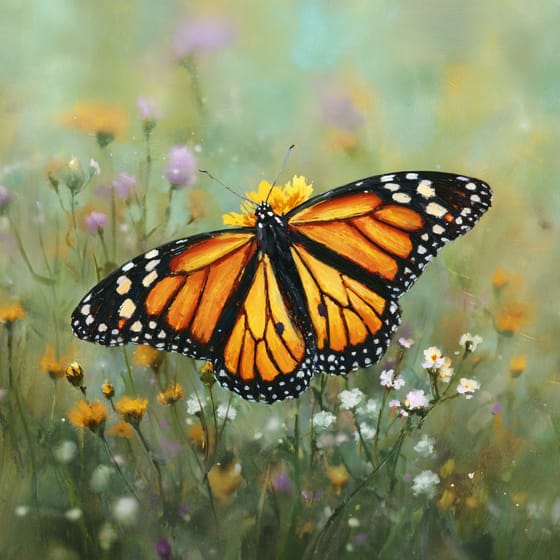
Danaus plexippus
Feeds on nectar, aiding in pollination.

Archilochus colubris
Sips nectar from the tubular flowers.
Bell-shaped flowers possess petals fused or arranged to form a cup-like or campanulate structure resembling a bell.
Deciduous plants periodically shed all their leaves, typically during autumn or dry seasons.
Flowering plants are any plants that produce flowers as part of their reproductive cycle.
Summer blooming plants produce their flowers during the summer season, often providing vibrant color when many other plants have finished.

Fragrant flowers emit a pleasant aroma, often to attract pollinators or for defense.

Describes plants that are particularly attractive and beneficial to a wide range of pollinating organisms.

This habitat trait identifies species found in wetlands, which are areas of land saturated with water, either permanently or seasonally, including marshes, swamps, and bogs.
No aliases listed yet.
Danger
1/5 · Very low
Always look but don’t pick flowers in nature to help them grow.
The easiest way to identify obedient plant is to use the Snappit nature identifier app.
60-120 cm
30-90 cm
1-3 cm
Late summer to fall
No
None
Perennial
Zoom in to split clusters and explore where this object has been snapped.
Sep 12, 2025
Stockbridge Common Historic DistrictPhoto attribution
no rights reserved
License: CC0 1.0 ↗
Image may be shown cropped inside the card frame.

Ohio, US
You might spot Blue-Fronted Dancer, American Rubyspot, and Fowler's Toad.
View guide →

District of Columbia, US
You might spot Spotted Lanternfly and Eastern Gray Squirrel.
View guide →

Massachusetts, US
You might spot Autumn Olive and Eastern Skunk Cabbage.
View guide →

New York, US
You might spot Eastern Carpenter Bee and Milkweed Tussock Moth.
View guide →

Iowa, US
You might spot Guelder-Rose, Prickly Cucumber, and Bluegill.
View guide →

District of Columbia, US
You might spot Spotted Lanternfly and Asian Lady Beetle.
View guide →
Take the discovery with you
Snap it with Snappit to identify it, learn what makes it special, and add the discovery to your collection.







.jpg&width=800)


_001.jpg&width=800)




