





Barberry
Berberis vulgaris
Barberry is a thorny shrub with small yellow flowers that grow into red berries. It is often used in gardens for its colorful foliage and as a natural barrier to keep animals away.
Habitat: Forests
The Barberry has thorny stems with small oval leaves that can be green or reddish-purple, often turning fiery red in fall. It blooms with clusters of small, dangling yellow flowers in spring, followed by bright red, oblong berries that ripen by late summer.
Category
PlantsRarity
Common
Danger
2/5 · Low
Snaps
4
Barberry berries are packed with Vitamin C, making them super healthy for you!
Its flowers have special 'trap-doors' that snap open to spread pollen when touched!
Its roots and bark can make a bright yellow dye, used for centuries!
Some Barberry plants can live for over 100 years, a true survivor!
Barberry has sharp thorns along its stems that protect it from hungry animals wanting to eat its leaves.
Barberry's bright red berries attract birds, which eat them and help spread its seeds far and wide.
Barberry roots and bark contain a compound that humans can use to create a vibrant yellow dye.
Apis mellifera
collects nectar and pollen from flowers
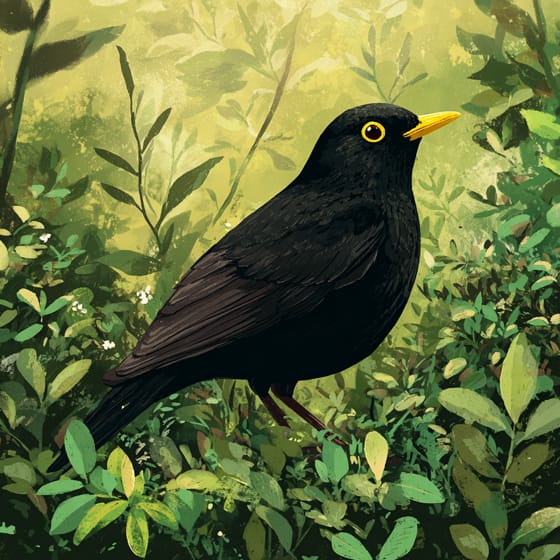
Turdus merula
eats the nutritious ripe berries
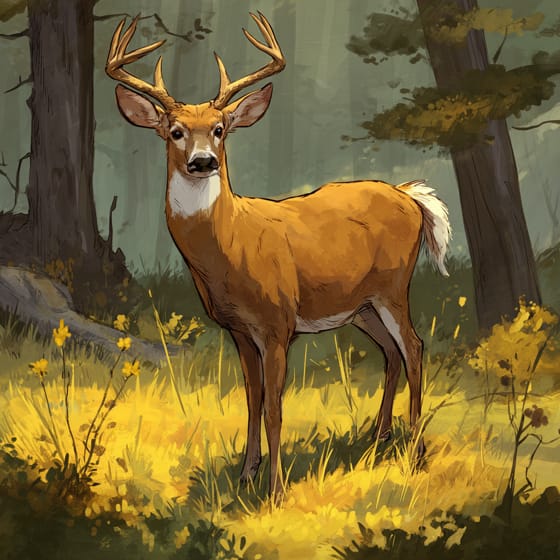
Odocoileus virginianus
browses its leaves and young twigs
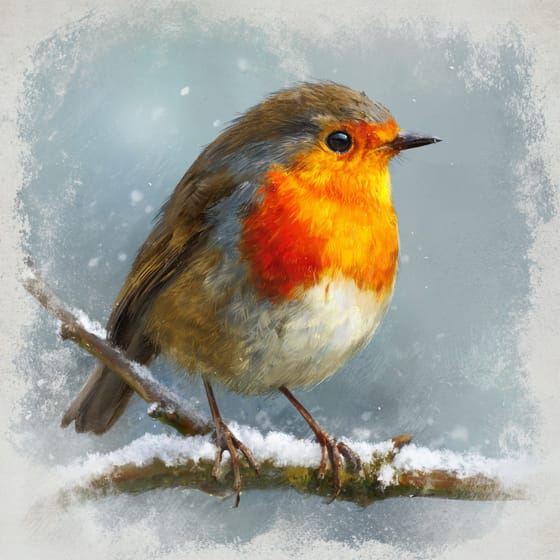
Erithacus rubecula
builds nests within its thorny branches
Deciduous plants periodically shed all their leaves, typically during autumn or dry seasons.
A shrub is a woody plant smaller than a tree, typically with multiple stems branching from or near the ground.
Fruit-bearing plants produce fruits, which are the mature ovaries of flowering plants containing seeds.
Pertaining to plants that have stems covered with sharp, pointed projections for defense.

Fall color refers to the seasonal change in foliage pigmentation, primarily in deciduous plants, displaying vibrant hues.

Forest habitats are terrestrial environments dominated by dense tree cover, supporting a high diversity of plant and animal life.
Danger
2/5 · Low
Be careful around the sharp thorns of the barberry shrub to avoid getting scratched.
The easiest way to identify Barberry is to use the Snappit nature identifier app.
100-300 cm
100-250 cm
0.5-1 cm
Spring
Yes
Mild
Perennial
Zoom in to split clusters and explore where this object has been snapped.

New York, US
You might spot Garter Snake, Painted Turtle, and Monarch.
View guide →

New York, US
You might spot Pine Grosbeak, Hydrangea Leaftier Moth, and Brown Trout.
View guide →

Connecticut, US
You might spot Colt's-Foot, Pink Underwing, and Green Frog.
View guide →

Vermont, US
You might spot Red-Winged Blackbird, Common Reed, and Song Sparrow.
View guide →
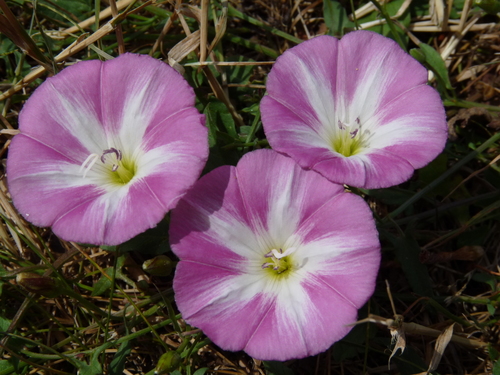
California, US
You might spot Field Bindweed, Charlock, and Figeater Beetle.
View guide →
British Columbia, CA
You might spot Painted Turtle, Solomon's Plume, and Saskatoon.
View guide →
Take the discovery with you
Snap it with Snappit to identify it, learn what makes it special, and add the discovery to your collection.







.jpg&width=800)



_001.jpg&width=800)




