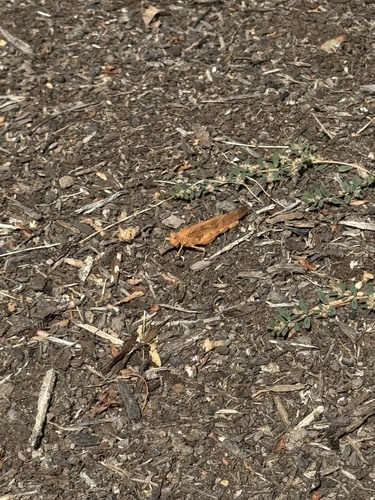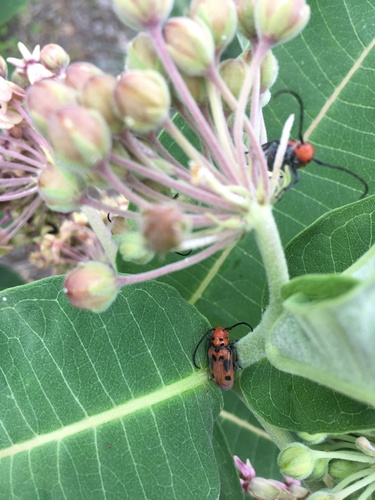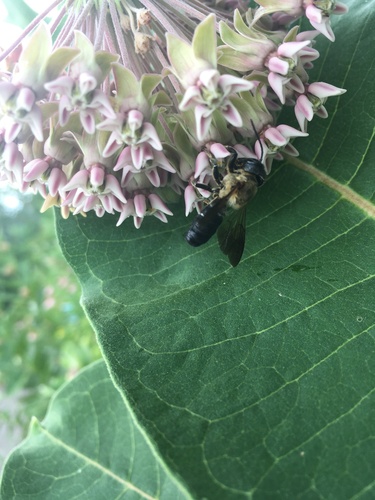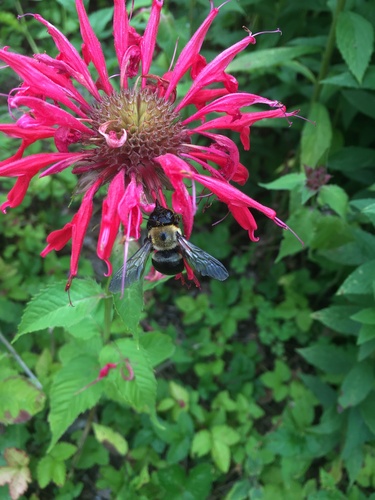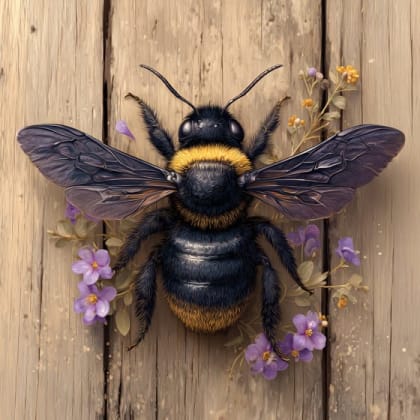





Carpenter Bee

Cutler Botanic Garden is a horticultural gem in Binghamton, New York.
Cutler Botanic Garden is a horticultural gem in Binghamton, New York.
This beautiful 3.5-acre botanical garden serves as a vibrant outdoor classroom, fostering an appreciation for horticulture and environmental stewardship. As one of approximately 360 All-America Selections (AAS) display gardens in the United States, it plays a unique role in showcasing and evaluating new plant varieties for gardeners. Admission is free, inviting visitors to explore its diverse collections from dawn to dusk, year-round.
The garden features 14 distinct themed areas, offering a rich tapestry of plant life and design inspiration. Highlights include the vibrant Hemerocallis (Daylily) Garden, serene Shade Garden, extensive Perennial beds, and specialized collections of Heath & Heathers, Ornamental Grasses, and Hydrangeas. Visitors can also explore the aromatic Herb Garden, the classic Rose Garden with its "Simplicity® rose bush," and a productive Vegetable Garden that demonstrates various growing techniques and often includes culturally relevant Asian vegetables. Recent improvements in fall 2023 added new dimensions, including rebuilt rock walls, stone steps, a tranquil water feature, a sprawling wildflower meadow, and an intriguing hardscape labyrinth.
Whether seeking inspiration for home gardening, a peaceful retreat, or an educational experience, Cutler Botanic Garden offers something for everyone. It serves as a living laboratory for community education, providing hands-on workshops and guided tours led by Master Gardener Volunteers. The ever-changing seasonal displays, particularly the All-America Selections winners, ensure a fresh and memorable visit, reinforcing the value of natural resources and sustainable practices. Don't forget to bring the Snappit nature identification app along to scan local species.
The Cutler Botanic Garden owes its existence to the generous donation of land by Miss Frances Cutler to the Cornell University Cooperative Extension. The vision for a botanical garden began to take shape in 1978, and it officially opened its gates to the public in 1979. Since its inception, the garden has served as a vital "outdoor classroom" dedicated to teaching horticulture and environmentalism, aligning with the broader educational mission of the Cornell Cooperative Extension.
Enjoy a self-guided stroll through the various themed gardens, observe sustainable gardening practices, and have a picnic. Educational opportunities abound, from identifying different plant species to learning about composting and Integrated Pest Management. Consider contacting the Cornell Cooperative Extension to arrange a guided tour by Master Gardener Volunteers for an in-depth experience.
While open year-round, winter visitors should be aware that walkways are not cleared of snow and ice. Spring brings new growth and early blooms, summer showcases peak floral displays across many beds, and autumn offers changing foliage and late-season interest. Special events, such as the Annual Plant Sale in early June and a Pollinator Week Kickoff, occur seasonally.
The garden is open to the public, and pets on leashes are permitted. Visitors are asked not to use bikes, scooters, skateboards, or rollerblades to ensure a serene environment for enjoying the flowers. Some pathways may include stone steps and rebuilt rock walls, which might present uneven terrain in certain areas.
Don't miss the extensive Hemerocallis (Daylily) and Rose Gardens, the diverse Perennial and Shade Gardens, and the educational Vegetable Garden. Be sure to look for the All-America Selections display, showcasing the newest award-winning plant varieties. The recently added water feature, wildflower meadow, and hardscape labyrinth also offer appealing points of interest.
Each card links to a full Explore page with photos, traits, and fun facts.
Start with the big picture, then zoom in to explore individual wildlife observations around this place.
Check for events
Before your visit, check the Cornell Cooperative Extension Broome County website for special events like plant sales or educational workshops.
Wear comfortable shoes
With numerous themed gardens and paths, comfortable footwear will enhance your exploration.
Bring a camera
The diverse plant collections, especially the All-America Selections displays and themed gardens, offer excellent photographic opportunities.
Pack a picnic
Enjoy a meal amidst the beautiful surroundings. Please remember to take your trash with you to keep the gardens clean.
Plan guided tours in advance
If interested in a guided tour by Master Gardener Volunteers, make reservations at least four weeks in advance.
Visit the Vegetable Garden
Gain inspiration for home gardening by observing various techniques, including vertical growing and Integrated Pest Management strategies.
Aug 23, 2025
Photo attribution
(c) David Weisenbeck, some rights reserved (CC BY)
License: CC BY 4.0 ↗
Image may be shown cropped inside the card frame.
Jul 17, 2022
Photo attribution
(c) Christina S. Baer, some rights reserved (CC BY)
License: CC BY 4.0 ↗
Image may be shown cropped inside the card frame.
Jul 17, 2022
Photo attribution
(c) Christina S. Baer, some rights reserved (CC BY)
License: CC BY 4.0 ↗
Image may be shown cropped inside the card frame.
Jul 17, 2022
Photo attribution
(c) Christina S. Baer, some rights reserved (CC BY)
License: CC BY 4.0 ↗
Image may be shown cropped inside the card frame.
Sep 11, 2025

Maryland, US
You might spot White-Tailed Deer and Eastern Gray Squirrel.
View guide →
.jpg)
District of Columbia, US
You might spot Eastern Gray Squirrel, Duck, and House Sparrow.
View guide →

Illinois, US
You might spot American Robin, Canada Goose, and House Sparrow.
View guide →

Virginia, US
You might spot Spotted Lanternfly and Northern Cardinal.
View guide →
Take the discovery with you
Identify the wildlife you spot, learn as you go, and keep a collection of the adventure.