


Eastern White Pine

Laughing Brook Wildlife Sanctuary offers a tranquil escape into nature's embrace.
Laughing Brook Wildlife Sanctuary offers a tranquil escape into nature's embrace. This Mass Audubon property in Hampden, Massachusetts, spans 438 acres, featuring diverse habitats from lush woodlands and vibrant meadows to serene streams and wetlands. It invites visitors to explore a rich natural landscape that once inspired beloved children's author Thornton W. Burgess, whose stories brought the local wildlife to life.
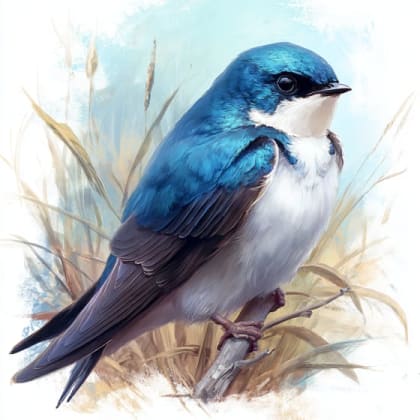
The sanctuary boasts four miles of well-maintained trails, including the easily accessible Mort & Helen Bates Trail, the East Brook Trail/Burgess Trail winding past historic stone walls, and the more adventurous Neff Loop. Along these paths, visitors can discover lively vernal pools, particularly captivating in spring, and an observation pavilion overlooking a pond where beaver activity and various bird species like Belted Kingfishers, Red-winged Blackbirds, Bluebirds, and Tree Swallows can be observed. The woodlands provide refuge for migratory songbirds, while ongoing ecological enhancements aim to support at-risk species like the Eastern Towhee and Eastern Whip-poor-will, making it a haven for birdwatchers and nature photographers.
A visit to Laughing Brook is an opportunity to connect with both natural beauty and literary heritage. Whether you're seeking a peaceful walk amidst brilliant fall foliage, the vibrant wildflowers of spring, or the quietude of a snow-dusted landscape, the sanctuary offers a memorable experience for all seasons. It's a place where the magic of nature, much like in Burgess's tales, encourages appreciation for the wild world around us. Be ready to snap and learn! Get the Snappit app to identify any nature species you find here.
Laughing Brook Wildlife Sanctuary holds a notable history tied to renowned children's author and conservationist Thornton W. Burgess. The property, initially an 18-acre parcel that was Burgess's home, was acquired by the Massachusetts Audubon Society in 1966, a year after his passing. Burgess, celebrated for characters like Reddy Fox and Johnny Chuck, wove his tales around the very animals and natural settings found here, making the sanctuary a living testament to his legacy. Originally known as the Laughing Brook Nature Center, the site once housed rehabilitated wild animals in enclosures along its nature trails, serving as an educational hub. While the nature center and its captive animal displays were eventually phased out due to funding adjustments in the 1990s, the essence of the sanctuary as a place for nature education and conservation endures. Today, it primarily functions as a wildlife sanctuary with extensive hiking trails, preserving the natural habitats that inspired Burgess, even if his former buildings are generally not open to the public. The sanctuary is also undergoing revitalization projects to restore native habitats and enhance the visitor experience.
Hike the various trails, engage in birdwatching, nature photography, or simply enjoy a quiet picnic. Look for wildflowers in spring, fungi in wet seasons, and wildlife tracks in winter.
Spring: Expect vibrant wildflowers, active migratory songbirds, and lively vernal pools.
Summer: Lush greenery, a profusion of fungi in wet seasons, and active insect life.
Autumn: The landscape transforms with brilliant fall foliage, offering stunning photographic opportunities.
Winter: Enjoy peaceful snow-covered trails and look for wildlife tracks. Be prepared for potentially icy or snowy paths.
The Mort & Helen Bates Trail is described as easily accessible. The sanctuary permits foot travel only, but day passes are available for powered mobility devices.
Explore diverse landscapes including woodlands, meadows, and wetlands.
A prime spot for birdwatching and observing signs of beaver activity.
Discover these crucial habitats, especially vibrant with amphibian life in the spring.
Glimpse remnants of the area's agricultural past.
Each card links to a full Explore page with photos, traits, and fun facts.
Start with the big picture, then zoom in to explore individual wildlife observations around this place.
Go early or late
** Visit during the early morning or late afternoon for the best chances of observing wildlife.
Wear appropriate footwear
Trails can be hilly and potentially muddy, especially after rain, so comfortable hiking shoes are recommended.
Bring binoculars
Essential for birdwatching and getting a closer look at distant wildlife.
Pack a picnic
Enjoy a meal at one of the scenic spots, but be sure to pack out everything you pack in.
Check for events
Consult the sanctuary's calendar for special events, guided tours, or educational programs to enhance your visit.
Stay on designated trails
Help protect the delicate ecosystems and wildlife by remaining on marked paths and refraining from collecting plants.
May 10, 2026
Apr 27, 2026
Apr 27, 2026
Apr 25, 2026
Apr 25, 2026

Maryland, US
You might spot White-Tailed Deer and Eastern Gray Squirrel.
View guide →
.jpg)
District of Columbia, US
You might spot Eastern Gray Squirrel, Duck, and House Sparrow.
View guide →

Illinois, US
You might spot American Robin, Canada Goose, and House Sparrow.
View guide →

Virginia, US
You might spot Spotted Lanternfly and Northern Cardinal.
View guide →
Take the discovery with you
Identify the wildlife you spot, learn as you go, and keep a collection of the adventure.