





Old World Rats
Rattus
Old World Rats are clever little animals that live in many places around the world. They have long tails and love to explore, making them great at finding food and shelter.
Habitat: Urban areas
The Old World Rats have sleek, usually grey, brown, or black fur, often lighter on their undersides, and large, prominent ears. They possess a long, scaly, often hairless tail, typically longer than their body, distinguishing them from many other small rodents.
Category
MammalsRarity
Common
Danger
2/5 · Low
Snaps
Be the first to snap!
A group of rats is called a 'mischief,' because they can be quite mischievous!
Rats are very social, often living in large family groups and even helping each other.
Rats can taste tiny amounts of poison, helping them avoid harmful foods.
They are clever problem-solvers, able to learn complex mazes and remember solutions.
Old World Rats can detect tiny scent particles because of their incredible sense of smell that helps them find hidden food and avoid danger.
Old World Rats can scale rough surfaces with ease because of their sharp claws and strong limbs that help them reach high places for shelter or food.
Old World Rats have highly sensitive whiskers that help them navigate in complete darkness by feeling vibrations and textures around them.
These opportunistic eaters munch on almost anything they find, from seeds to scraps.
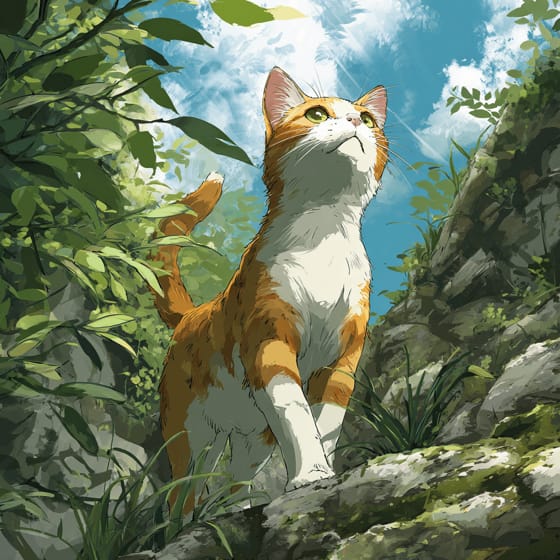
Felis catus
Common predators in urban and rural settings.
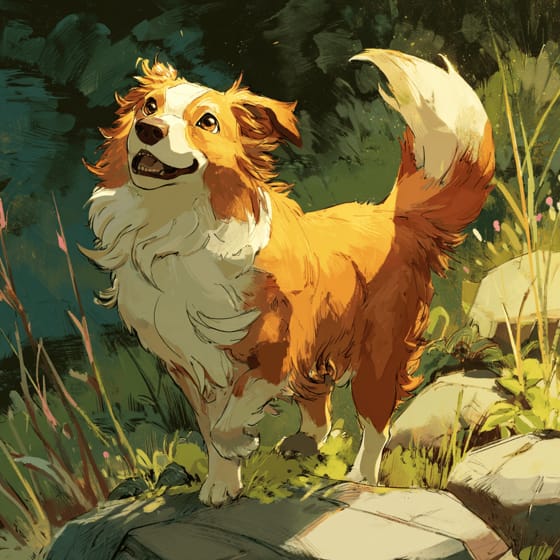
Canis familiaris
Many dog breeds hunt rats, especially terriers.

Triticum aestivum
Rats feed on wheat grains in fields and storage.
Homo sapiens
Rats rely on human settlements for food and shelter.
Furry describes animals possessing a dense covering of soft hair or fur.
Social animals live in organized groups, cooperating for survival benefits such as foraging, defense, and raising offspring.
This trait identifies organisms whose diet includes both plant and animal matter.
Scavengers consume dead organic matter, helping to decompose carcasses and other waste in the ecosystem.

This trait describes organisms that manipulate external objects to achieve a specific goal.

This habitat trait indicates species that can coexist with humans in urban and suburban environments, utilizing man-made structures and green spaces.

Nocturnal animals are primarily active during the nighttime hours, typically resting or sleeping during the day.
No aliases listed yet.
Danger
2/5 · Low
It's best to watch rats from a distance and not try to touch them, as they can be scared and bite.
The easiest way to identify Old World Rats is to use the Snappit nature identifier app.
15-25 cm
0.075-0.6 kg
1-3 years
10 km/h
These opportunistic eaters munch on almost anything they find, from seeds to scraps.
Urban areas
Foraging
Zoom in to split clusters and explore where this object has been snapped.
Recent snaps will appear here as new observations are added.
Take the discovery with you
Snap it with Snappit to identify it, learn what makes it special, and add the discovery to your collection.





.jpg&width=800)



.JPG&width=800)



.jpg&width=800)
