





Oregon Stonecrop
Sedum oreganum
Oregon Stonecrop is a cheerful little plant that loves to grow in rocky places. It has thick, green leaves and bright yellow flowers that attract bees and butterflies.
Habitat: Mountain regions
The Oregon Stonecrop is a low-growing succulent perennial featuring fleshy, paddle-shaped leaves that can range from bright green to reddish-bronze. Its star-shaped, bright yellow flowers bloom in clusters above the foliage, creating a vibrant carpet.
Category
PlantsRarity
Common
Danger
1/5 · Very low
Snaps
3
Its tiny flowers attract many small helpful insects, like a tiny bee buffet!
It’s sometimes called 'Pacific stonecrop' because it loves the Pacific Northwest coast!
Native peoples once munched on its tangy leaves as a snack or spring tonic!
This plant can grow a living 'carpet' that helps protect the soil from washing away!
Oregon Stonecrop has thick, fleshy leaves that store water, helping it survive long periods without rain.
Oregon Stonecrop can grow in shallow, rocky soils where other plants struggle, thanks to its tough, adaptable roots.
Oregon Stonecrop's leaves can blush brilliant red or orange when exposed to strong sunlight or cold temperatures.
Apis mellifera
collects nectar and pollen
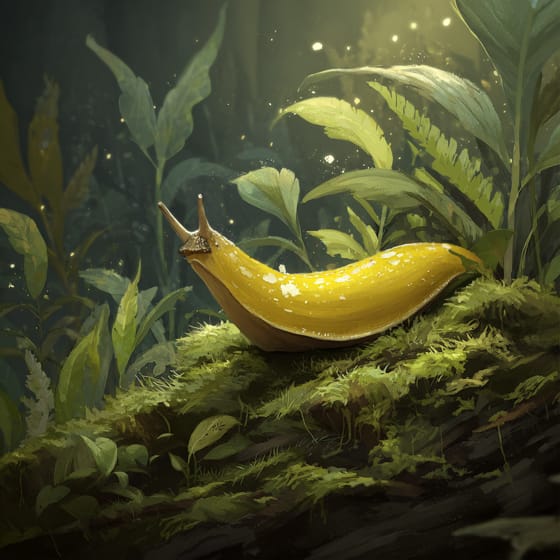
Ariolimax columbianus
grazes on its succulent leaves
Bombus occidentalis
a key native pollinator
Pterostichus melanarius
finds cover under its dense mats
Flowering plants are any plants that produce flowers as part of their reproductive cycle.
Summer blooming plants produce their flowers during the summer season, often providing vibrant color when many other plants have finished.
Drought-tolerant plants can survive and flourish in conditions with limited water availability.
Succulent plants have thickened, fleshy parts, usually leaves or stems, adapted to store water in arid climates.

Colorful describes organisms or objects displaying a wide range of bright and distinct colors.

Edible plants are those parts of a plant that are considered safe for human consumption.

Describes plants that are particularly attractive and beneficial to a wide range of pollinating organisms.

This habitat trait identifies species found in mountainous regions, characterized by high elevation, steep slopes, and varying climate zones.
No aliases listed yet.
Danger
1/5 · Very low
Always look but don't touch plants without asking an adult first.
The easiest way to identify Oregon Stonecrop is to use the Snappit nature identifier app.
5-15 cm
30-60 cm
0.5-1 cm
Late spring to summer
Yes
None
Perennial
Zoom in to split clusters and explore where this object has been snapped.

Oregon, US
You might spot Rough-Skinned Newt and Isabella Tiger Moth.
View guide →

Washington, US
You might spot Devil's Club, Scouler's Corydalis, and Pacific Banana Slug.
View guide →

Washington, US
You might spot White Pasqueflower, Pearly Everlasting, and Avalanche Lily.
View guide →

British Columbia, CA
You might spot Salal, Evergreen Huckleberry, and Douglas Fir.
View guide →
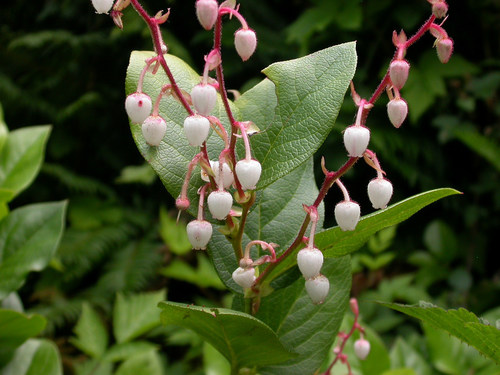
British Columbia, CA
You might spot Salal, Small Ground-Cone, and Evergreen Huckleberry.
View guide →
Take the discovery with you
Snap it with Snappit to identify it, learn what makes it special, and add the discovery to your collection.








.jpg&width=800)



_001.jpg&width=800)



