





oriental small-clawed otter
Aonyx cinerea
The oriental small-clawed otter is a playful and curious animal that loves to swim and play in the water. They have small claws that help them catch fish and crabs, making them great hunters in their watery homes.
Habitat: Wetlands
The oriental small-clawed otter is the world's smallest otter, featuring sleek dark brown to grey fur and a lighter, creamy throat and chest. It has a rounded head and distinctive, barely visible claws on its partially webbed paws, making its 'fingers' highly dexterous.
Category
MammalsRarity
Common
Danger
2/5 · Low
Snaps
Be the first to snap!
Families work together to build dens in riverbanks.
Their thick fur keeps them warm and dry in cold water.
These otters often 'juggle' pebbles, a playful behavior!
They communicate using at least 12 different calls!
Oriental small-clawed otters can 'feel' for food with their highly sensitive, nimble front paws, which helps them find hidden prey in murky water or mud.
Oriental small-clawed otters can close their nostrils and ears underwater, which helps them stay submerged and hunt efficiently without getting water inside.
Oriental small-clawed otters have long, sensitive whiskers that help them detect vibrations and movement of prey even in dark or muddy waters.
They are expert hunters, mainly eating crabs, snails, and small fish found in shallow waters.
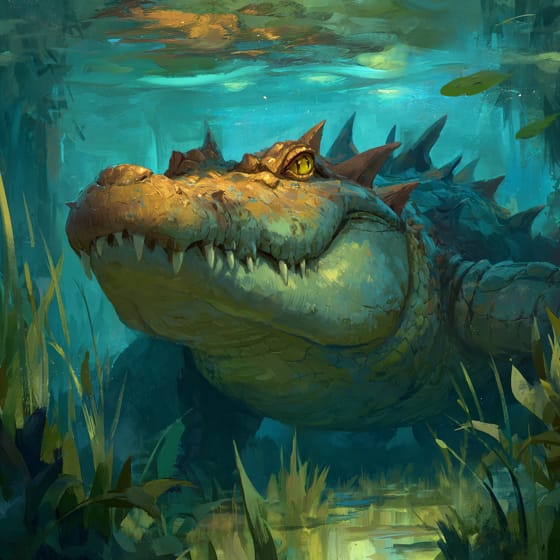
Crocodylus porosus
Large predators can hunt young or vulnerable otters.
Scylla serrata
Crabs are a favorite and common food source for otters.
Channa striata
Small fish are a part of their opportunistic diet.
Furry describes animals possessing a dense covering of soft hair or fur.
Characterized by having toes connected by a membrane, typically aiding in swimming.
Social animals live in organized groups, cooperating for survival benefits such as foraging, defense, and raising offspring.
Piscivorous organisms are animals that primarily subsist on a diet of fish.

This trait describes organisms that manipulate external objects to achieve a specific goal.

This habitat trait identifies species found in wetlands, which are areas of land saturated with water, either permanently or seasonally, including marshes, swamps, and bogs.

This trait identifies organisms whose diet consists entirely or primarily of animal tissue.

Diurnal animals are primarily active during daylight hours, typically resting or sleeping at night.

Describes a species whose presence and role have a disproportionately large effect on its environment.

Aquatic habitats encompass environments where organisms live predominantly in water, including oceans, rivers, lakes, and wetlands.
Danger
2/5 · Low
Always watch from a distance and never try to touch wild animals.
The easiest way to identify oriental small-clawed otter is to use the Snappit nature identifier app.
70-96 cm
2.7-5.4 kg
10-16 years
15 km/h
They are expert hunters, mainly eating crabs, snails, and small fish found in shallow waters.
Wetlands
Foraging
Zoom in to split clusters and explore where this object has been snapped.
Recent snaps will appear here as new observations are added.

Virginia, US
You might spot Snow Leopard, Red Panda, and Canis Lupus Rufus.
View guide →

Utah, US
You might spot Great White Shark and Gentoo Penguin.
View guide →

England, UK
You might spot Ring-Tailed Lemur, Meerkat, and Red Panda.
View guide →

Texas, US
You might spot Reticulated Giraffe, Grant's Zebra, and Ostrich.
View guide →

North Carolina, US
You might spot African Penguin, Tiger, and Red Panda.
View guide →
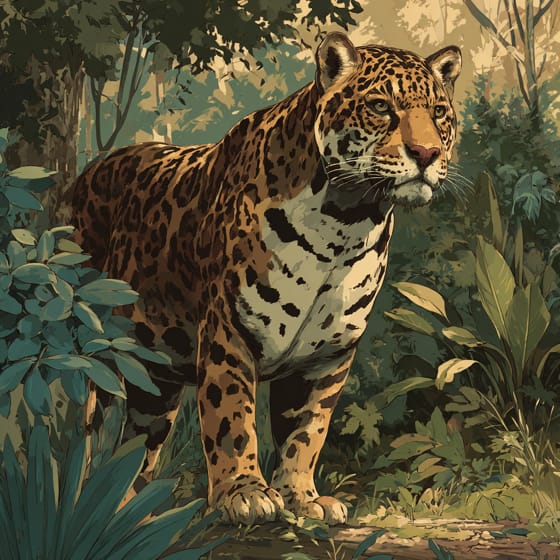
Florida, US
You might spot Jaguar, Tiger, and Reticulated Giraffe.
View guide →
Take the discovery with you
Snap it with Snappit to identify it, learn what makes it special, and add the discovery to your collection.




.jpg&width=800)


.JPG&width=800)



.jpg&width=800)
