Jaguar
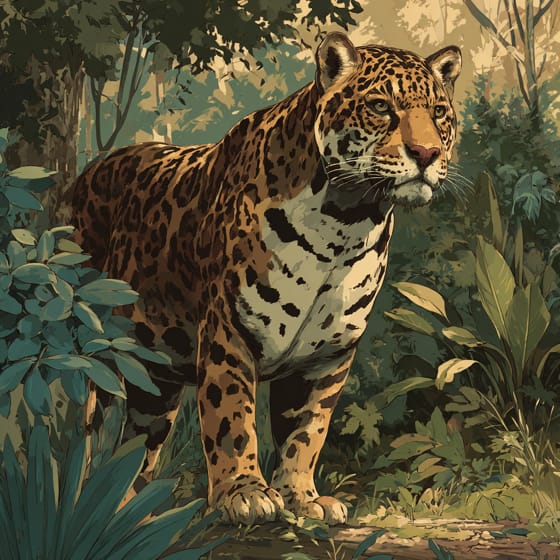
Nestled along the scenic Trout River in Jacksonville, Florida, the Jacksonville Zoo and Gardens offers an immersive journey into the wonders of the natural world, seamlessly blending exotic wildlife with stunning botanical landscapes.
Nestled along the scenic Trout River in Jacksonville, Florida, the Jacksonville Zoo and Gardens offers an immersive journey into the wonders of the natural world, seamlessly blending exotic wildlife with stunning botanical landscapes. Spanning 122 acres, this accredited institution is home to over 2,000 rare and exotic animals and more than 1,000 plant species, providing a vibrant experience for visitors of all ages. It's a place where families and nature enthusiasts can connect intimately with diverse species in beautifully crafted habitats, making it a premier attraction in Northeast Florida. The visitor experience at Jacksonville Zoo and Gardens is designed to be engaging and interactive.
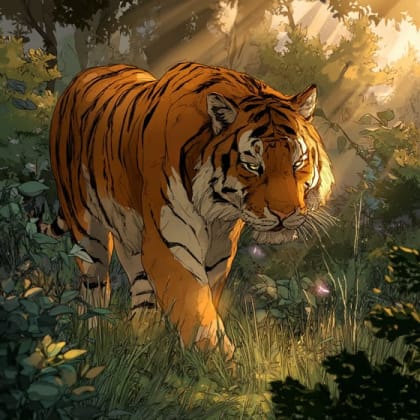
Wander through award-winning exhibits like the "Range of the Jaguar," where these powerful big cats play and swim in a richly themed South American environment, or explore the innovative "Land of the Tiger," featuring an overhead trail system that allows tigers to roam above guest walkways. Beyond the animal encounters, the zoo integrates lush botanical gardens throughout its grounds, ensuring a harmonious blend of flora and fauna. From the two-acre South African-themed Savanna Blooms to the serene Asian Bamboo Garden with its towering stalks and tranquil koi pond, every turn offers a new visual delight.
Why visit? The Jacksonville Zoo and Gardens is not just about observing animals; it's about education and conservation. The zoo actively participates in over 50 national and international conservation initiatives and more than 95 Species Survival Plans, demonstrating a profound commitment to protecting endangered species and their habitats. With opportunities for keeper chats, animal feedings, a 4D theater, and fun attractions like the Wildlife Train and Splash Ground, it’s a destination that promises discovery, delight, and a deeper appreciation for our planet's biodiversity. Don't forget to bring the Snappit nature identification app along to scan local species.
The Jacksonville Zoo's origins trace back to May 12, 1914, when it first opened as the Municipal Zoo in Jacksonville's Springfield neighborhood, initially featuring just a red deer fawn. Due to its growing collection and community interest, the zoo relocated on July 19, 1925, to a larger, 37.5-acre site along the Trout River, which remains its home today. A significant figure in its early history was Zorro, a wild-born black jaguar who arrived in 1967 and became crucial for breeding rare black jaguars in captivity, fathering numerous cubs sent to zoos across North America. The zoo underwent a major redevelopment starting in 1992, funded by public and private contributions, which significantly expanded its property and enhanced its facilities. This transformation led to the official renaming of the institution to the Jacksonville Zoo and Gardens in December 2003, acknowledging its expanding botanical collections and commitment to horticulture. More recently, the zoo opened its Manatee Critical Care Center in 2017, further expanding its rehabilitation efforts with a 330,000-gallon Manatee River habitat in 2026, solidifying its role in local wildlife rescue and conservation.
Engage in animal feedings at the Giraffe Overlook and Stingray Bay. Take a relaxing ride on the Wildlife Train to see the grounds and rest your feet. Enjoy keeper chats and scheduled animal demonstrations to learn more about the residents. Let children explore and cool off at the Splash Ground and Play Park.
During Florida's warmer months, the Splash Ground and Play Park provide an excellent way for children to cool down. The zoo also hosts seasonal events, such as the summer "Tunes & Blooms" evenings and elaborate "Asian Lantern events" in winter, which light up the zoo with festive displays.
The Jacksonville Zoo and Gardens is committed to accessibility, featuring ADA-compliant pathways, exhibits, and facilities. ADA parking is available with ramps leading to the entrance. Manual wheelchairs and power chairs can be rented, and personal mobility devices are permitted. For guests with sensory sensitivities, sensory bags equipped with noise-canceling headphones and fidget tools are available at guest services. The Wildlife Train is also wheelchair accessible.
Range of the Jaguar
Land of the Tiger
Giraffe Overlook
African Forest
Each card links to a full Explore page with photos, traits, and fun facts.
Start with the big picture, then zoom in to explore individual wildlife observations around this place.
Wear comfortable footwear and clothing
The zoo covers a large area, and you'll be doing a lot of walking. Dress for Florida's climate, which is often warm and humid.
Stay hydrated
Bring reusable water bottles and take advantage of the numerous water refill stations located throughout the zoo.
Arrive early
Visiting right at opening often means cooler temperatures, fewer crowds, and more active animals.
Consider a Total Experience Ticket
This ticket often includes animal feedings (like giraffes and stingrays), unlimited rides on the train and carousel, and access to the 4D theater, which can enhance your visit.
Pack snacks or a picnic
While dining options are available, bringing your own snacks or a packed lunch can be a cost-effective choice.
Utilize the Wildlife Train
This is a great way to rest your feet and cover longer distances between exhibits, especially to reach areas like the Asian Loop efficiently.
Feb 19, 2026
Feb 19, 2026
Feb 14, 2026
Feb 10, 2026
Feb 9, 2026

Michigan, US
You might spot African Lion, Komodo Dragon, and Brown Bear.
View guide →
.jpg)
Municipal District of Cobh, IE
You might spot Ring-Tailed Lemur, Giraffes, and Cheetahs.
View guide →

Nouvelle-Aquitaine, FR
You might spot Greater Flamingo, Giraffes, and Red Panda.
View guide →

Texas, US
You might spot Giraffes, African Lion, and Eastern Black Rhinoceros.
View guide →
Take the discovery with you
Identify the wildlife you spot, learn as you go, and keep a collection of the adventure.