





ornate lorikeet
Trichoglossus ornatus
The ornate lorikeet is a colorful bird with bright green feathers and a beautiful orange and blue chest. They love to eat sweet fruits and nectar from flowers, making them fun to watch as they flit around.
Habitat: Forests
The ornate lorikeet has a vibrant red face with a deep purple crown and a green body. Its chest is uniquely streaked with yellow and green, making it distinct from other lorikeet species. Bright yellow patches adorn its wings.
Category
BirdsRarity
Common
Danger
1/5 · Very low
Snaps
Be the first to snap!
Ornate lorikeets have unique calls, sometimes sounding like squeaky toys!
These smart birds can use their feet like hands to hold tasty food.
They often flock together in huge groups to find the best flowers.
They often sleep upside down, hanging by their tiny feet!
The ornate lorikeet has a special brush-tipped tongue that helps it sip sweet nectar from deep inside flowers.
Ornate lorikeets have bright plumage that helps them blend perfectly among colourful tropical flowers and foliage.
Ornate lorikeets can fly super fast and make quick turns to dart through dense forest trees.
These colourful birds love to sip nectar and feast on fruits, pollen, and tiny seeds!
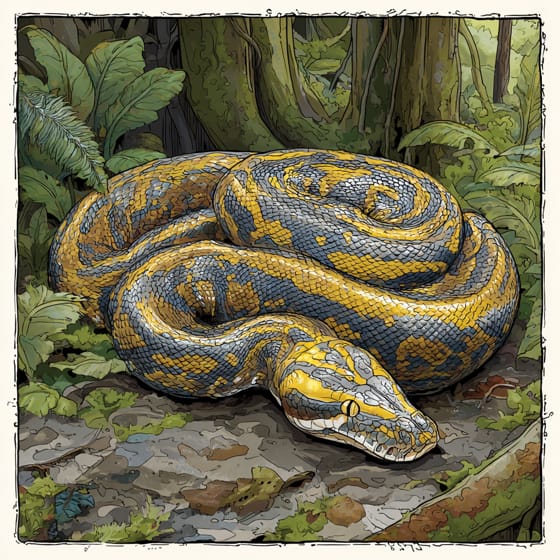
Python reticulatus
Hunts lorikeets within forest canopy.
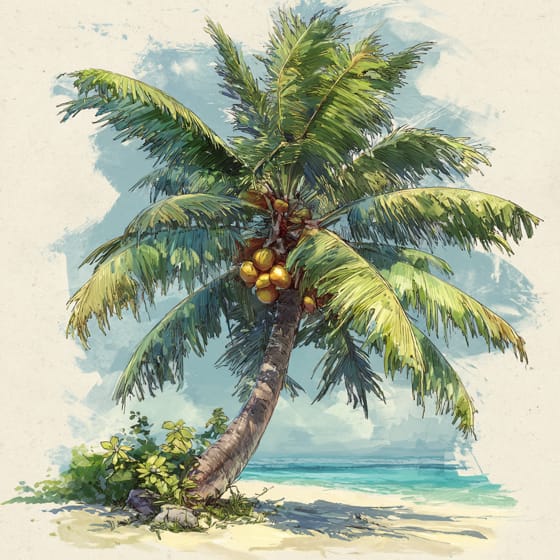
Cocos nucifera
Provides vital nectar, pollen, and shelter.
Durio zibethinus
Feeds on nectar and soft pulp of fruits.
Ficus benjamina
Consumes small figs and finds shelter.
Feathered describes animals, primarily birds, possessing a covering of feathers.
Social animals live in organized groups, cooperating for survival benefits such as foraging, defense, and raising offspring.
Colorful describes organisms or objects displaying a wide range of bright and distinct colors.
This trait characterizes organisms whose diet consists entirely or primarily of plant material.

Forest habitats are terrestrial environments dominated by dense tree cover, supporting a high diversity of plant and animal life.

Diurnal animals are primarily active during daylight hours, typically resting or sleeping at night.

Describes organisms that transfer pollen, enabling the fertilization and reproduction of plants.
No aliases listed yet.
Danger
1/5 · Very low
Always watch birds from a distance and don't try to touch them.
The easiest way to identify ornate lorikeet is to use the Snappit nature identifier app.
24-26 cm
40-45 cm
0.088-0.105 kg
15-20 years
65 km/h
These colourful birds love to sip nectar and feast on fruits, pollen, and tiny seeds!
Forests
Zoom in to split clusters and explore where this object has been snapped.
Recent snaps will appear here as new observations are added.
Take the discovery with you
Snap it with Snappit to identify it, learn what makes it special, and add the discovery to your collection.




.jpg&width=800)






