





Oxpecker
Buphagus africanus
Oxpeckers are small birds that help keep other animals clean by eating ticks and insects off their skin. They have a special relationship with large mammals like rhinos and buffaloes, where they get food and the animals get pest control.
Habitat: Grasslands
The Oxpecker has dull brown plumage with a paler rump and a distinctive bright yellow bill that often features a red tip. Its strong, dark legs and sharp claws are adapted for clinging securely to the hide of large mammals.
Category
BirdsRarity
Common
Danger
1/5 · Very low
Snaps
Be the first to snap!
An oxpecker can help a rhino by loudly warning it of approaching danger!
Oxpeckers will drink the blood from open wounds of their large mammal hosts!
Their scientific name, *Buphagus*, literally means "ox-eater" or "cow-eater"!
They sometimes eat earwax and dandruff directly from their giant companions!
Oxpecker has strong feet and sharp, curved claws that help them cling securely to the hide of large animals as they move.
Oxpecker can expertly remove ticks and other parasites because of their specialized, flattened bill, acting like tiny tweezers.
Oxpecker can make distinct alarm calls that help them warn their large mammal hosts of approaching predators.
These birds mostly eat ticks and other insects they pick off large mammals, sometimes even drinking blood.

Syncerus caffer
Removes ticks and other parasites from its hide.
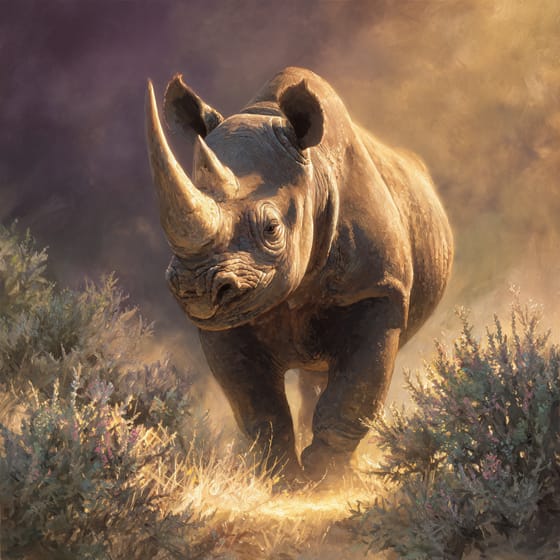
Diceros bicornis
Provides pest control and alarm calls for the large mammal.
Amblyomma hebraeum
A primary food source, found clinging to mammal hosts.
Wildlife encompasses all undomesticated animal and plant life existing in their natural habitats.
Feathered describes animals, primarily birds, possessing a covering of feathers.
Social animals live in organized groups, cooperating for survival benefits such as foraging, defense, and raising offspring.
Singing animals produce complex vocalizations, often for purposes of attracting mates, defending territory, or communicating within their species.

Grassland habitats are terrestrial biomes dominated by grasses and herbaceous plants, supporting a variety of grazing animals.

This trait identifies organisms whose diet primarily consists of insects and other small invertebrates.

Describes a relationship between two different species where they live in close association, often benefiting one or both.
Danger
1/5 · Very low
Enjoy watching oxpeckers from a safe distance to not disturb them or the animals they help.
The easiest way to identify Oxpecker is to use the Snappit nature identifier app.
20-22 cm
33-38 cm
0.05-0.07 kg
8-12 years
50 km/h
These birds mostly eat ticks and other insects they pick off large mammals, sometimes even drinking blood.
Grasslands
Zoom in to split clusters and explore where this object has been snapped.
Recent snaps will appear here as new observations are added.
Take the discovery with you
Snap it with Snappit to identify it, learn what makes it special, and add the discovery to your collection.




.jpg&width=800)










