





painted buckeye
Aesculus sylvatica
The painted buckeye is a beautiful tree with bright green leaves and stunning flowers that look like little butterflies! It’s a great tree for parks and gardens, adding color and beauty to nature.
Habitat: Forests
The painted buckeye is a small tree or large shrub with striking, upright clusters of pale yellow to reddish-pink flowers, often striped with red or orange. Its palmate leaves have five to seven leaflets, and its smooth, light brown bark develops into shallow ridges with age.
Category
PlantsRarity
Common
Danger
2/5 · Low
Snaps
Be the first to snap!
It's one of the very first trees to show off its vibrant green leaves in the springtime!
Its early spring flowers are like a welcome beacon for hungry bees and butterflies!
Squirrels sometimes bury the painted buckeye's toxic seeds, helping to plant new trees!
The name 'buckeye' comes from its dark seed with a light spot, resembling a deer's eye!
Painted buckeye has toxic seeds containing saponins that deter most animals from eating them, helping it survive and reproduce.
Its colorful flowers feature nectar guides that lead pollinators like bees and butterflies to their sweet reward, ensuring pollination.
The painted buckeye blooms very early in spring, giving it a head start attracting pollinators before many other plants.
Apis mellifera
collects nectar and pollen from its flowers.
Bombus impatiens
Feeds on nectar, transferring pollen between blooms.
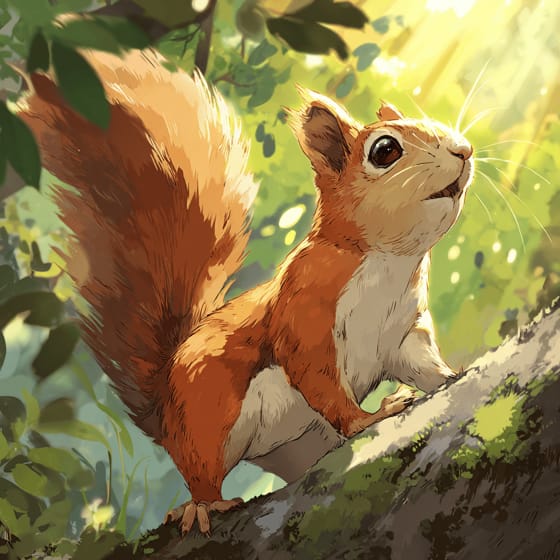
Sciurus carolinensis
buries seeds, sometimes unintentionally planting them.
Deciduous plants periodically shed all their leaves, typically during autumn or dry seasons.
Flowering plants are any plants that produce flowers as part of their reproductive cycle.
Shade tolerant plants are adapted to grow and thrive in areas with low light levels, requiring less direct sunlight.
Broadleaf trees are angiosperms characterized by flat, wide leaves that are typically shed annually in temperate climates.

Nut bearing plants produce hard-shelled fruits, commonly known as nuts, which contain a single seed and are a valuable food source.

Colorful describes organisms or objects displaying a wide range of bright and distinct colors.

Fall color refers to the seasonal change in foliage pigmentation, primarily in deciduous plants, displaying vibrant hues.

Describes plants that are particularly attractive and beneficial to a wide range of pollinating organisms.

Forest habitats are terrestrial environments dominated by dense tree cover, supporting a high diversity of plant and animal life.
No aliases listed yet.
Danger
2/5 · Low
Do not eat the seeds, as they can be harmful. Always enjoy nature by looking, not touching!
The easiest way to identify painted buckeye is to use the Snappit nature identifier app.
600-900 cm
450-750 cm
2.5-4 cm
Early spring to late spring
No
Moderate
Perennial
Zoom in to split clusters and explore where this object has been snapped.
Recent snaps will appear here as new observations are added.
Take the discovery with you
Snap it with Snappit to identify it, learn what makes it special, and add the discovery to your collection.







.jpg&width=800)


_001.jpg&width=800)



