.jpg&width=800)





Palawan Peacock-pheasant
Polyplectron napoleonis
The Palawan Peacock-pheasant is a beautiful bird with shiny, colorful feathers. It lives in the forests of Palawan and is known for its stunning tail that looks like a peacock's.
Habitat: Forests
The Palawan Peacock-pheasant is a striking bird, with males boasting iridescent blue-green plumage, a long feathery crest, and large metallic blue-green eyespots on their tail. Females are smaller, duller brown, with a shorter crest and less prominent iridescence.
Category
BirdsRarity
Rare
Danger
1/5 · Very low
Snaps
Be the first to snap!
Its scientific name honors Emperor Napoleon Bonaparte!
Males have incredible iridescent "eyespots" on their tail feathers, like tiny jewels.
They build simple nests on the ground, often hidden beneath roots or bushes.
This shy bird is found only on one special island in the Philippines.
Palawan Peacock-pheasant can display its stunning tail feathers to attract a mate or warn rivals with flashy, iridescent eyespots.
Palawan Peacock-pheasant has strong legs and feet that help them scratch and dig for food in the dense forest floor.
Palawan Peacock-pheasant has a dramatic crest that it can raise to signal excitement or potential danger.
They love to eat insects, seeds, and fruits found on the forest floor.
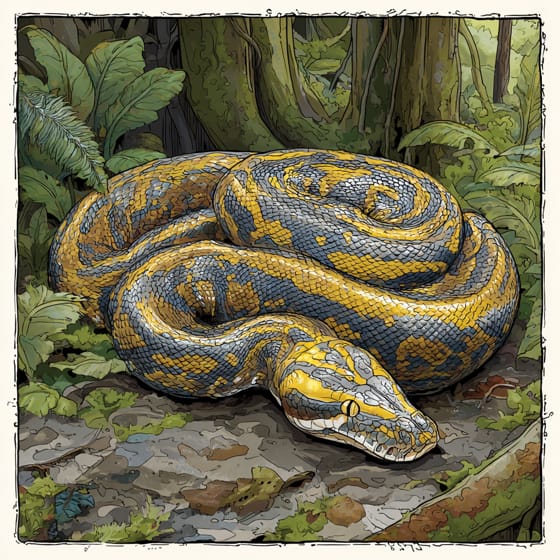
Malayopython reticulatus
Large snakes may ambush adults or chicks.
Viverra tangalunga
Civets prey on eggs and young birds on the forest floor.
Spilornis holospilus
Raptors can snatch chicks or unwary adults from above.
Feathered describes animals, primarily birds, possessing a covering of feathers.
Solitary animals live alone for most of their lives, only interacting with others for mating or parental care.
This trait identifies organisms whose diet includes both plant and animal matter.
Arboreal animals live primarily in trees, utilizing them for shelter, food, and protection from predators.

Colorful describes organisms or objects displaying a wide range of bright and distinct colors.

Forest habitats are terrestrial environments dominated by dense tree cover, supporting a high diversity of plant and animal life.

Diurnal animals are primarily active during daylight hours, typically resting or sleeping at night.

Endangered status indicates a species is at a very high risk of extinction in the wild in the near future.
No aliases listed yet.
Danger
1/5 · Very low
Always watch birds from a distance and be quiet so you don't scare them away.
The easiest way to identify Palawan Peacock-pheasant is to use the Snappit nature identifier app.
40-55 cm
45-60 cm
0.3-0.6 kg
8-15 years
30 km/h
They love to eat insects, seeds, and fruits found on the forest floor.
Forests
Zoom in to split clusters and explore where this object has been snapped.
Recent snaps will appear here as new observations are added.
Take the discovery with you
Snap it with Snappit to identify it, learn what makes it special, and add the discovery to your collection.




.jpg&width=800)








