


Pale Green Orchid
platanthera flava
The Pale Green Orchid (Platanthera flava), also known as the tubercled orchid, is a subtle and enchanting native wildflower of North America. Thriving in saturated, quiet wetland environments like wet woods, bogs, and alluvial floodplains, this perennial species plays a key ecological role in its delicate habitat. Unlike many of its more flamboyant tropical relatives, this orchid possesses a understated charm with its yellowish-green floral spikes that blend seamlessly into the dense surrounding ground cover. It is highly valued by botanists as an indicator of healthy, undisturbed wetland ecosystems.
Habitat: Found in saturated environments such as floodplains, wet meadows, bogs, and moist, deciduous woodland floors.
This orchid stands erect at a height of 15 to 60 centimeters, featuring a smooth, light green stem flanked by alternating, lance-shaped leaves that grow progressively smaller as they ascend. The inflorescence is a dense, terminal cluster of 10 to 40 small, pale green to yellowish-green flowers. Each flower is distinguished by a tongue-shaped lower lip containing a small, prominent central bump or tubercle, and a slender, backward-pointing nectar spur, which are critical features for wild identification.
Category
PlantsRarity
Common
Danger
1/5 · Very low
Snaps
1
Its microscopic seeds are so small that they lack an endosperm (food reserve) and cannot germinate without fungal assistance.
The common name 'Tubercled Orchid' comes from the tiny, unique bump on the flower's lip, which acts like a physical key to guide pollinating insects.
Two distinct varieties are recognized: var. flava in the south, which has loose flower clusters, and var. herbiola in the north, which has denser flower clusters.
Features a specialized bump on the lower flower lip that physically directs the mouthparts of visiting insects into the nectar spur.
Relies on a complex underground association with soil fungi to supply essential nutrients to its microscopic seeds during germination.
Possesses specialized root adaptations that allow it to respire and thrive in oxygen-depleted, waterlogged environments.
As a photosynthetic plant, it manufactures its own sugars using sunlight, water, and carbon dioxide, aided by soil nutrients absorbed through its root-fungal network.
Age differences: As a seed and protocorm, it is a non-photosynthetic heterotroph entirely dependent on mycorrhizal fungi for nutrition before developing green leaves.
Aedes vexans
Acts as a primary pollinator, utilizing its long proboscis to drink nectar while transferring pollen packets.
Tulasnella calospora
Formulates a vital subterranean fungal network that allows the orchid's dust-like seeds to germinate.
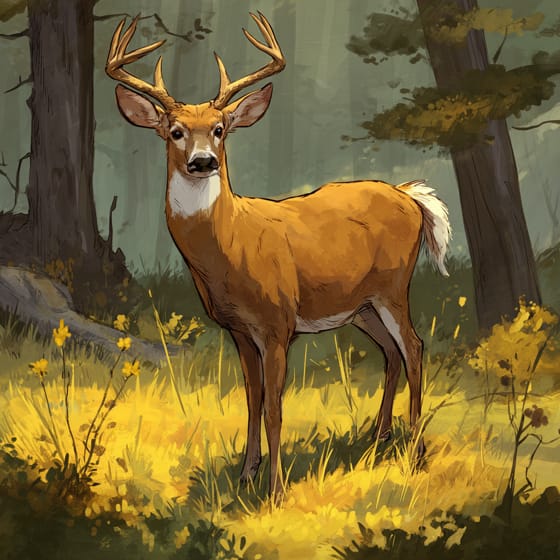
Odocoileus virginianus
Occasionally browses on the tender flowering stems and foliage of the orchid in woodland habitats.
No trait badges are assigned for this object yet.
No aliases listed yet.
Collections for this object will appear here as more themes are added.
Danger
1/5 · Very low
No special safety notes yet.
The easiest way to identify Pale Green Orchid is to use the Snappit nature identifier app.
15-60 cm
0.01-0.1 kg
5-20 years
As a photosynthetic plant, it manufactures its own sugars using sunlight, water, and carbon dioxide, aided by soil nutrients absorbed through its root-fungal network.
Found in saturated environments such as floodplains, wet meadows, bogs, and moist, deciduous woodland floors.
Zoom in to split clusters and explore where this object has been snapped.
Take the discovery with you
Snap it with Snappit to identify it, learn what makes it special, and add the discovery to your collection.












.jpg&width=800)



_001.jpg&width=800)




