





Pale-legged Fuzzy Ant
Lasius pallitarsis
The Pale-legged Fuzzy Ant is a small, fuzzy ant that loves to explore! They are often found in gardens and forests, working together in big groups to find food and build their homes.
Habitat: Forests
The Pale-legged Fuzzy Ant is a small, brown to black ant, easily recognized by its distinctive pale yellow to whitish legs. Its body has a fine, soft, golden fuzz, giving it a somewhat velvety appearance. This fuzz helps it stand out from smoother ant species.
Category
InsectsRarity
Common
Danger
1/5 · Very low
Snaps
Be the first to snap!
A queen ant can lay eggs for over a decade, founding an entire empire!
Pale-legged Fuzzy Ants are super hardy, even thriving in chilly northern forests!
Their nests can hold thousands of ants, working together like a super-team!
These ants love to 'farm' aphids for their sweet honeydew drink!
Pale-legged Fuzzy Ant can 'farm' aphids because it carefully protects them in exchange for sweet honeydew, helping the colony thrive.
Pale-legged Fuzzy Ant has powerful mandibles and legs that help them tunnel complex nests underground, creating safe homes for their colony.
Pale-legged Fuzzy Ant can survive cold temperatures because their bodies produce natural 'antifreeze,' allowing them to thrive in chilly regions.
These ants feast on sweet honeydew from aphids and scavenge for small insects and nectar.
Aphis fabae
Ants protect aphids for their sweet honeydew.
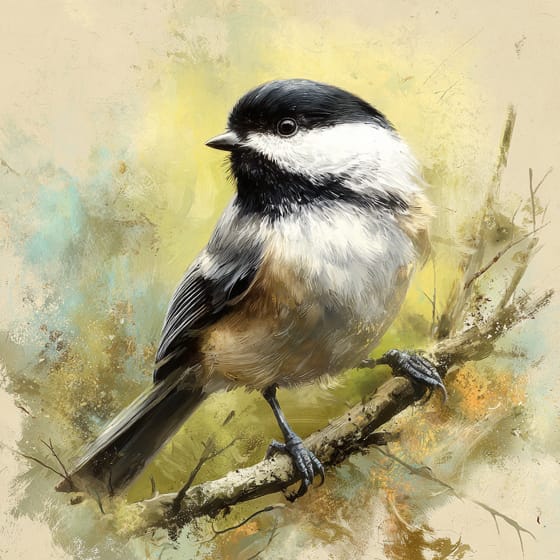
Poecile atricapillus
Birds forage for ants and other small insects.

Viola sororia
Ants carry violet seeds, helping the plant spread.
Furry describes animals possessing a dense covering of soft hair or fur.
Social animals live in organized groups, cooperating for survival benefits such as foraging, defense, and raising offspring.
This trait identifies organisms whose diet includes both plant and animal matter.
Describes organisms that break down dead organic material, recycling nutrients back into the ecosystem.

Forest habitats are terrestrial environments dominated by dense tree cover, supporting a high diversity of plant and animal life.

Diurnal animals are primarily active during daylight hours, typically resting or sleeping at night.

Describes a species whose presence and role have a disproportionately large effect on its environment.

Describes organisms that transfer pollen, enabling the fertilization and reproduction of plants.
No aliases listed yet.
Danger
1/5 · Very low
Ants are usually harmless, but it's best not to disturb their nests.
The easiest way to identify Pale-legged Fuzzy Ant is to use the Snappit nature identifier app.
2-4 mm
60-90 days
These ants feast on sweet honeydew from aphids and scavenge for small insects and nectar.
Forests
Foraging
6
15000
Zoom in to split clusters and explore where this object has been snapped.
Recent snaps will appear here as new observations are added.
Take the discovery with you
Snap it with Snappit to identify it, learn what makes it special, and add the discovery to your collection.








.jpg&width=800)


