





Phainopepla
Phainopepla nitens
The Phainopepla is a shiny black bird with a cool crest on its head. It loves to eat berries and can often be seen perched on trees in the desert, singing its sweet song.
Habitat: Desert
The Phainopepla has glossy, iridescent black plumage and a prominent crest for males, while females are sleek gray. Both sexes possess striking ruby-red eyes and a white wing patch visible during flight, making them distinctive.
Category
BirdsRarity
Common
Danger
1/5 · Very low
Snaps
7
Baby Phainopeplas are born completely naked and helpless in the nest!
Males perform a dazzling "butterfly flight" dance to attract their mates.
Phainopeplas have bright, fiery red eyes that almost seem to glow.
Their name means "shining cloak" in ancient Greek!
Phainopepla can efficiently digest mistletoe berries because of their specialized digestive system that helps them get nutrients.
Phainopepla has special adaptations that help them find water and food in very hot, dry desert environments.
Phainopepla can catch flying insects mid-air with incredible agility because of their swift flight and sharp eyesight.
A berry and insect eater, these birds especially love mistletoe berries!
Age differences: Young birds mainly eat protein-rich insects, while adults consume more berries.
Phoradendron serotinum
Key food source and seed disperser.
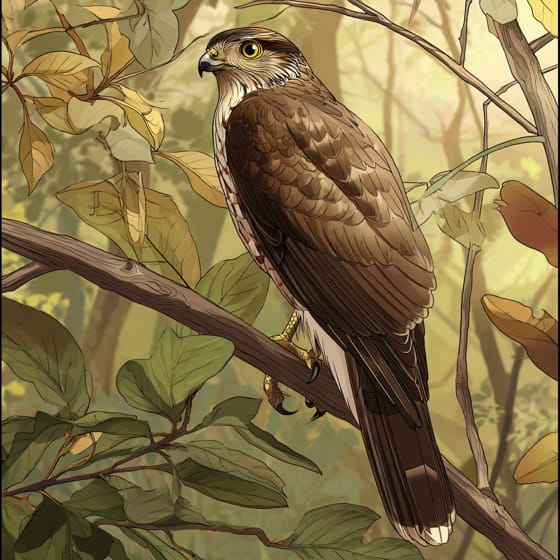
Accipiter cooperii
A common avian predator of Phainopeplas.

Prosopis glandulosa
Often nests and roosts within mesquite trees.
Feathered describes animals, primarily birds, possessing a covering of feathers.
Crested describes animals possessing a prominent tuft of feathers, hair, or skin on their head.
Social animals live in organized groups, cooperating for survival benefits such as foraging, defense, and raising offspring.
Singing animals produce complex vocalizations, often for purposes of attracting mates, defending territory, or communicating within their species.

This trait characterizes organisms whose diet consists entirely or primarily of plant material.

Desert habitats are arid regions characterized by extremely low precipitation and often extreme temperatures, supporting specialized flora and fauna.

Diurnal animals are primarily active during daylight hours, typically resting or sleeping at night.
No aliases listed yet.
Danger
1/5 · Very low
Always watch birds from a distance and do not try to touch them.
The easiest way to identify Phainopepla is to use the Snappit nature identifier app.
16-20 cm
28-30 cm
0.016-0.032 kg
4-7 years
35 km/h
A berry and insect eater, these birds especially love mistletoe berries!
Desert
Zoom in to split clusters and explore where this object has been snapped.

Nevada, US
You might spot Engelmann's Hedgehog Cactus.
View guide →

California, US
You might spot Western Fence Lizard, Duck, and Canada Goose.
View guide →
California, US
You might spot Giraffes, African Lion, and Tiger.
View guide →

California, US
You might spot Western Fence Lizard, Bee, and House Finch.
View guide →

Arizona, US
You might spot Saguaro, Fishhook Barrel Cactus, and Desert Spiny Lizard.
View guide →

California, US
You might spot Western Fence Lizard and Acorn Woodpecker.
View guide →
Take the discovery with you
Snap it with Snappit to identify it, learn what makes it special, and add the discovery to your collection.




.jpg&width=800)








