





American wintergreen
Pyrola americana
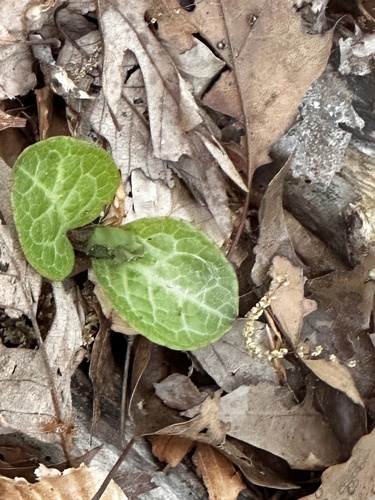
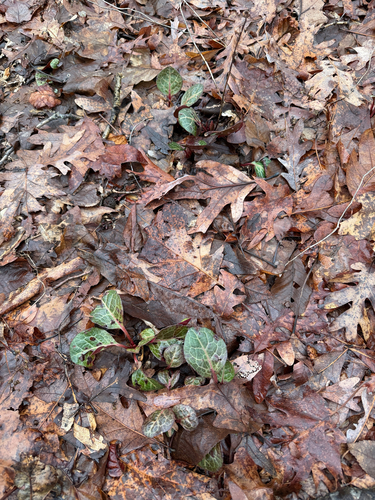
American wintergreen is a small plant with shiny green leaves and pretty white flowers. It grows close to the ground and loves to live in cool, shady places like forests.
Habitat: Forests
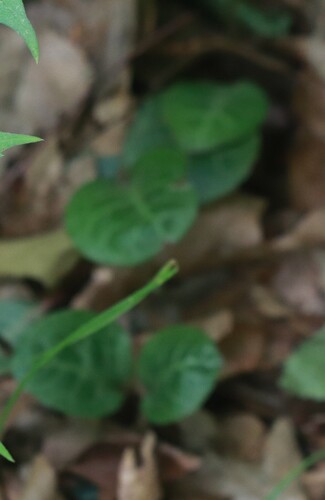
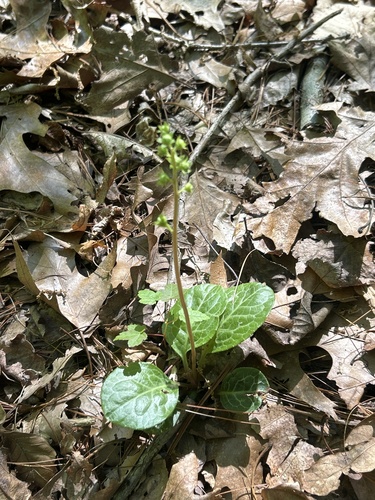
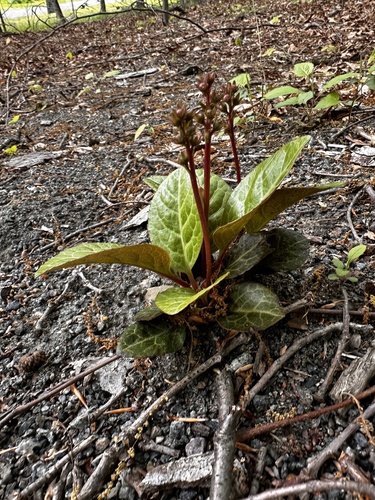
The American wintergreen has waxy, dark green evergreen leaves that contrast with its bright red berries in fall and winter. Its nodding, bell-shaped flowers are white to pinkish, clustered on a slender reddish stalk rising above the leaves.
Category
PlantsRarity
Common
Danger
1/5 · Very low
Snaps
27
Even after the snow falls, its shiny leaves peek through, adding a splash of green to the winter landscape!
Its bright red berries can stay on the plant all winter, offering a colorful snack for wildlife!
Native American tribes used its leaves to make medicinal teas for aches and pains.
The "wintergreen" flavor in many candies comes from a chemical found in this plant and its relatives!
American wintergreen has tough evergreen leaves that can photosynthesize all winter, helping it survive cold weather.
American wintergreen spreads with underground stems called rhizomes, allowing it to form new plants and colonize areas.
American wintergreen has chemicals that give it a unique wintergreen scent and flavor, which helps deter hungry herbivores.
American wintergreen partners with fungi in its roots to absorb nutrients, especially in poor forest soils.

Bonasa umbellus
Consumes berries, especially in winter.

Peromyscus leucopus
Feeds on seeds and berries.
Bombus impatiens
Visits flowers to collect nectar and pollen.
Rhizophagus irregularis
Forms beneficial partnership with plant roots.
Aromatic plants produce and emit fragrant volatile organic compounds, often for defense or to attract pollinators.
Flowering plants are any plants that produce flowers as part of their reproductive cycle.
Shade tolerant plants are adapted to grow and thrive in areas with low light levels, requiring less direct sunlight.
Summer blooming plants produce their flowers during the summer season, often providing vibrant color when many other plants have finished.

Evergreen plants retain their foliage throughout the year, never shedding all their leaves at once.

Fragrant flowers emit a pleasant aroma, often to attract pollinators or for defense.

Medicinal plants possess chemical compounds that can be used for therapeutic purposes to treat illnesses or maintain health.

Edible plants are those parts of a plant that are considered safe for human consumption.

Describes plants that are particularly attractive and beneficial to a wide range of pollinating organisms.

Forest habitats are terrestrial environments dominated by dense tree cover, supporting a high diversity of plant and animal life.
No aliases listed yet.
Danger
1/5 · Very low
Do not eat any plants without asking an adult, even if they look tasty.
The easiest way to identify American wintergreen is to use the Snappit nature identifier app.
5-15 cm
0.5-1.5 cm
Late spring to summer
Yes
Mild
Perennial
Insect
Zoom in to split clusters and explore where this object has been snapped.
Jun 6, 2026
East Windsor Hill Historic DistrictPhoto attribution
(c) Mark Apgar, some rights reserved (CC BY)
License: CC BY 4.0 ↗
Image may be shown cropped inside the card frame.
Jun 2, 2026
Wilton Center Historic DistrictPhoto attribution
no rights reserved
License: CC0 1.0 ↗
Image may be shown cropped inside the card frame.
May 14, 2026
Frelinghuysen ArboretumPhoto attribution
(c) gwt2102, some rights reserved (CC BY)
License: CC BY 4.0 ↗
Image may be shown cropped inside the card frame.
May 14, 2026
Frelinghuysen ArboretumPhoto attribution
(c) gwt2102, some rights reserved (CC BY)
License: CC BY 4.0 ↗
Image may be shown cropped inside the card frame.
Mar 23, 2026
South Mountain ReservationPhoto attribution
(c) Tom Pollard, some rights reserved (CC BY)
License: CC BY 4.0 ↗
Image may be shown cropped inside the card frame.
Connecticut, US
You might spot Eastern Skunk Cabbage and Eastern White Pine.
View guide →

Rhode Island, US
You might spot Spotted Lanternfly, Duck, and American Robin.
View guide →

Rhode Island, US
You might spot Spotted Lanternfly, American Robin, and Duck.
View guide →

Rhode Island, US
You might spot Spotted Lanternfly, American Robin, and Duck.
View guide →

Connecticut, US
You might spot Eastern Gray Squirrel, Dark-Eyed Junco, and House Sparrow.
View guide →

New Jersey, US
You might spot American Beech, Garlic Mustard, and Spotted Lanternfly.
View guide →
Take the discovery with you
Snap it with Snappit to identify it, learn what makes it special, and add the discovery to your collection.







.jpg&width=800)


_001.jpg&width=800)

