





Pandora Pinemoth
Coloradia pandora
The Pandora Pinemoth is a special moth that loves to live in pine trees. Its beautiful wings can be brown with hints of yellow, making it look like a tiny piece of nature's art!
Habitat: Forests
The Pandora Pinemoth has fuzzy grayish-brown forewings with dark wavy lines, contrasting with striking rosy-pink hindwings. Its large caterpillars are spiny, dark-bodied, and streaked with white or yellow stripes.
Category
InsectsRarity
Common
Danger
1/5 · Very low
Snaps
1
Adult Pandora Pinemoths don't have mouths and never eat anything at all!
Ancient tribes in North America used to collect and eat the nutritious caterpillars!
Their caterpillars have spiky hairs that can irritate your skin if you touch them!
These moths are sometimes so numerous they sound like falling rain in the forest!
Pandora Pinemoth can blend seamlessly with pine bark because of its mottled wings, helping them hide from predators during the day.
Pandora Pinemoth caterpillars can digest tough pine needles because they have specialized enzymes, giving them a unique food source.
Pandora Pinemoth can pause its development as a pupa for up to three years, allowing it to survive harsh conditions.
Caterpillars munch on pine needles, while adult moths do not eat, living off stored energy.
Age differences: Adult moths do not feed, relying solely on energy reserves accumulated during their caterpillar stage.
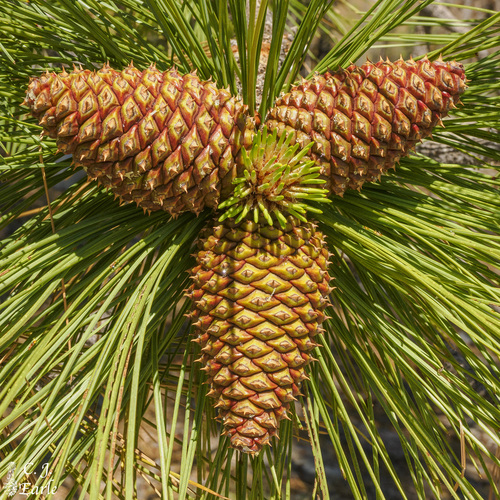
Pinus ponderosa
Caterpillars feed on its needles.

Pinus contorta
Another primary food source.
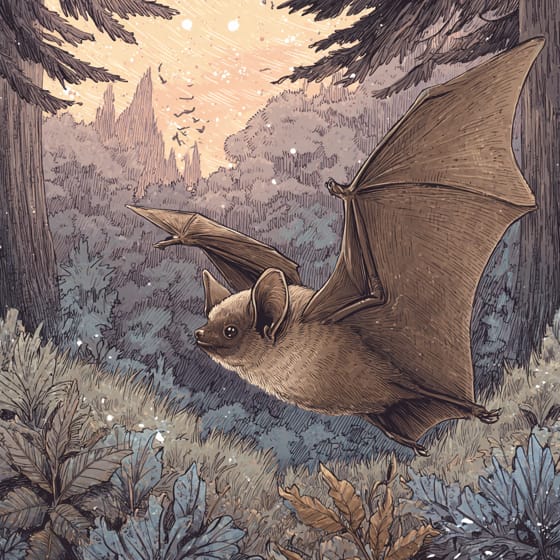
Myotis lucifugus
Nocturnal bats hunt adult moths.
Strix occidentalis
An avian predator of the moths.
Solitary animals live alone for most of their lives, only interacting with others for mating or parental care.
Camouflaged describes organisms that possess coloring or patterns that allow them to blend into their environment.
Colorful describes organisms or objects displaying a wide range of bright and distinct colors.
This trait characterizes organisms whose diet consists entirely or primarily of plant material.

Forest habitats are terrestrial environments dominated by dense tree cover, supporting a high diversity of plant and animal life.

Nocturnal animals are primarily active during the nighttime hours, typically resting or sleeping during the day.

Describes organisms that transfer pollen, enabling the fertilization and reproduction of plants.
No aliases listed yet.
Danger
1/5 · Very low
Moths are usually safe to watch, but it's best not to touch them.
The easiest way to identify Pandora Pinemoth is to use the Snappit nature identifier app.
75-85 mm
25-35 mm
7-14 days
Caterpillars munch on pine needles, while adult moths do not eat, living off stored energy.
Forests
Foraging
6
Zoom in to split clusters and explore where this object has been snapped.
Take the discovery with you
Snap it with Snappit to identify it, learn what makes it special, and add the discovery to your collection.









.jpg&width=800)


