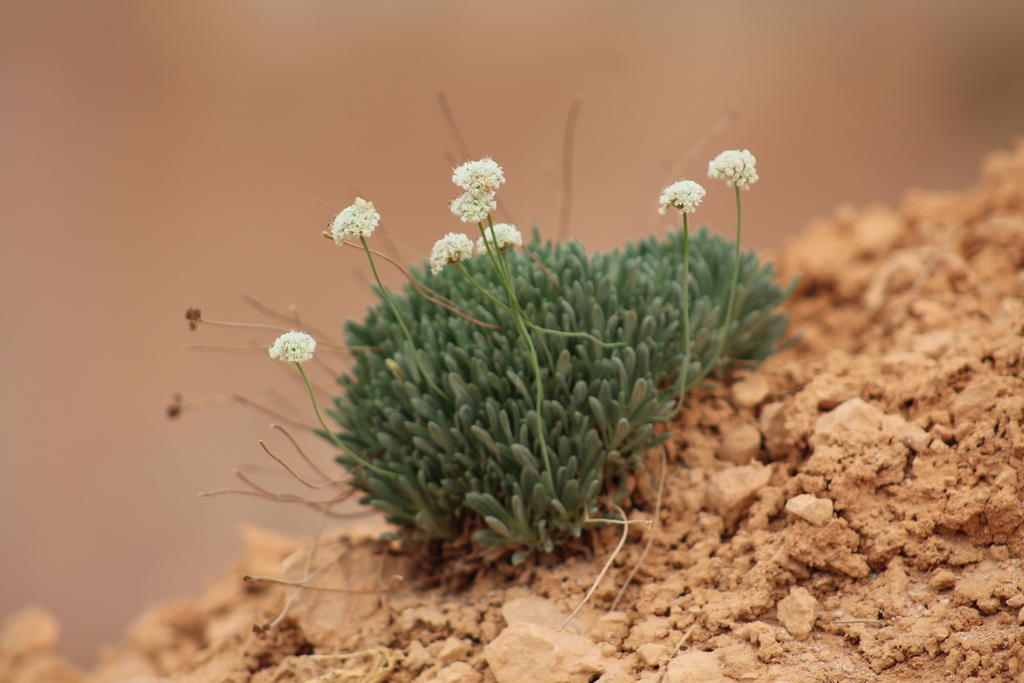





Panguitch Buckwheat
Eriogonum panguicense
Panguitch Buckwheat is a special plant that grows in Utah. It has pretty yellow flowers and is very important for the tiny animals that live nearby.
Habitat: Mountain regions
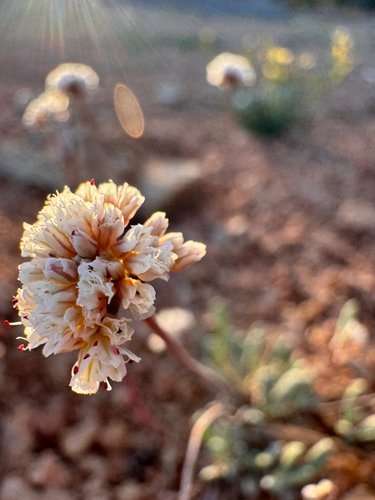
The Panguitch Buckwheat is a low-growing perennial plant forming dense mats close to the ground. Its small, clustered flowers are a bright sulfur-yellow, standing out against its fuzzy, silvery-green leaves. It often has a reddish tinge on its stems.
Category
PlantsRarity
Rare
Danger
1/5 · Very low
Snaps
1
Buckwheat isn't a true wheat, but it's related to rhubarb!
It only grows naturally on a few mountains in Utah, nowhere else!
Its tiny yellow flowers are actually groups of even tinier individual blossoms!
This plant is so rare, it's protected by the US government!
Panguitch Buckwheat can survive very dry conditions because its fuzzy leaves reduce water loss.
It has a special root system that helps it anchor securely in rocky, volcanic soils.
This plant grows in dense mats to protect its delicate shoots from strong winds and harsh sunlight.
Bombus bifarius
Buzzes among buckwheat flowers collecting nectar.
Lasioglossum vierecki
Tiny native bee active on many small wildflowers.
Apis mellifera
Gathers pollen and nectar from abundant yellow blooms.
Flowering plants are any plants that produce flowers as part of their reproductive cycle.
A shrub is a woody plant smaller than a tree, typically with multiple stems branching from or near the ground.
Colorful describes organisms or objects displaying a wide range of bright and distinct colors.
Describes plants that are particularly attractive and beneficial to a wide range of pollinating organisms.

This habitat trait identifies species found in mountainous regions, characterized by high elevation, steep slopes, and varying climate zones.

This trait signifies organisms belonging to a very old evolutionary group with ancestors dating back millions of years.

Describes a species whose presence and role have a disproportionately large effect on its environment.

Endangered status indicates a species is at a very high risk of extinction in the wild in the near future.
No aliases listed yet.
Danger
1/5 · Very low
Always look but don't touch plants unless you know they are safe!
The easiest way to identify Panguitch Buckwheat is to use the Snappit nature identifier app.
5-15 cm
10-30 cm
0.2-0.5 cm
Late Spring to Mid-Summer
No
None
Perennial
Zoom in to split clusters and explore where this object has been snapped.
Jun 16, 2026
Bryce Canyon Lodge Historic DistrictPhoto attribution
(c) Kenzie Anderson-Bell, some rights reserved (CC BY)
License: CC BY 4.0 ↗
Image may be shown cropped inside the card frame.

Utah, US
You might spot Common Golden-Mantled Ground Squirrel and Steller's Jay.
View guide →

Utah, US
You might spot Common Golden-Mantled Ground Squirrel and Steller's Jay.
View guide →
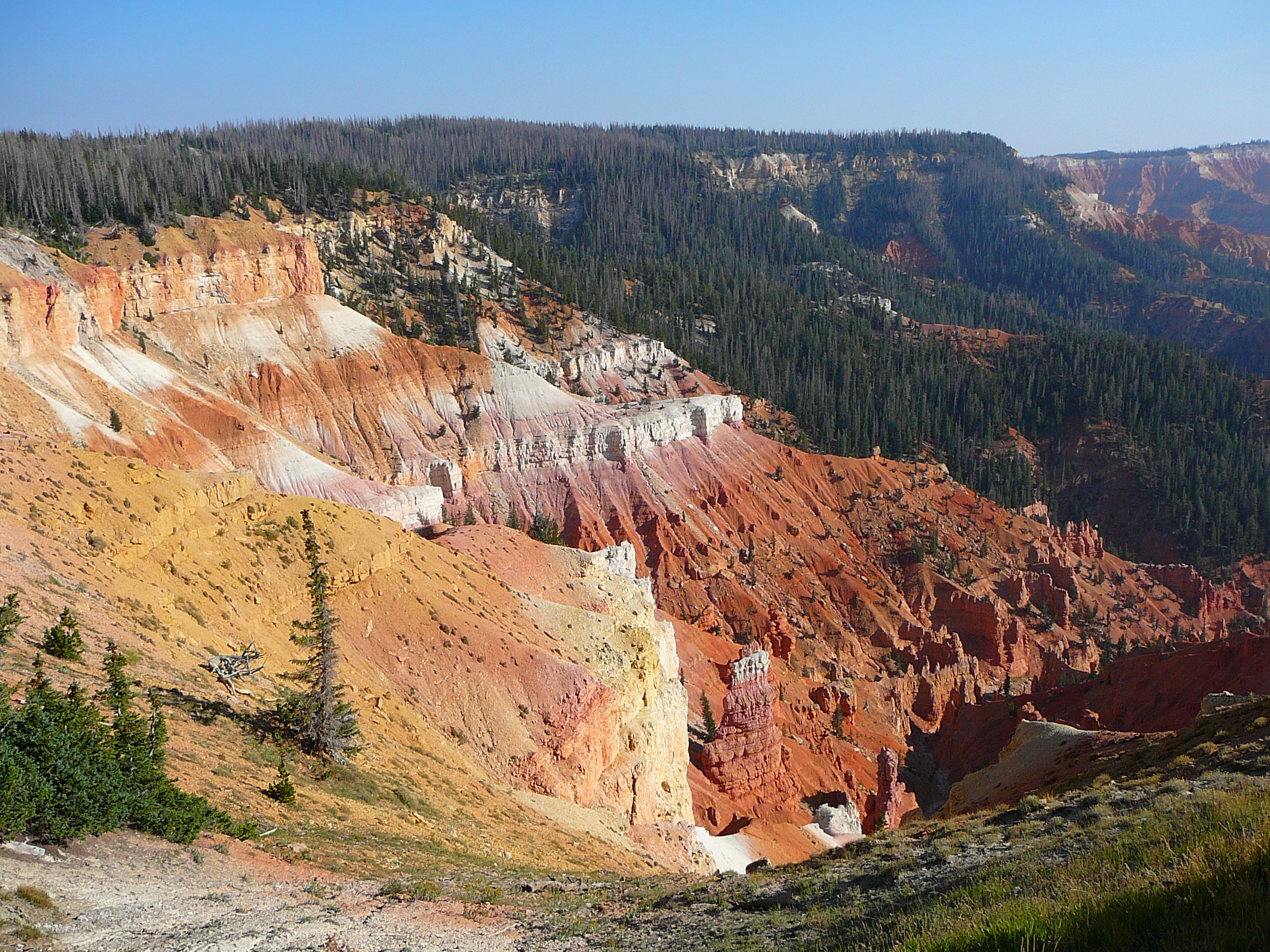
Utah, US
You might spot Great Basin Bristlecone Pine and Blue Columbine.
View guide →
Take the discovery with you
Snap it with Snappit to identify it, learn what makes it special, and add the discovery to your collection.









.jpg&width=800)



_001.jpg&width=800)




